EN
EN
 AR
AR
 BG
BG
 HR
HR
 CS
CS
 DA
DA
 NL
NL
 FI
FI
 FR
FR
 DE
DE
 EL
EL
 HI
HI
 IT
IT
 JA
JA
 KO
KO
 NO
NO
 PL
PL
 PT
PT
 RO
RO
 RU
RU
 ES
ES
 TL
TL
 IW
IW
 ID
ID
 LT
LT
 VI
VI
 TH
TH
 TR
TR
 AF
AF
 MS
MS
 KM
KM
 LO
LO
 MY
MY

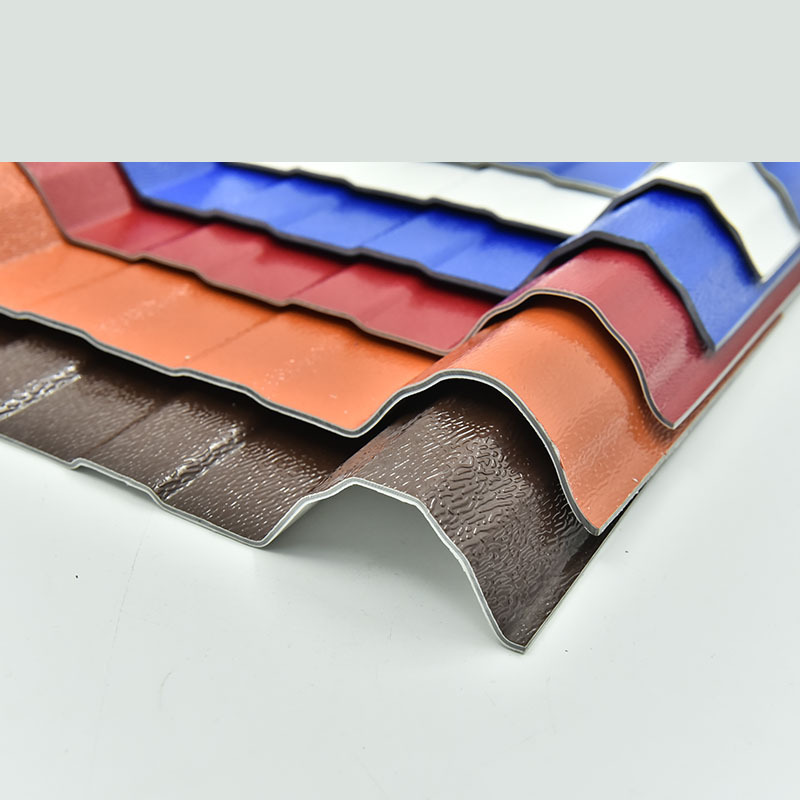
Why do UPVC roof sheets offer better sound insulation than metal roofs?
The Noise Problem Nobody Thinks About Until It Rains
A metal roof makes its presence known the moment a thunderstorm rolls through. Rain hammers the surface, hail sounds like gravel on a drum, and even light drizzle creates a steady background hiss. For warehouses, workshops, or residential extensions, that noise can become a daily annoyance.
A UPVC roof sheet behaves differently. The material itself is less rigid than steel or aluminum, which means it does not vibrate the same way under impact. Instead of amplifying the sound, it absorbs part of the energy and dampens the rest. The result is a lower, softer noise level during rain and hail.
This is not just about comfort. In a factory or farm building, excessive roof noise makes communication harder, stresses livestock, and can even mask equipment problems that would otherwise be caught early. Sound insulation is a functional requirement, not a luxury.
Why Material Density Alone Does Not Explain the Difference
People often assume denser materials block sound better. That logic works for walls, but roofs are different. A metal sheet is dense, yet it transmits impact noise very efficiently. The reason is stiffness. Thin steel or aluminum panels act like a diaphragm. When raindrops hit the surface, the sheet flexes slightly and radiates sound into the space below.
UPVC has a different mechanical profile. It is less stiff than metal and has a higher internal damping capacity. When a raindrop hits a UPVC roof sheet, the impact energy spreads through the polymer structure and dissipates as heat rather than becoming airborne noise. That is why two materials with similar thickness can sound completely different.
The table below compares typical acoustic behavior under rain impact based on field observations and material testing.
| Roof Material | Impact Noise Level | Vibration Response | Perceived Sound Character |
|---|---|---|---|
| Steel sheet | High | Strong, fast decay | Sharp, metallic |
| Aluminum sheet | High | Strong, fast decay | Sharp, slightly softer |
| UPVC roof sheet | Medium to low | Moderate, damped | Dull, muffled |
| Polycarbonate sheet | Medium | Moderate, damped | Dull but slightly brighter |
The Role of Profile Design and Installation Method
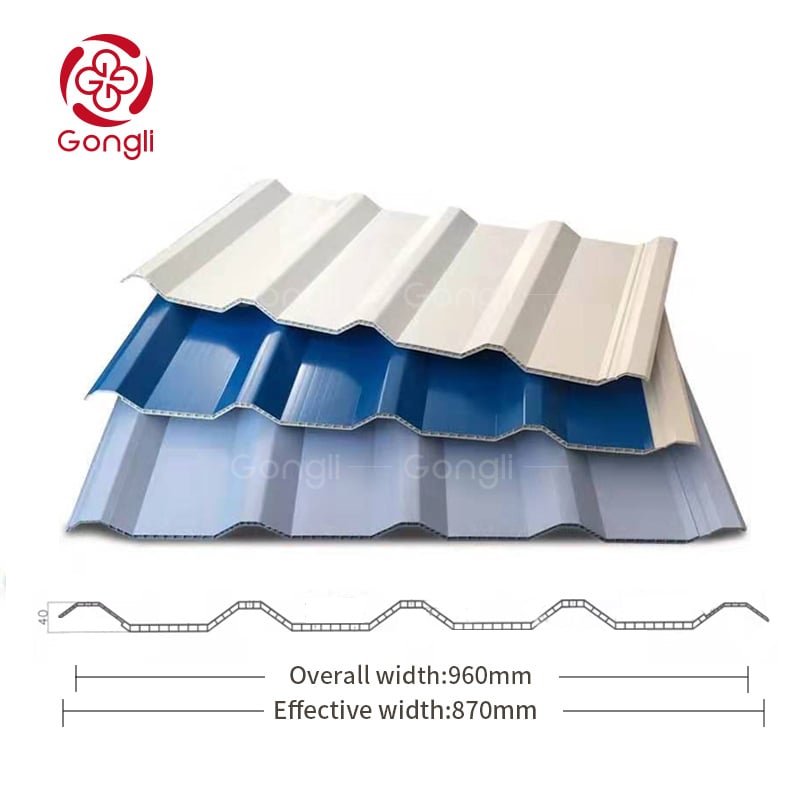
Material is only half the story. The profile shape and how the sheet is fixed also affect sound. Metal roofing often uses trapezoidal or corrugated profiles with large flat areas between ribs. Those flat sections act like speaker cones. UPVC sheets can be extruded with similar profiles, but the material damping reduces the speaker effect.
Installation makes another difference. Metal sheets expand and contract with temperature. If fastened too tightly, they buckle and rattle. If too loose, they flutter in wind. Both conditions create extra noise. UPVC also expands, but at a different rate and with more flexibility. Proper fastening with allowance for movement keeps the sheet quieter over time.
One renovation project at a poultry farm in Guangdong showed the practical impact. The original metal roof was replaced with UPVC sheets after the owner noticed birds becoming agitated during storms and egg production dropping. After the change, the noise during rain dropped enough that the flock stayed calmer. That kind of real world feedback matters more than lab numbers.
How Rain Noise Affects Different Building Uses
Not every building needs the same level of sound control. A storage shed with occasional foot traffic will tolerate more noise than a home office, a veterinary clinic, or a milk processing room. The use case should drive the material choice.
For residential carports and patios, metal roofs often produce a sharp echo that makes conversation difficult during rain. UPVC sheets reduce that echo, making the space more usable year-round. For commercial buildings, lower noise also means a less stressful environment for workers who spend long shifts under the roof.
Metal roofs can be quieted with insulation, but that adds cost and installation complexity. Insulation also introduces condensation risks if not detailed correctly. A UPVC roof sheet provides meaningful acoustic improvement without adding another layer to the roof assembly.
Temperature and Weather Effects on Acoustic Performance
Acoustic behavior changes with temperature. Metal panels expand in heat and contract in cold, which can loosen fasteners and create rattles. UV exposure degrades some coatings, making the surface more prone to vibration. UPVC materials also respond to temperature, but their damping properties remain more stable across normal outdoor conditions.
Wind noise is another factor. Metal roofs can hum or vibrate in strong wind if the panel span is too long or the fixing pattern is sparse. UPVC sheets have lower resonance, and their flexibility helps them absorb wind gusts instead of fighting them.
That said, UPVC is not always the quietest option in every situation. A heavily insulated metal roof can outperform an uninsulated UPVC roof. The comparison only holds when typical single-skin installations are considered. That distinction keeps the acoustic claim honest.
What to Look for When Comparing Roof Sheet Samples
Acoustic performance is hard to judge from a small sample. A better approach is to ask for a full-size test panel and simulate rain impact with a hose or a watering can. The difference becomes obvious within seconds. Pay attention to the tone as well as the volume. A dull, low thud is better than a sharp, ringing ping.
Also check the profile geometry, the fixing recommendations, and the expansion allowance. A supplier that provides clear installation guidance is more likely to deliver the expected acoustic result. Poor installation can make even the best material sound noisy.
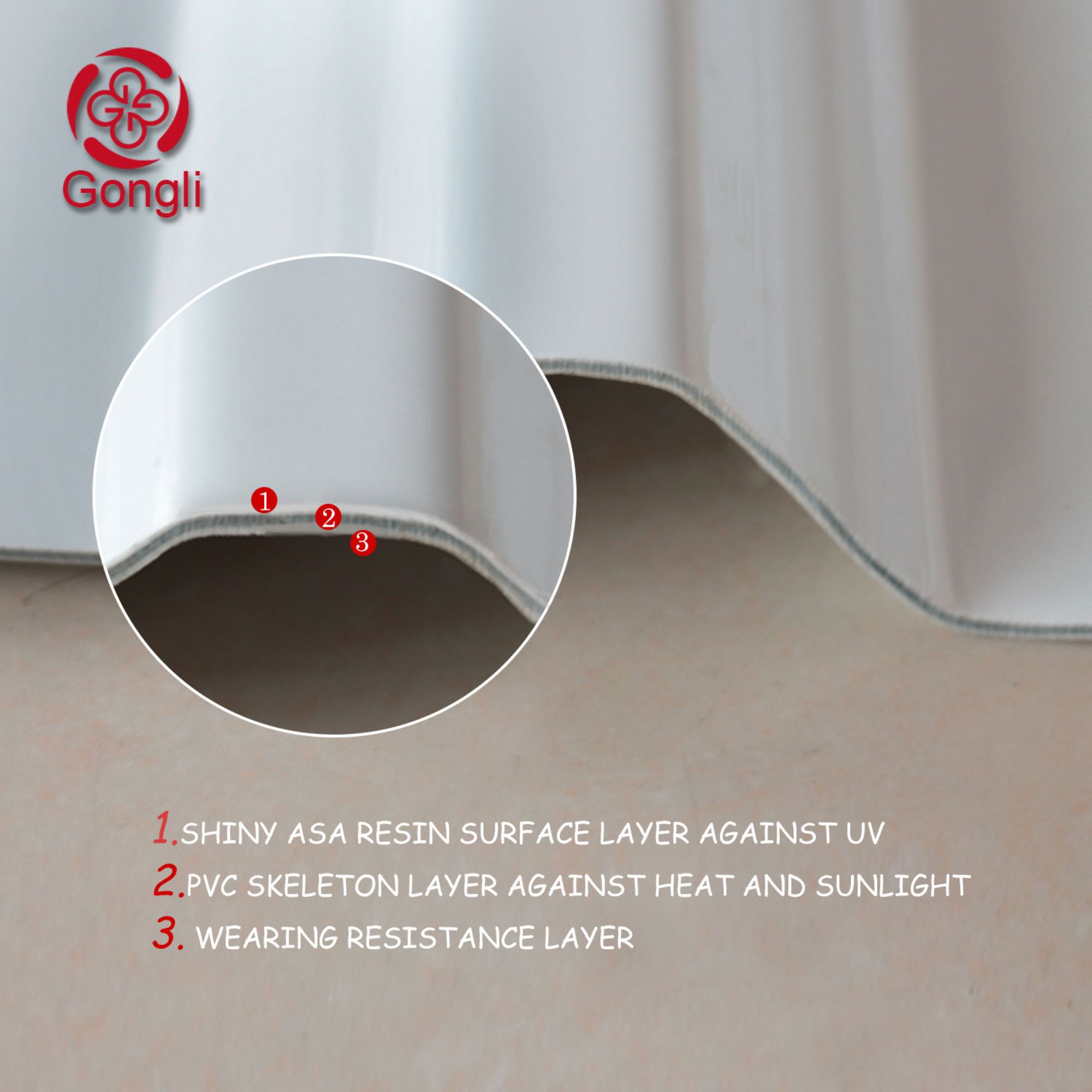
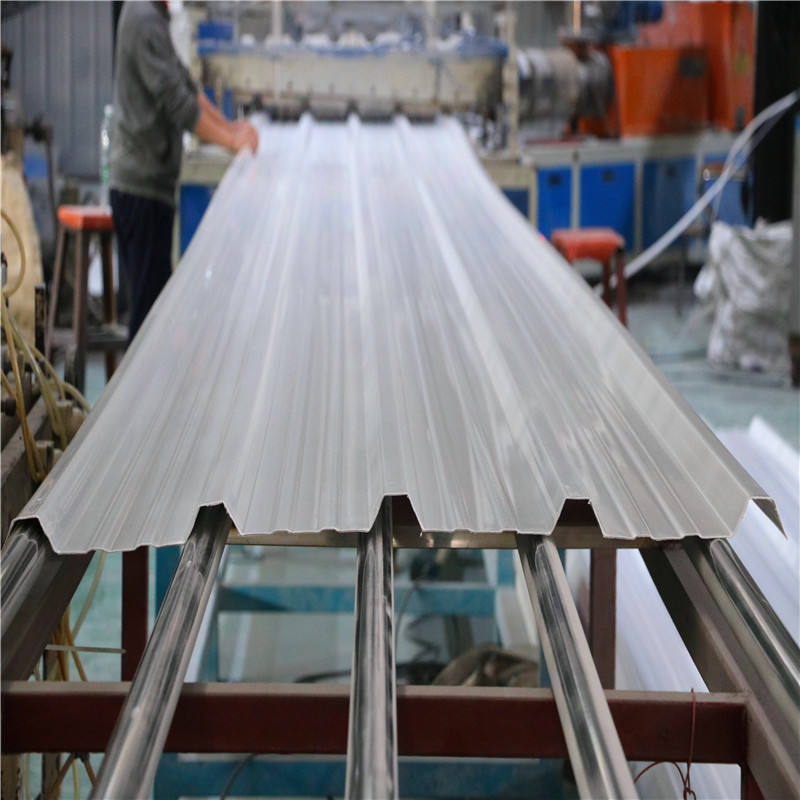
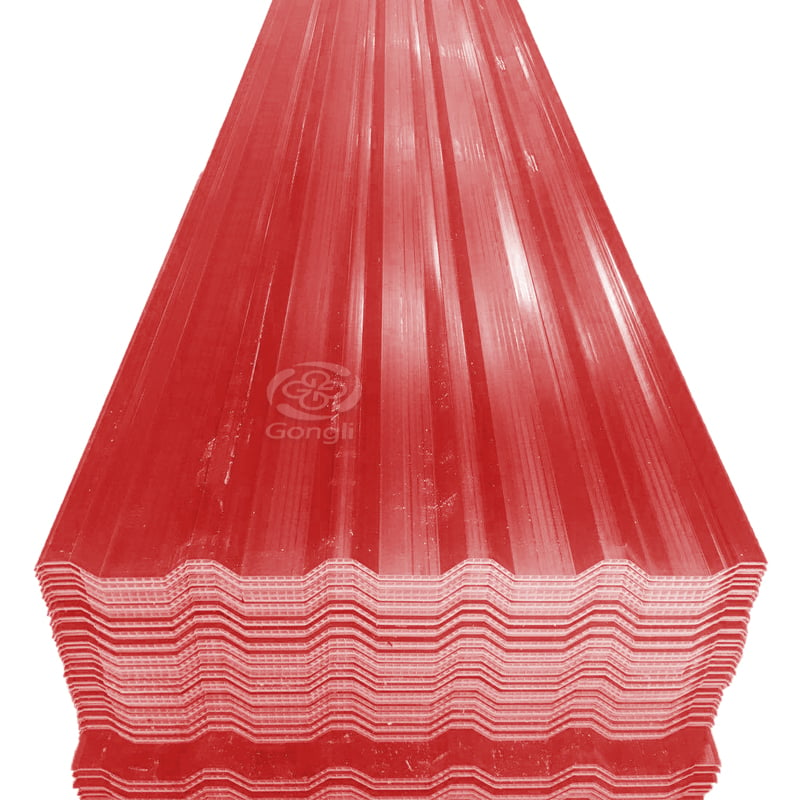
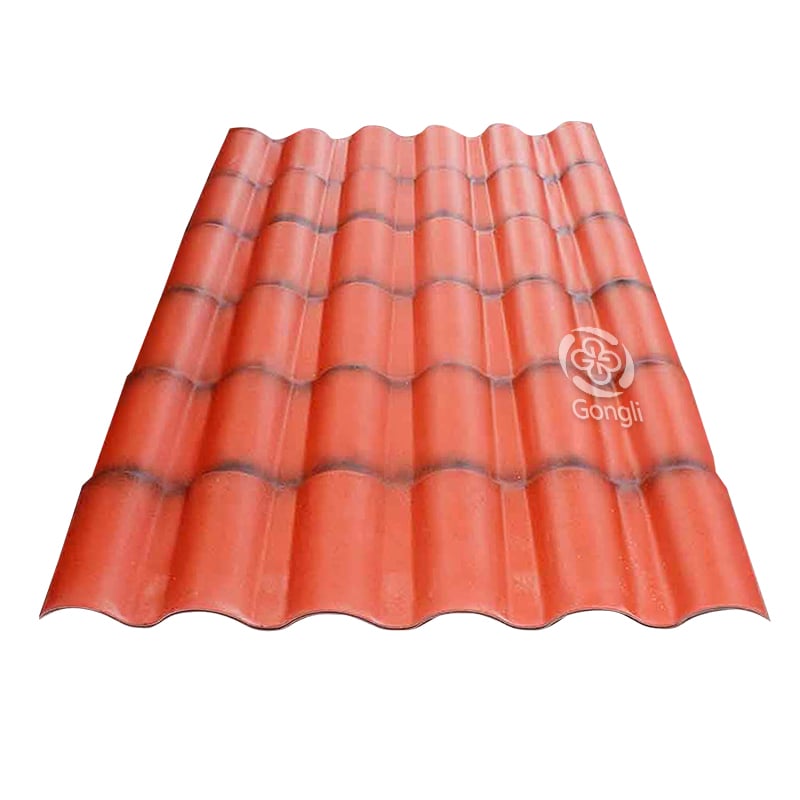
Gongli Building Materials produces UPVC roof sheets as part of a wider range of plastic roofing products. The company focuses on using new raw materials rather than recycled waste, which helps keep material consistency predictable. For projects where rain noise matters, that consistency translates into more reliable acoustic performance from batch to batch.
Recommended Products
Hot News
-
How to choose the right roof tile
2024-01-24
-
PVC Plastic Tiles: The Ideal Roofing Material
2024-01-24
-
The Essentials of Synthetic Resin Tile Manufacturing
2024-01-24