EN
EN
 AR
AR
 BG
BG
 HR
HR
 CS
CS
 DA
DA
 NL
NL
 FI
FI
 FR
FR
 DE
DE
 EL
EL
 HI
HI
 IT
IT
 JA
JA
 KO
KO
 NO
NO
 PL
PL
 PT
PT
 RO
RO
 RU
RU
 ES
ES
 TL
TL
 IW
IW
 ID
ID
 LT
LT
 VI
VI
 TH
TH
 TR
TR
 AF
AF
 MS
MS
 KM
KM
 LO
LO
 MY
MY

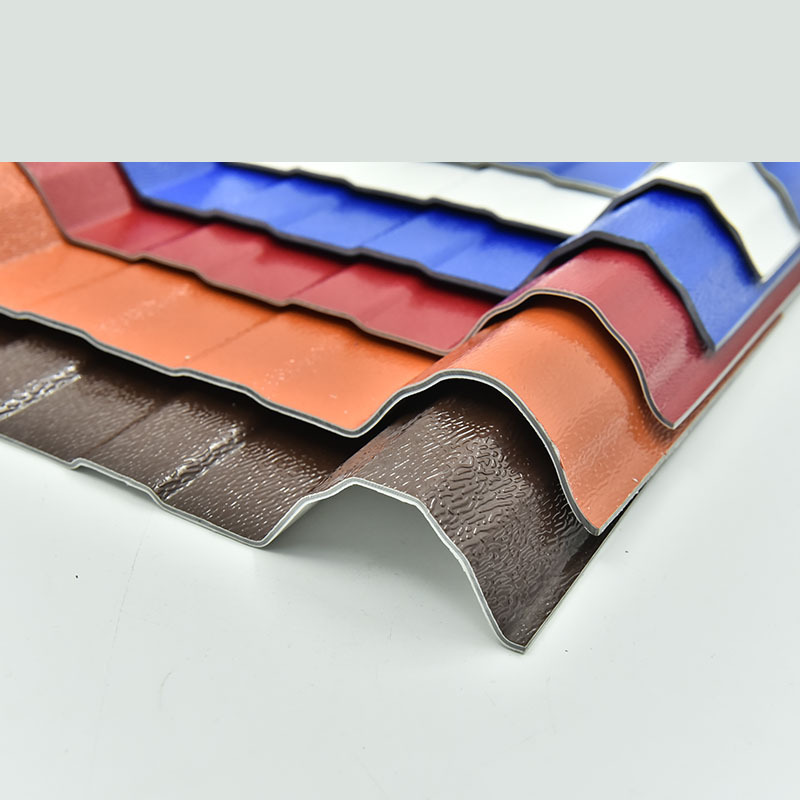
How to fix ASA roof sheet to ensure it stays secure during storms?
Why Storm Failures Usually Start at the Fasteners
A roof sheet rarely fails in the middle of the panel. Storm damage almost always begins at the fixing points. When an ASA roof sheet lifts, tears, or pulls away during high wind, the root cause is usually a fastener that was placed wrong, over-tightened, or specified without thinking about thermal movement.
ASA synthetic resin sheets are lighter and more flexible than metal roofing. That flexibility helps them survive impact and hail, but it also means wind can get under the edges more easily. The fixing system has to do two jobs at once. It must hold the sheet firmly against uplift forces, and it must allow the material to expand and contract without cracking around the screw holes.
Most installation problems come from copying metal roofing habits. A technique that works on steel does not automatically transfer to a polymer-based sheet. The hole size, the washer type, and the screw spacing all need to follow the material, not the installer's old routine.
Choosing the Right Fasteners and Washers
Fastener selection matters more than most people expect. Standard steel roofing screws with thin metal washers can chew into the surface of an ASA roof sheet under wind vibration. The hole elongates, the washer loosens, and water gets in. Over time, that small leak becomes a bigger structural problem.
A better setup uses screws with a broad load-spreading washer, usually combined with a flexible EPDM or neoprene seal. The washer distributes clamping force over a larger area. The seal keeps water out while still allowing slight movement. Stainless steel or coated screws resist corrosion, which matters in coastal or industrial environments.
The table below compares common fixing choices and how they perform on ASA sheets.
| Fixing Type | Load Distribution | Movement Allowance | Corrosion Risk | Suitability for ASA |
|---|---|---|---|---|
| Standard steel screw with small washer | Poor | Low | Moderate to high | Not recommended |
| Screw with broad EPDM washer | Good | Good | Low with coated shank | Recommended |
| Nail fixing | Poor | Very low | High | Not suitable |
| Screw with rigid plastic cap | Moderate | Low | Moderate | Acceptable for low wind zones |
| Bolt through pre-drilled oversized hole | Good | High | Depends on material | Good for high movement areas |
Pre-Drilling and Hole Sizing That Prevent Cracking
ASA sheets expand and contract with temperature. If a screw is driven straight through without a pre-drilled hole, the material around the fastener cannot move. The result is stress cracking that radiates outward from the fixing point. Once cracks form, wind gets under the sheet and starts working it loose.
Pre-drilling solves that problem. The hole should be slightly larger than the screw shank, typically a few millimeters wider, to give the sheet room to move. The exact oversize depends on the sheet length and the expected temperature range. Longer sheets need more allowance at the ends.
A common mistake is pre-drilling only in cold weather. The installer thinks the hole is big enough, then summer heat expands the sheet and the edges bind against the screws. The reverse happens in winter when holes drilled in hot conditions shrink the gap. Checking the manufacturer's expansion table before drilling avoids that seasonal trap.
Screw Spacing and Edge Distance Under Wind Load
Wind does not press evenly across a roof. The edges, ridges, and corners experience much higher uplift than the middle. Those zones need closer screw spacing. A sheet that is fixed perfectly in the center but sparsely at the eaves will still fail when a storm hits from the wrong direction.
Recommended spacing varies by region, but a practical starting point is tighter spacing near edges and overlaps, with wider spacing in the central field. Edge distance also matters. Screws placed too close to the sheet edge can pull through under load. Leaving enough margin keeps the fixing point strong.
Roof pitch changes the wind profile too. Low-pitch roofs see more suction across the whole surface. Steeper roofs concentrate force along the windward edge. Installers should adjust the fixing pattern based on the actual roof geometry, not a one-size-fits-all layout.
A Coastal Project That Showed the Cost of Small Mistakes
A beachfront café in southern China replaced its old metal awning with ASA sheets. The installation looked clean, but the contractor used standard roofing screws with narrow washers and drove them directly through the sheets without pre-drilling. The first typhoon season caused visible cracks around several fixings.
Water seeped through those cracks and stained the ceiling inside. The repair involved removing every sheet, pre-drilling proper oversized holes, and reinstalling with EPDM-sealed screws. The second season passed without any failures. The total repair cost was nearly as much as the original installation.
That case highlights a simple truth. The difference between a storm-proof ASA roof sheet installation and a vulnerable one is not the sheet quality. It is the discipline of the fixing details.
Why Following the Manufacturer's Fixing Pattern Matters
Every ASA sheet product has a recommended fixing pattern based on its profile, thickness, and wind test data. Those recommendations are not generic suggestions. They reflect the uplift resistance of the material and the movement allowance built into the design.
Skipping the pattern to save a few screws is a false economy. A missing fastener in a high-uplift zone can start a progressive failure. Once one screw pulls through, the load transfers to the neighboring fixings. They fail next, and the tear spreads across the panel.
Gongli Building Materials produces ASA roof sheets as part of its plastic roofing range. The company provides installation guidance based on its own production standards and material behavior. For projects in storm-prone areas, working with a supplier that understands how its sheets behave under wind load helps avoid the kind of fixing errors that show up after the first strong weather event.
Recommended Products
Hot News
-
How to choose the right roof tile
2024-01-24
-
PVC Plastic Tiles: The Ideal Roofing Material
2024-01-24
-
The Essentials of Synthetic Resin Tile Manufacturing
2024-01-24