EN
EN
 AR
AR
 BG
BG
 HR
HR
 CS
CS
 DA
DA
 NL
NL
 FI
FI
 FR
FR
 DE
DE
 EL
EL
 HI
HI
 IT
IT
 JA
JA
 KO
KO
 NO
NO
 PL
PL
 PT
PT
 RO
RO
 RU
RU
 ES
ES
 TL
TL
 IW
IW
 ID
ID
 LT
LT
 VI
VI
 TH
TH
 TR
TR
 AF
AF
 MS
MS
 KM
KM
 LO
LO
 MY
MY

How to choose between UPVC roof sheet and fiber cement roofing?
Material Composition and Fundamental Differences
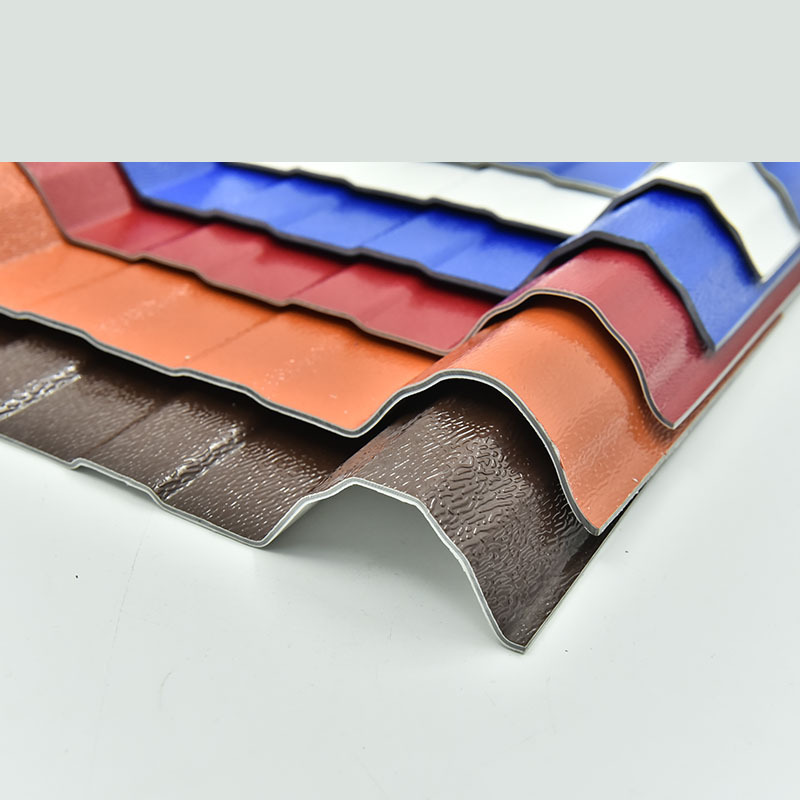
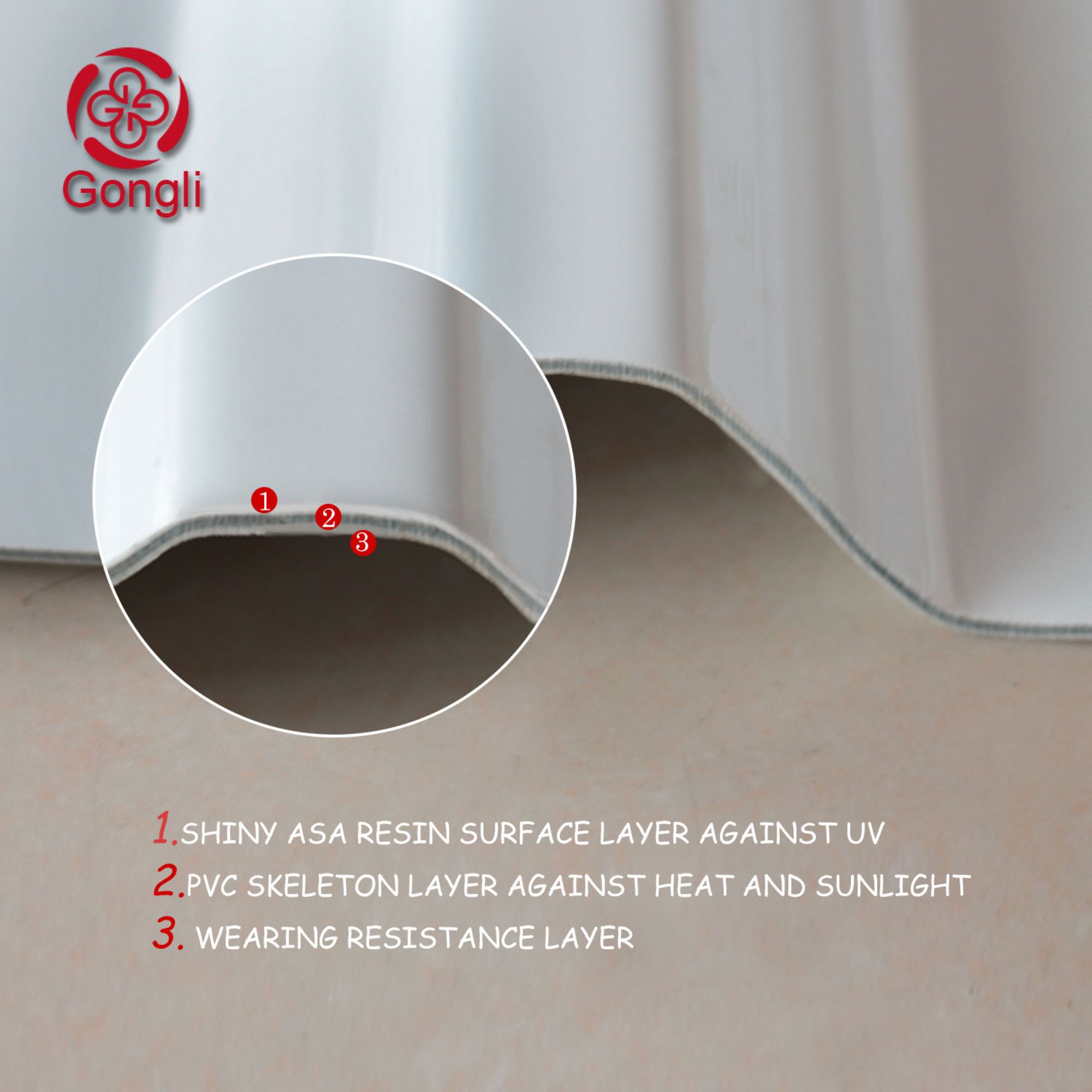
Understanding what each roofing product is made of reveals the core reasons behind their performance. UPVC, or unplasticized polyvinyl chloride, is a rigid polymer engineered with UV stabilizers, impact modifiers and titanium dioxide to resist long term sunlight degradation. Since no plasticizers are added, the sheet remains tough and does not become brittle over time. Fiber cement, in contrast, combines Portland cement, cellulose fibers, sand and water into a composite board. The fundamental difference is that UPVC has a closed cell, non porous surface that is inherently waterproof, while fiber cement is a cementitious product that will naturally absorb moisture unless its protective coating stays perfectly intact. Polymer engineers frequently highlight this closed cell structure as the primary reason UPVC does not experience the internal moisture damage that can plague cement based sheets. Builders who have worked with both materials also immediately notice the weight difference: a standard UPVC corrugated sheet generally weighs roughly half or even less than a comparable fiber cement board. That lighter weight changes everything from how the material is transported to how the roof structure is designed.
Proven Performance Under Storm and Weather Stress
Field observations from tropical, coastal and storm prone regions consistently show how these materials hold up in practice. Fiber cement roofs often begin to develop moss, edge fraying or surface softening after repeated wet dry cycles, especially in high humidity environments, because even factory applied coatings can microscopically crack over time and let moisture in. UPVC sheets, by comparison, have a track record of staying intact during severe wind events. The material flexes under wind uplift rather than cracking, which is a critical advantage in cyclone and hurricane zones. Engineering specifications commonly reference established product standards such as ASTM D4434 for PVC roofing sheets, which requires passing specific impact resistance and wind uplift tests. This is not just a laboratory formality; project managers working in hail prone inland areas report that UPVC roofing typically survives impact events with only superficial marks, whereas brittle cement boards often sustain fractures and need complete panel replacement. Those performance differences are supported by weathering chamber data showing that high quality UPVC maintains its color and surface gloss far longer than uncoated fiber cement, which tends to chalk and lose its surface layer after extended UV exposure.
Installation Efficiency and Site Safety
Lightweight roofing panels transform the entire construction sequence on site. A small crew can carry UPVC sheets onto a roof without mechanical lifting equipment, and the material can be cut with standard woodworking saws or tin snips. There is no silica dust generated during cutting, which means no mandatory respiratory protection requirements specifically for airborne crystalline silica during that task. Fiber cement presents a completely different picture. Cutting fiber cement releases respirable crystalline silica, classified as a serious health hazard by occupational safety authorities globally. To comply with safety regulations, crews must set up dust extraction systems, wear appropriate respirators and follow controlled disposal procedures. That adds both time and cost to what should be a straightforward roofing installation. Additionally, because fiber cement boards are substantially heavier, roof purlins and support beams often need to be upsized, which can significantly increase the overall steel weight of the structure. UPVC can be fixed directly to timber or steel purlins with standard fasteners and neoprene washers, and thermal movement is easily handled by following standard slotting recommendations. The outcome is a faster, cleaner and safer installation with fewer compliance headaches.
Long Term Maintenance Realities
A roof should perform for years without becoming a recurring maintenance liability. UPVC roof sheets typically keep themselves clean with normal rainfall. The smooth surface resists algae and fungal growth, and because the color runs consistently through the thickness of the material, scuffs or scratches do not reveal a different colored substrate. Fiber cement is different. Its surface coating, whether applied in the factory or on site, will degrade under ultraviolet radiation. Hairline cracks can develop, allowing moisture to penetrate the board and leading to progressive damage such as freeze thaw spalling in cooler regions. A regular repainting schedule is usually necessary to keep the warranty valid, and skipping that cycle often results in denied claims. Facility managers who track operating costs across multiple properties have found that cumulative recoating expenses for a fiber cement roof can approach a substantial percentage of the original material investment within a decade. When you run the numbers over a 20 year window, the nearly zero maintenance profile of UPVC shifts the lifecycle cost equation decisively in its favor, freeing up operational budgets for other priorities.
Health, Safety and Environmental Credentials
Specifiers today are increasingly evaluated on the sustainability and health characteristics of the materials they choose. UPVC roofing sheets can be fully recycled at the end of their service life, and many extrusion factories operate closed loop systems that reprocess offcuts and post consumer material back into production. The manufacturing process is relatively energy efficient because polymer extrusion operates at moderate temperatures, roughly 180 to 200 degrees Celsius. Cement manufacturing, in contrast, requires clinker burning at temperatures around 1450 degrees Celsius, a process that releases significant carbon dioxide both from fuel combustion and from the calcination of limestone itself. From an occupational health perspective, the absence of respirable silica in UPVC means zero risk of silicosis for the installation team. Environmental building certifications such as LEED and BREEAM include credit pathways related to material lifecycle transparency, construction phase indoor air quality and waste management that a UPVC roof system can positively contribute toward. Corporate tenants are increasingly flagging these factors in lease negotiations, making the choice of roofing material part of a broader asset strategy rather than a simple cost comparison.
Manufacturing Consistency and Supply Chain Confidence
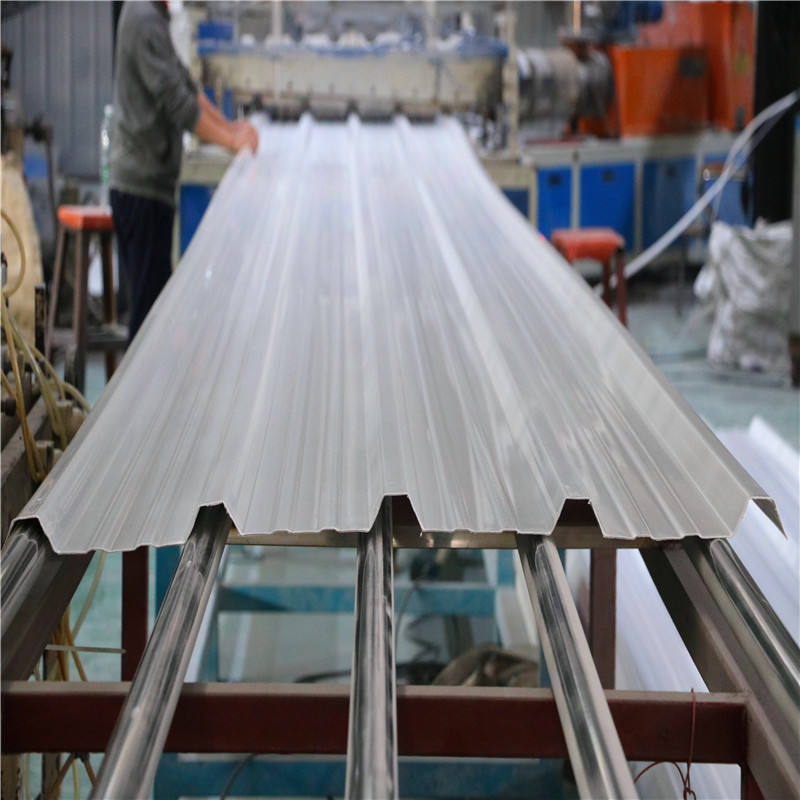
Even a high performing material specification becomes unreliable if quality varies between production batches or shipments arrive late. Working directly with a focused manufacturer like Gongli removes much of that risk from the project equation. Gongli runs dedicated UPVC and ASA coextrusion lines under an ISO 9001 certified quality management system, which means every pallet of roofing sheet can be traced back to its raw material batch and processing parameters. The company's in house color matching capability ensures that specific RAL shades remain consistent across seasonal production runs, a detail that matters greatly on large scale commercial projects where roof color must appear completely uniform. Beyond the factory, Gongli’s logistics operation covers container consolidation, customs documentation and coordinated delivery to project sites across more than 30 countries, ensuring that material arrives when the erection crew is scheduled to begin. That kind of manufacturing discipline and supply chain reliability transforms a product purchase into a professional partnership that directly safeguards construction timelines. When you pair a roofing material with proven long term field performance alongside a manufacturer that treats every order with precision, the decision between UPVC and fiber cement becomes far clearer than any specification table alone can express.
Recommended Products
Hot News
-
How to choose the right roof tile
2024-01-24
-
PVC Plastic Tiles: The Ideal Roofing Material
2024-01-24
-
The Essentials of Synthetic Resin Tile Manufacturing
2024-01-24