EN
EN
 AR
AR
 BG
BG
 HR
HR
 CS
CS
 DA
DA
 NL
NL
 FI
FI
 FR
FR
 DE
DE
 EL
EL
 HI
HI
 IT
IT
 JA
JA
 KO
KO
 NO
NO
 PL
PL
 PT
PT
 RO
RO
 RU
RU
 ES
ES
 TL
TL
 IW
IW
 ID
ID
 LT
LT
 VI
VI
 TH
TH
 TR
TR
 AF
AF
 MS
MS
 KM
KM
 LO
LO
 MY
MY

Why do ASA roof sheets have superior impact resistance compared to other plastics?
The Layered Structure Behind the Toughness
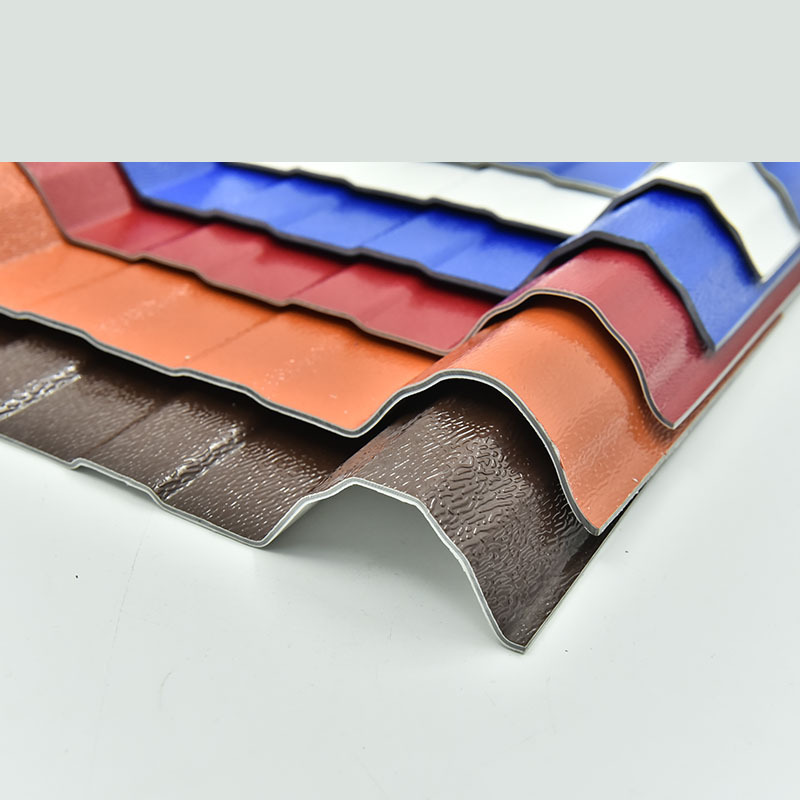
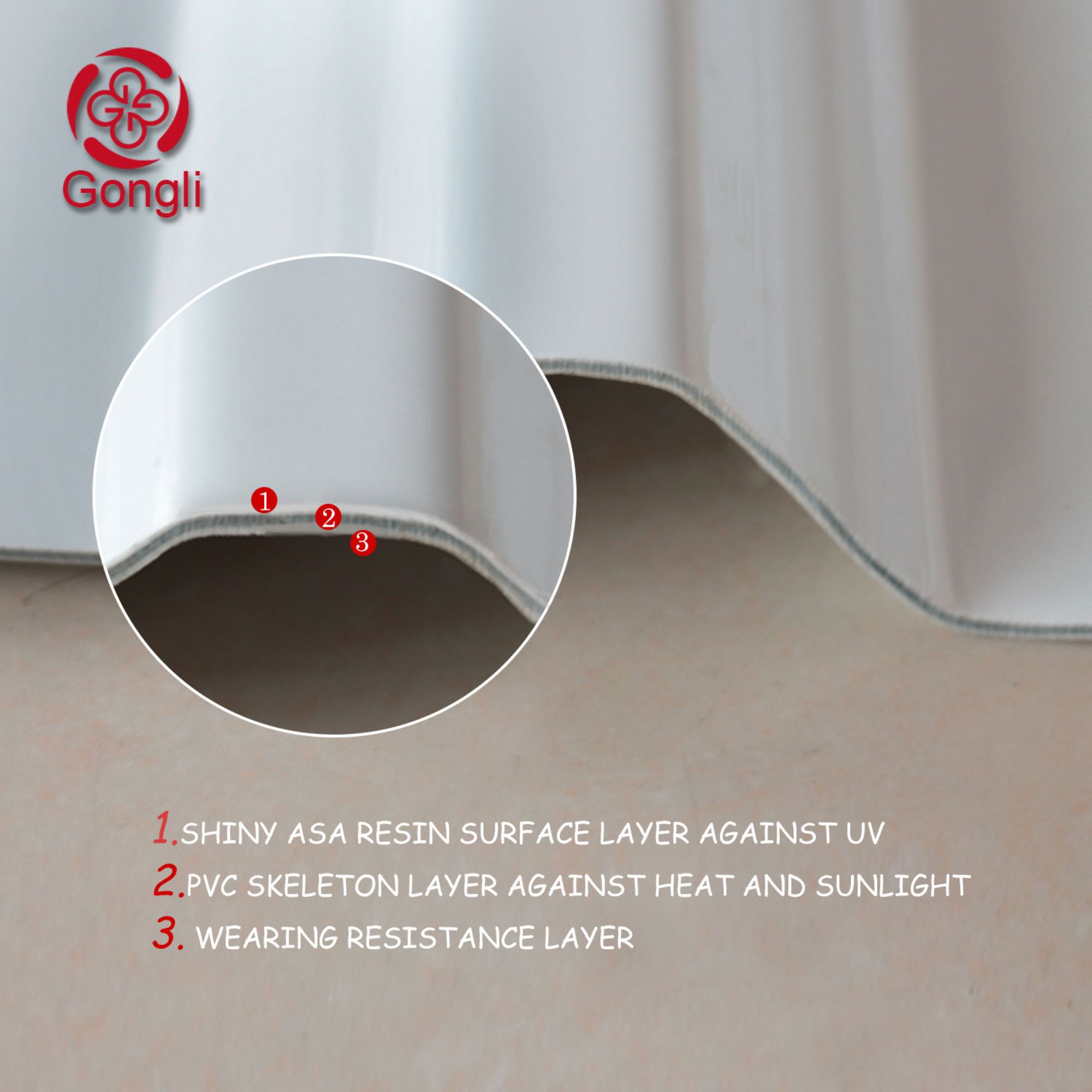
Impact resistance in roofing comes down to how a material absorbs and distributes energy. An ASA roof sheet handles this through a co-extruded structure that separates the job into two parts. The PVC substrate provides bulk strength and energy absorption, while the ASA cap layer handles UV stability and surface protection. When a falling object or hailstones strike the surface, the energy does not concentrate at a single point. The PVC core deforms slightly and spreads the load across a wider area, then recovers. This is fundamentally different from a thin, homogeneous plastic sheet, which tends to crack once the local stress exceeds its limit. The co-extrusion process bonds the layers at the molecular level, so there is no weak interface where delamination can start.
Why the PVC Core Absorbs Energy So Well
PVC has an inherently high notched impact strength compared to many other commodity plastics. Its molecular chain structure allows it to yield and deform under load rather than shatter. That property is why PVC is used in pipes, window profiles, and industrial ducting where mechanical abuse is expected. In an ASA roof sheet, the PVC core is formulated and processed to maximize this behavior. The extrusion temperature profile, cooling rate, and stabilizer package all influence how the final sheet responds to impact. A sheet that is cooled too quickly can develop internal stresses that make it brittle. A sheet processed correctly stays tough across a wide temperature range, which matters because roofing has to perform in both summer heat and winter cold.
The ASA Cap Layer and Its Role in Weather Resistance
The ASA layer does not primarily provide impact strength. Its job is to protect the PVC underneath from UV degradation. That distinction is important because UV damage is one of the main reasons plastic roofing becomes brittle over time. When UV rays break down polymer chains in unprotected PVC, the sheet loses flexibility and becomes prone to cracking under impact. The ASA cap absorbs UV radiation and shields the core. A roof that stays flexible stays impact resistant. This is why the thickness and quality of the ASA layer matter. A thin or recycled ASA layer may look fine initially but will allow UV to reach the PVC sooner, and the impact performance will degrade faster than expected. Field studies on plastic roofing in tropical climates have shown that unprotected PVC can lose a significant portion of its impact strength within a few years, while properly capped sheets retain much more of it.
Comparing Impact Behavior Across Common Roofing Plastics
Different plastics behave very differently under impact, and the numbers help explain why material choice matters. The table below compares typical impact performance and related properties.
| Material | Notched Izod Impact (J/m) | UV Resistance | Thermal Expansion | Relative Cost |
|---|---|---|---|---|
| ASA capped PVC | 80 to 150 | Excellent | Moderate | Medium |
| Plain PVC | 60 to 120 | Poor | Moderate | Low |
| Polycarbonate | 600 to 900 | Good | High | High |
| FRP | 40 to 80 | Moderate | Low | Medium |
| Acrylic | 15 to 25 | Excellent | Moderate | Medium |
These figures come from general polymer property references and vary with formulation and thickness. Polycarbonate has higher raw impact numbers, but it costs more and expands more with heat. FRP can be brittle and tends to crack rather than deform. Acrylic is UV stable but has poor impact resistance. The ASA roof sheet sits in a practical middle ground where impact performance, UV stability, and cost are balanced.
A Field Case Where Impact Resistance Mattered
Impact resistance is not an abstract property. It shows up in real projects. During a warehouse expansion in a coastal province of southern China, the construction team installed several types of roofing on different sections to compare performance. The area experiences frequent hail during the summer monsoon season. After two hail events in the first year, the plain PVC sections showed visible cracking and chipping, while the ASA capped sections showed only minor surface marks. The FRP panels in another section developed star cracks around fastener points. The project engineer noted that the ASA sections had been installed with the same fastening pattern and purlin spacing as the others, so the difference was in the material, not the installation. That kind of side by side comparison is more convincing than a lab report for most project teams.
Where Impact Resistance Has Limits
Honesty matters here. ASA roof sheets are tough, but they are not indestructible. Very large hail, falling tree limbs, or direct impact from heavy equipment can still cause damage. The material performs best against small to medium impact events, the kind that occur regularly over a roof's service life. Impact resistance also depends on temperature. In extreme cold, all plastics become somewhat more brittle, and PVC is no exception. Installation in cold weather requires more care to avoid cracking at fastener points. Purlin spacing also matters. A sheet supported at wider intervals will flex more under impact, which can concentrate stress at the fastening points. Specifying the correct thickness and purlin spacing for the expected load conditions is what makes the impact resistance actually deliver.
What Manufacturing Discipline Contributes
The impact performance of an ASA roof sheet depends heavily on raw material quality and process control. Using recycled PVC or reclaimed ASA may reduce cost, but it also introduces contaminants and inconsistent molecular weight that undermine impact strength. Guangdong Gongli Building Materials has built its production around imported brand new raw materials and refuses to use recycled waste. That policy is not just about environmental positioning. It directly affects how the finished sheet performs under impact, because consistent raw material means consistent molecular structure and predictable energy absorption. For buyers who need roofing that holds up in hail prone or high abuse environments, that material discipline is the foundation the whole product rests on.
Recommended Products
Hot News
-
How to choose the right roof tile
2024-01-24
-
PVC Plastic Tiles: The Ideal Roofing Material
2024-01-24
-
The Essentials of Synthetic Resin Tile Manufacturing
2024-01-24