EN
EN
 AR
AR
 BG
BG
 HR
HR
 CS
CS
 DA
DA
 NL
NL
 FI
FI
 FR
FR
 DE
DE
 EL
EL
 HI
HI
 IT
IT
 JA
JA
 KO
KO
 NO
NO
 PL
PL
 PT
PT
 RO
RO
 RU
RU
 ES
ES
 TL
TL
 IW
IW
 ID
ID
 LT
LT
 VI
VI
 TH
TH
 TR
TR
 AF
AF
 MS
MS
 KM
KM
 LO
LO
 MY
MY

What are the available sizes and profiles of ASA roof sheet?
Understanding What ASA Roof Sheet Actually Is
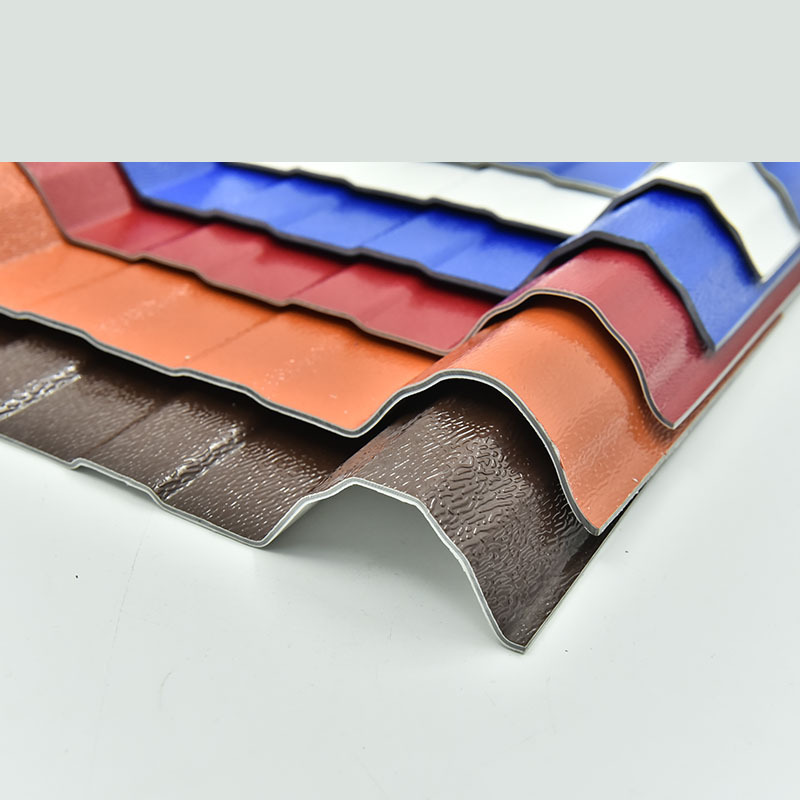
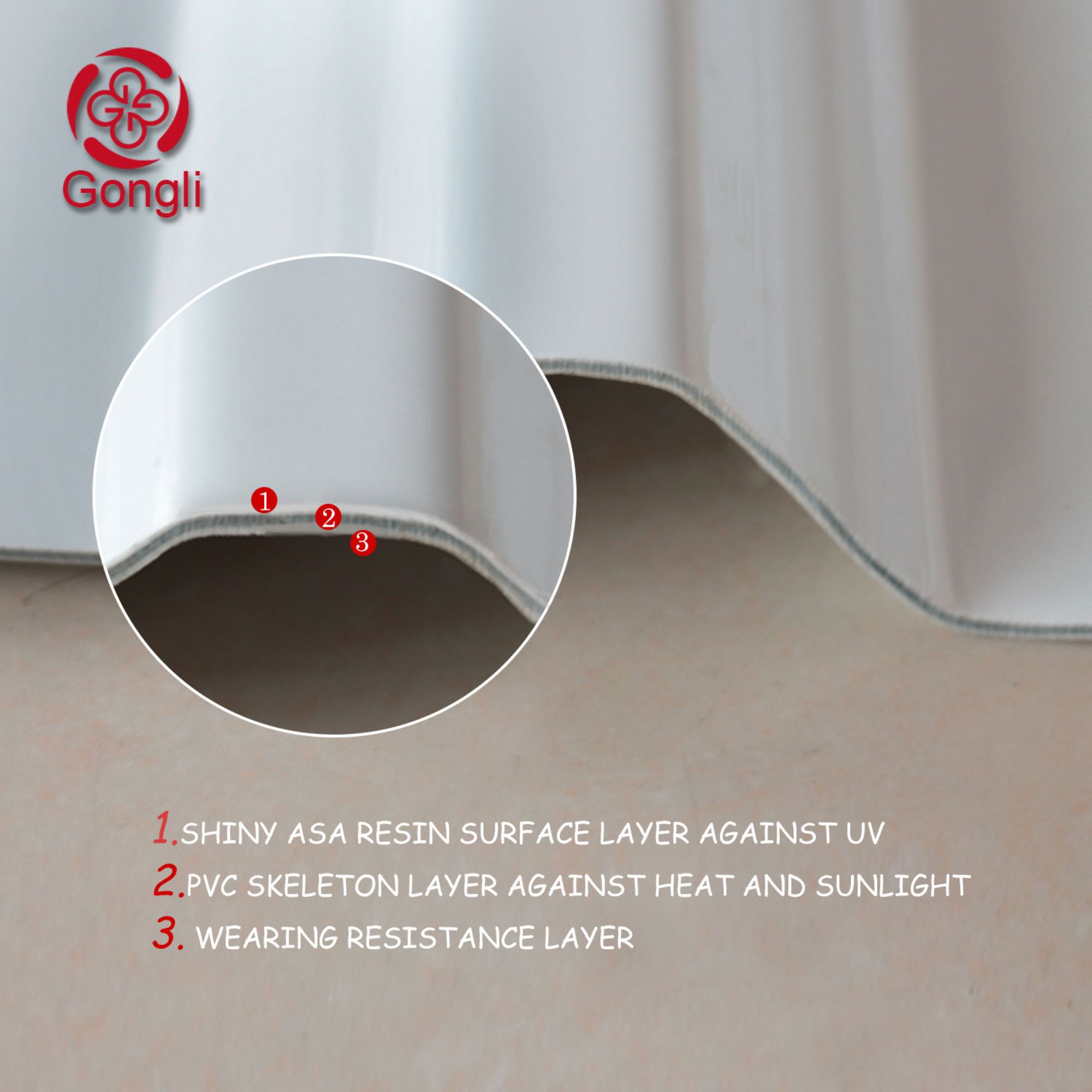
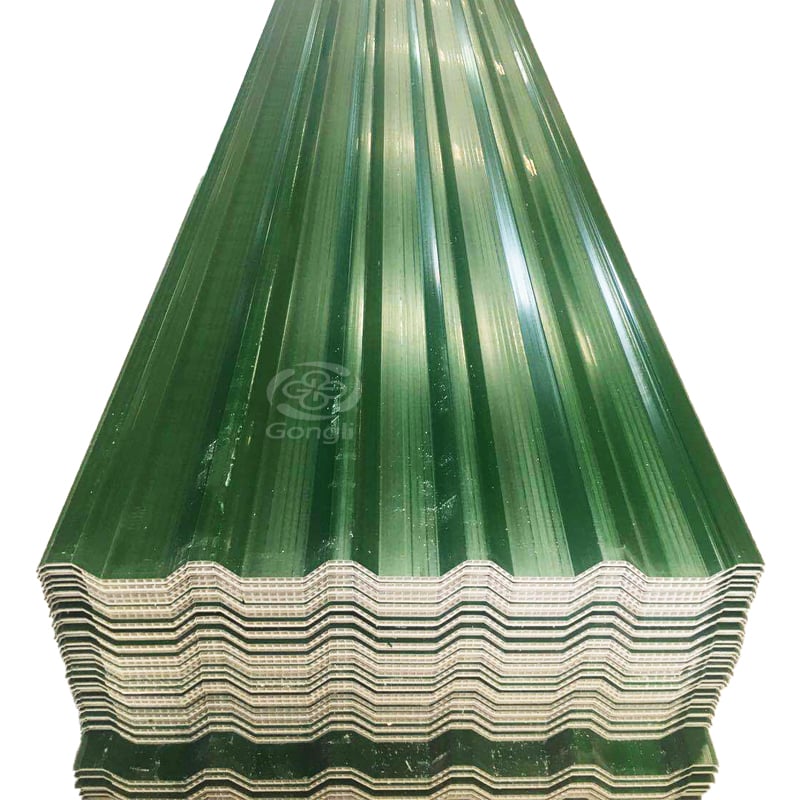
Before getting into sizes and profiles, it helps to be clear on what this material is. An ASA roof sheet is a co-extruded product with a PVC-based substrate and an ASA (acrylonitrile styrene acrylate) top layer that handles UV exposure and weather resistance. The ASA layer is what keeps the color from fading and protects the underlying PVC from embrittlement. The substrate provides the structural strength and impact toughness. This layered construction is why the material performs differently from plain PVC sheets and why the profile options matter for how the sheets interlock and shed water. The co-extrusion process fuses the layers together, so the ASA skin is not a coating that can peel off.
Common Total Widths and Effective Coverages
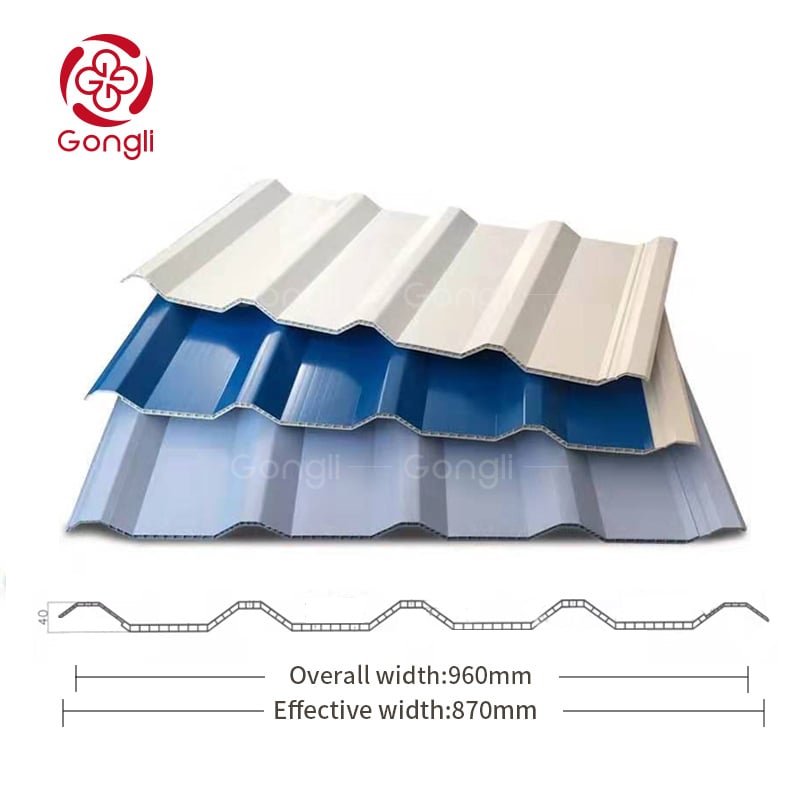
The most frequently specified widths in the market fall into a few standard ranges. A 1050mm total width is one of the most common, typically yielding an effective coverage around 960mm after accounting for the side lap. An 880mm total width is also widely used, with an effective coverage near 800mm. There is also a 980mm option that provides roughly 850mm of usable width. The difference between total width and effective width is the overlap zone, which is essential for waterproofing. Specifying by effective width rather than total width is what prevents underestimating the number of sheets needed for a project.
Wave Profiles and What They Mean for Installation
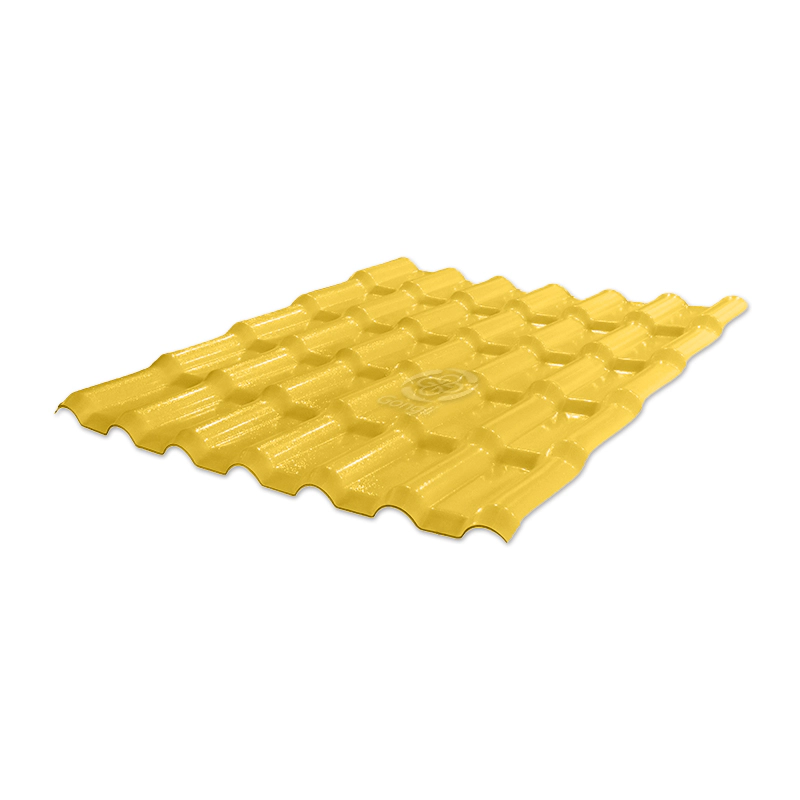
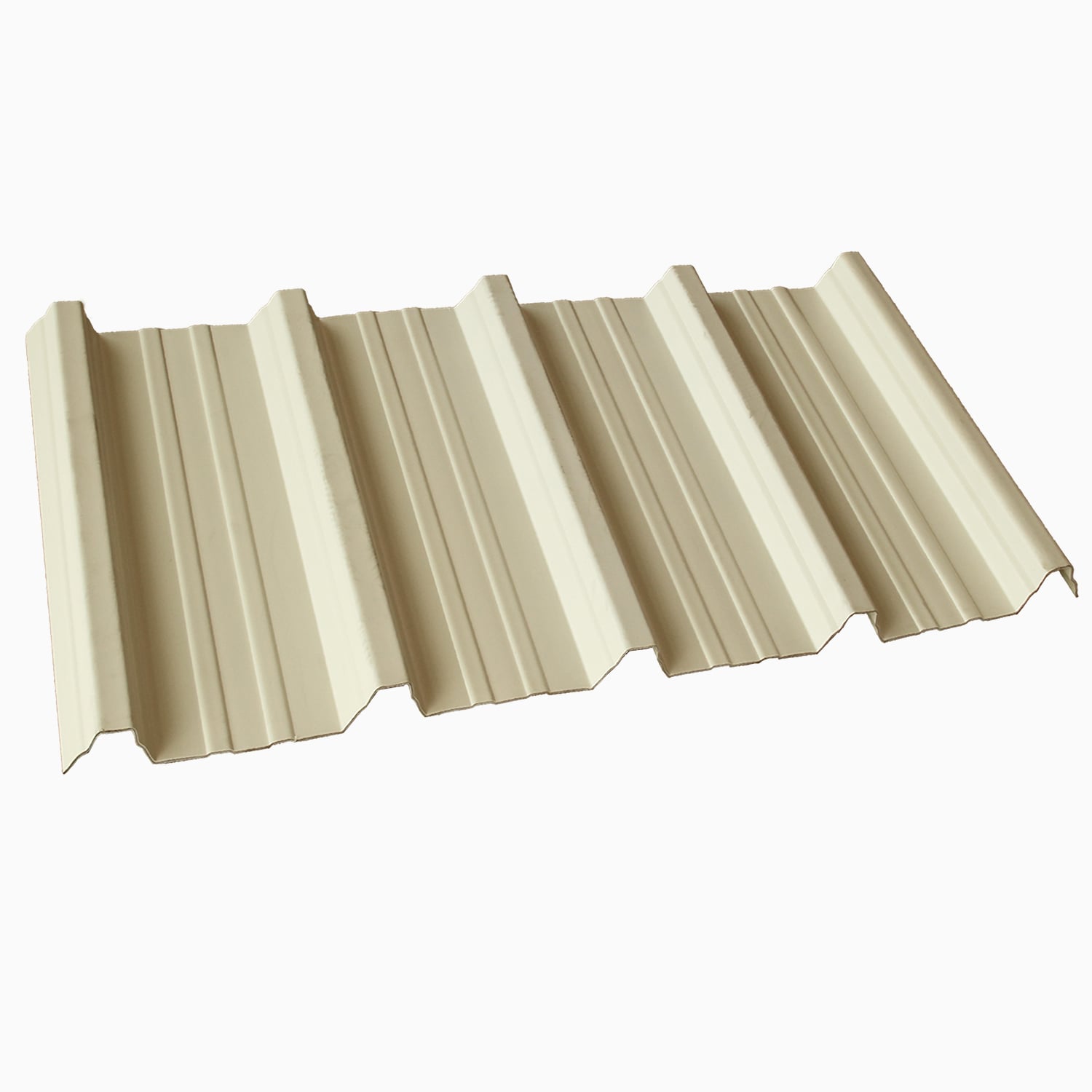
Profile geometry determines how sheets nest together and how they perform under wind and rain. The main categories include trapezoidal wave, round wave, and larger corrugated profiles. Trapezoidal profiles tend to have flat tops and angled sides, which can provide a more modern look and efficient water runoff. Round wave profiles have a softer, more traditional appearance. Wave height is another variable. A 30mm wave height is common for standard applications, while some profiles go higher for increased rigidity or specific aesthetic requirements. Pitch, the distance between wave peaks, affects how the sheets align and how many fasteners are needed per square meter. Purlin spacing recommendations often depend on the profile and thickness, with 660mm being a typical maximum for many standard profiles.
Thickness Options and How They Relate to Span
Thickness directly affects load capacity and how far apart purlins can be spaced. Common thicknesses for ASA roof sheets range from 2.0mm up to 3.5mm or even 4.0mm for heavier-duty applications. Thicker sheets can span greater distances between supports, which can reduce the number of purlins needed and lower installation labor. However, thicker is not always better. Over-specifying thickness adds weight and cost without necessarily improving performance if the purlin spacing is already tight. The table below provides a general reference for how thickness relates to weight and typical span.
| Thickness | Weight per Square Meter | Typical Purlin Spacing | Relative Load Capacity |
|---|---|---|---|
| 2.0mm | 4.0 to 4.5 kg | 600 to 660mm | Standard |
| 2.5mm | 5.0 to 5.5 kg | 660 to 750mm | Moderate |
| 3.0mm | 6.0 to 6.5 kg | 750 to 900mm | High |
| 3.5mm | 7.0 to 7.5 kg | 900 to 1000mm | Very high |
These values are representative and vary by profile and manufacturer. Local wind and snow loads should always be checked against project requirements.
Length Options and Shipping Considerations
Length is often the most flexible variable, but it comes with logistical constraints. Sheets are typically produced in custom lengths to match the roof run and minimize waste from end laps. However, container shipping imposes hard limits. For a 20-foot container, the maximum practical length is around 5.8 meters. For a 40-foot container, lengths up to 11.8 meters are possible. Longer sheets reduce the number of end laps, which improves waterproofing, but they also require more careful handling during transport and installation. On a warehouse project in Southeast Asia, the design team initially specified shorter sheets to fit standard shipping, but after calculating the additional laps and fastener count, they switched to longer panels shipped in 40-foot containers. The change reduced installation time and cut the number of potential leak points.
Color Options and Surface Finishes
Color is not just aesthetic. Lighter colors reflect more solar radiation and can reduce heat gain in the building below. Common colors include blue, green, white, gray, brick red, and yellow. Some manufacturers offer custom color matching for larger orders. The ASA layer is what holds the color, and its thickness and quality determine how long that color lasts. A thin or recycled ASA layer will fade faster, even if the initial appearance looks fine. Surface finishes range from matte to slightly glossy, and the choice affects both appearance and how the roof handles dirt and cleaning. A smooth surface tends to shed dirt more readily, which matters in dusty or polluted environments.
Matching Profiles to Project Requirements
The right combination of width, profile, thickness, and length depends on the specific project. Coastal areas with high salt exposure may call for thicker sheets and corrosion-resistant fasteners. Areas with heavy snow loads need thicker profiles and closer purlin spacing. Buildings where appearance matters may prioritize color options and surface finish. There is no single best configuration. The goal is to match the material specification to the actual conditions the roof will face. Working with a manufacturer that offers a range of profiles and can advise on the right combination for a given climate and application makes the selection process more reliable.
Gongli Building Materials has been producing ASA synthetic resin roof tiles and PVC roofing sheets for years, with a focus on using imported brand new raw materials rather than recycled waste. The product range covers multiple widths, profiles, and thicknesses, which gives project teams flexibility to match specifications to site conditions. For buyers who need consistent quality across a large order, that manufacturing discipline and material control are what keep the finished roof performing as expected.
Recommended Products
Hot News
-
How to choose the right roof tile
2024-01-24
-
PVC Plastic Tiles: The Ideal Roofing Material
2024-01-24
-
The Essentials of Synthetic Resin Tile Manufacturing
2024-01-24