EN
EN
 AR
AR
 BG
BG
 HR
HR
 CS
CS
 DA
DA
 NL
NL
 FI
FI
 FR
FR
 DE
DE
 EL
EL
 HI
HI
 IT
IT
 JA
JA
 KO
KO
 NO
NO
 PL
PL
 PT
PT
 RO
RO
 RU
RU
 ES
ES
 TL
TL
 IW
IW
 ID
ID
 LT
LT
 VI
VI
 TH
TH
 TR
TR
 AF
AF
 MS
MS
 KM
KM
 LO
LO
 MY
MY

Why do architects recommend ASA roof sheet for modern building designs?
The Shift Away From Heavy Traditional Roofing
Modern building design has moved toward lighter structures, cleaner lines, and faster construction cycles. Heavy clay tiles, thick concrete panels, and bulky metal profiles no longer fit every project. Architects need materials that keep the roof visually light without sacrificing weather performance.
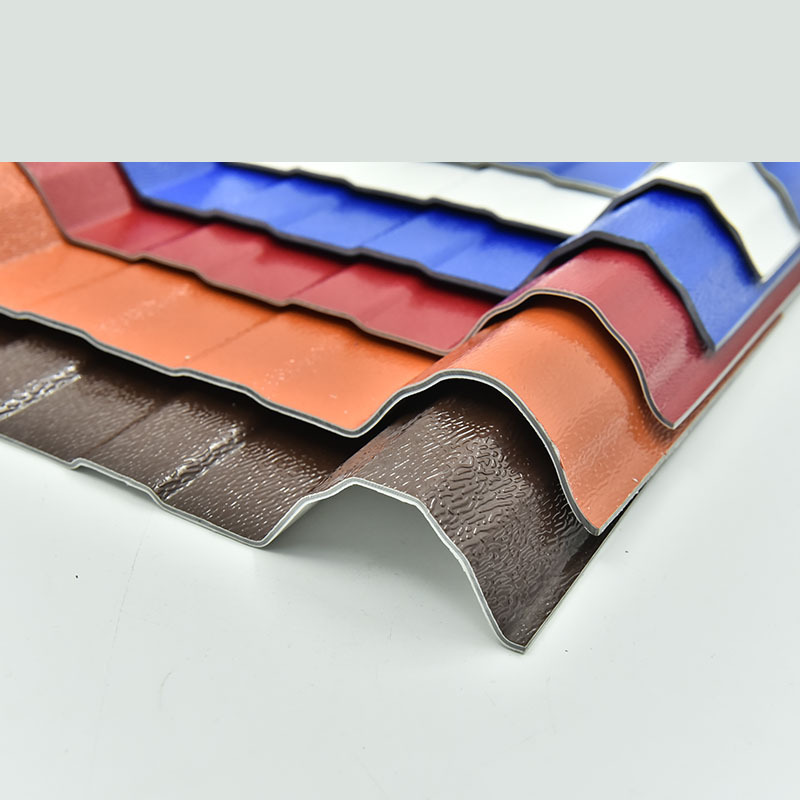
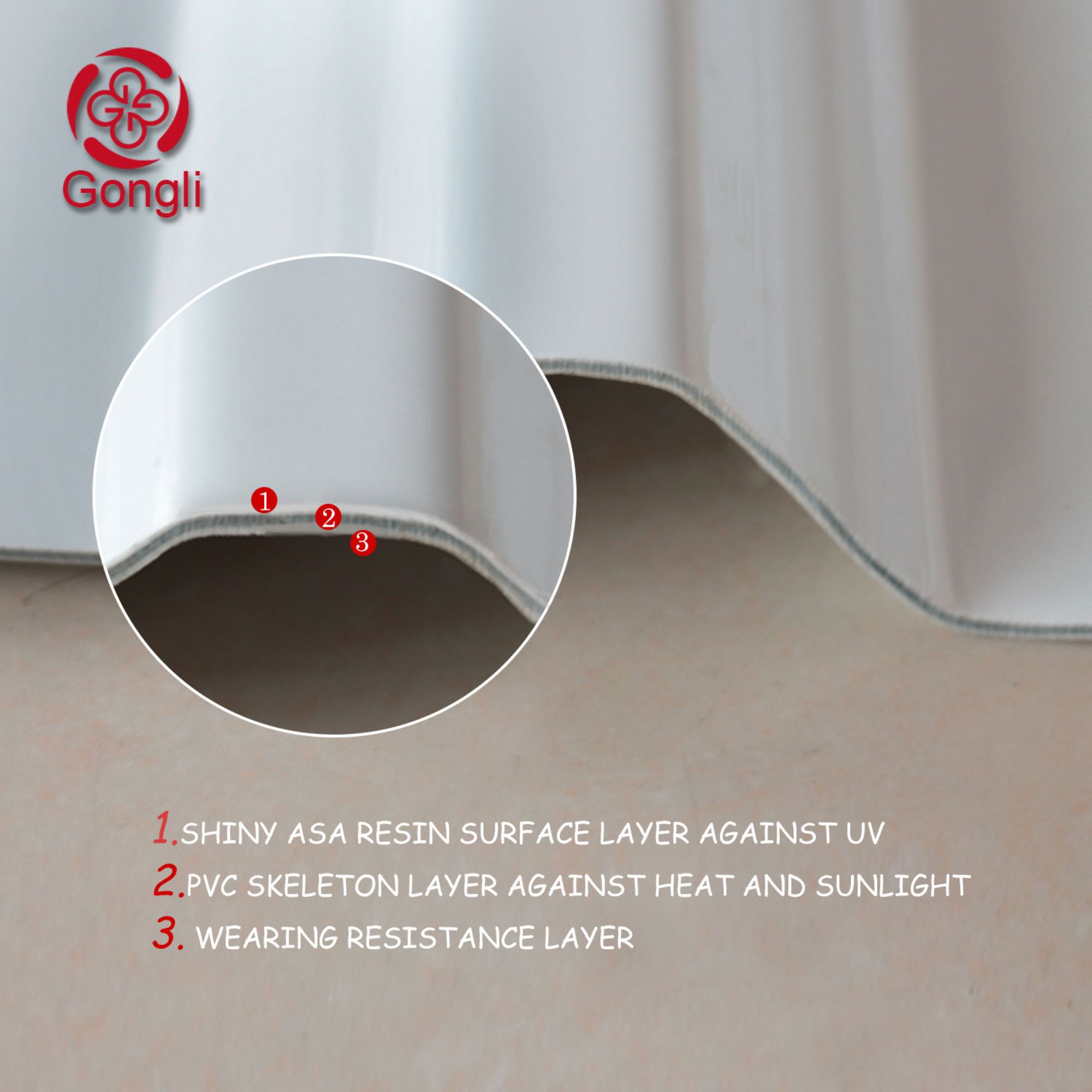
An ASA roof sheet fits that brief. It combines a weather-resistant ASA resin surface with a tougher polymer base. The result is a roofing panel that weighs much less than traditional tile or metal, yet still holds its shape and color under sun, rain, and temperature swings. For architects, that means fewer structural supports, simpler framing, and more design freedom.
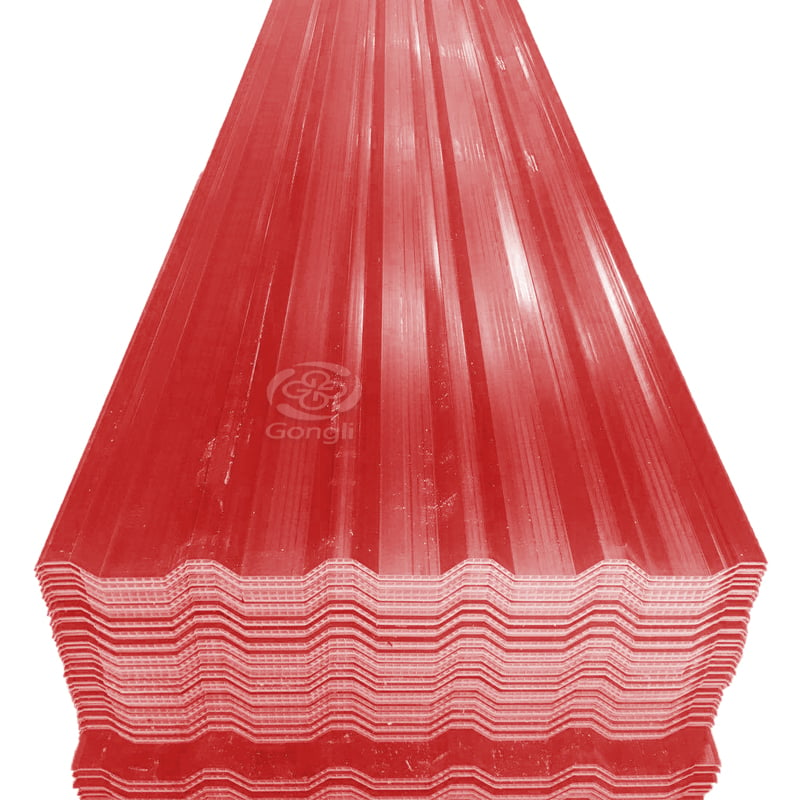
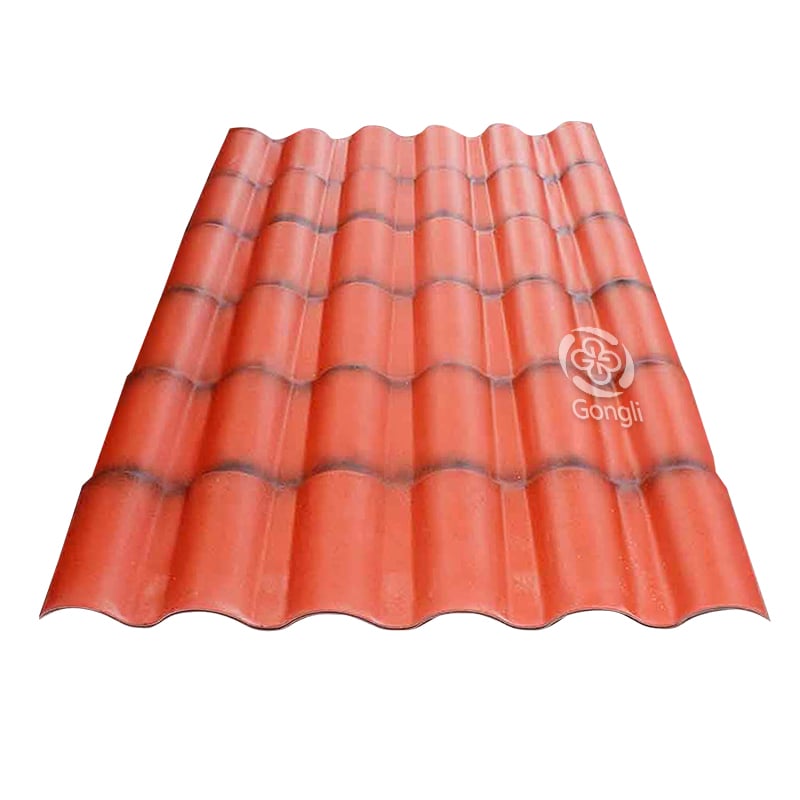
The visual range also matters. ASA sheets come in profiles and finishes that suit low-pitch modern villas, commercial pavilions, and industrial buildings with cleaner façade lines. A roof that used to be purely functional can now become part of the architectural expression.
Why Color Stability Changes the Design Conversation
One of the first things architects ask about any roofing material is how it will look in five years. Metal roofs fade, chalk, or show corrosion spots. Painted steel looks sharp on day one, then loses its depth season after season. That kind of aging ruins the clean appearance modern buildings depend on.
ASA resin has strong ultraviolet resistance because the acrylic component is inherently stable under sunlight. Pigments stay locked in the surface layer longer, and the finish resists the dulling that shows up on many coated products. For a designer, that means the roof color specified at the start remains closer to the original intent years later.
This does not mean ASA never changes. Prolonged exposure still has some effect, especially in extreme UV environments. But the rate of visible fading is slower than most conventional roof coatings. That difference is enough to influence material selection on high-visibility projects.
The Weight Advantage That Ripples Through the Whole Structure
Roof weight affects more than the roof. A heavy roof needs stronger columns, deeper footings, and more steel in the frame. Lightweight panels reduce that load path. For renovations, switching to an ASA roof sheet can allow an old structure to keep its existing supports instead of requiring costly reinforcement.
The table below compares typical installed weight ranges for common roofing materials.
| Roof Material | Typical Installed Weight | Structural Impact | Renovation Suitability |
|---|---|---|---|
| Clay tile | High | Heavy frame required | Often needs reinforcement |
| Concrete tile | Very high | Heavy frame required | Often needs reinforcement |
| Steel sheet | Moderate | Standard frame | Good |
| ASA roof sheet | Low | Light frame possible | Excellent |
| Polycarbonate sheet | Low to moderate | Light frame possible | Good |
That weight reduction also improves construction logistics. More panels fit on a truck, lifting equipment is smaller, and installation moves faster. For projects in dense urban areas or remote sites, those practical benefits are just as important as the structural ones.
Acoustic Behavior in Rain and Daily Use
Nobody wants a roof that sounds like a drum during a thunderstorm. Metal roofs are notorious for rain noise, especially over open spaces like cafés, studios, and covered walkways. Architects who specify metal often have to add insulation or acoustic underlayment, which raises cost and complicates the roof build-up.
ASA sheets have a different mechanical response. The polymer structure dampens impact energy rather than amplifying it. Rain produces a lower, softer sound. For a modern home office, a restaurant terrace, or a community pavilion, that acoustic comfort is part of the user experience.
The improvement is not the same as a fully insulated roof assembly. Heavy insulation can outperform a single-skin ASA roof in extreme conditions. But compared to a bare metal sheet, the difference is immediately noticeable. That practical performance matters when clients test the space during the first rain.
Design Flexibility Without Complicated Detailing
Modern architecture often uses low slopes, long ridges, and irregular footprints. Those geometries punish rigid roofing systems. Clay and concrete tiles need minimum slopes and careful flashing at every transition. Metal sheets can handle low slopes, but complex cuts and joints create more places for leaks.
ASA roof sheets are easier to cut, fit, and detail on site. The material works with standard tools, and the profile range covers both straight runs and curved transitions. Architects can push a design further without forcing the contractor into expensive custom metalwork.
That flexibility also helps in mixed-use projects. A single roof plane might pass over an indoor space, an open terrace, and a covered walkway. ASA sheets handle those transitions without sudden changes in material or detailing logic. The result is a more coherent roof line.
Where ASA Sheets Are Not the Automatic Choice
Honest material selection means knowing when ASA is not the best option. In areas with extreme hail exposure, thicker metal or reinforced polycarbonate may resist impact better. For projects requiring very long unsupported spans, some structural metal panels still have an advantage. And in heritage restoration, traditional materials often remain the right call.
ASA also has temperature expansion that must be accommodated in the fixing design. Installers who ignore pre-drilling and expansion allowances will create stress cracks, no matter how good the sheet itself is. The material performs when the detailing respects its behavior.
Cost is another factor. ASA sheets are generally cost-effective, but they are not the cheapest option on the market. The value comes from the combination of appearance, weight, color retention, and acoustic comfort. If the project only cares about lowest upfront price, simpler materials may win.
What Architects Look for in a Roofing Supplier
Architects rarely choose a material in isolation. They look for suppliers who can provide consistent color, clear installation guidance, and reliable supply across a project timeline. A sample that looks perfect means little if the production batch cannot match it.
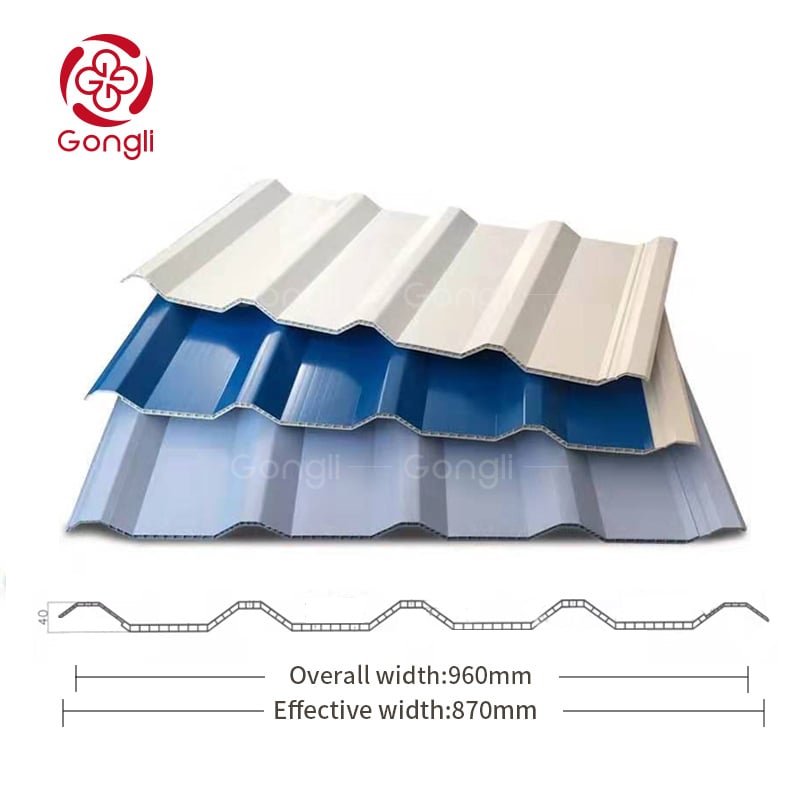
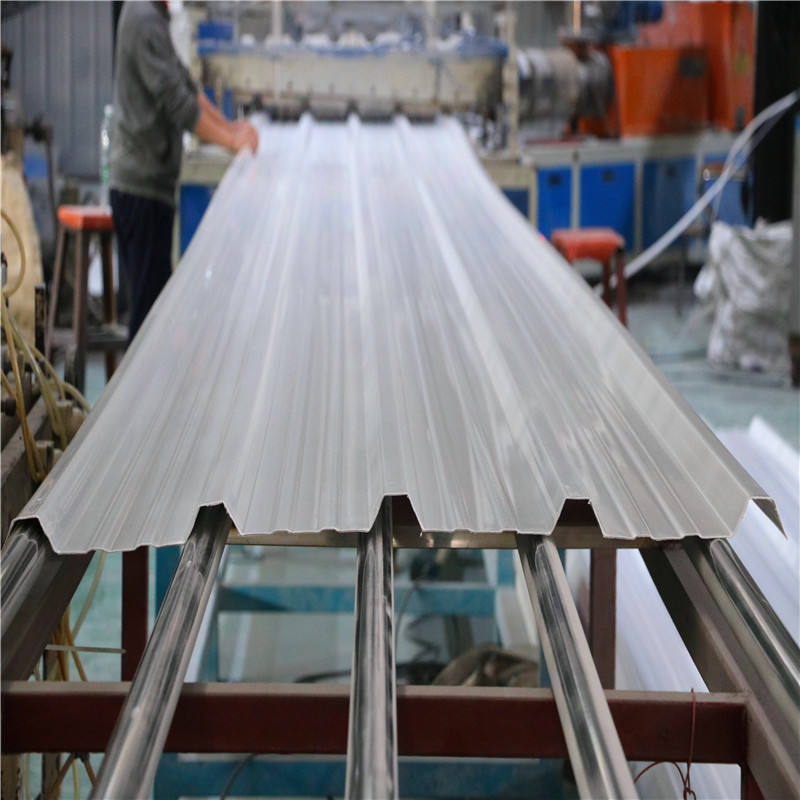
Gongli Building Materials produces ASA roof sheets as part of a wider plastic roofing range. The company uses imported new raw materials rather than recycled waste, which helps keep color and physical properties consistent. For design teams working on modern buildings, that kind of supply stability supports the specification from drawing board to final inspection.
Recommended Products
Hot News
-
How to choose the right roof tile
2024-01-24
-
PVC Plastic Tiles: The Ideal Roofing Material
2024-01-24
-
The Essentials of Synthetic Resin Tile Manufacturing
2024-01-24