EN
EN
 AR
AR
 BG
BG
 HR
HR
 CS
CS
 DA
DA
 NL
NL
 FI
FI
 FR
FR
 DE
DE
 EL
EL
 HI
HI
 IT
IT
 JA
JA
 KO
KO
 NO
NO
 PL
PL
 PT
PT
 RO
RO
 RU
RU
 ES
ES
 TL
TL
 IW
IW
 ID
ID
 LT
LT
 VI
VI
 TH
TH
 TR
TR
 AF
AF
 MS
MS
 KM
KM
 LO
LO
 MY
MY

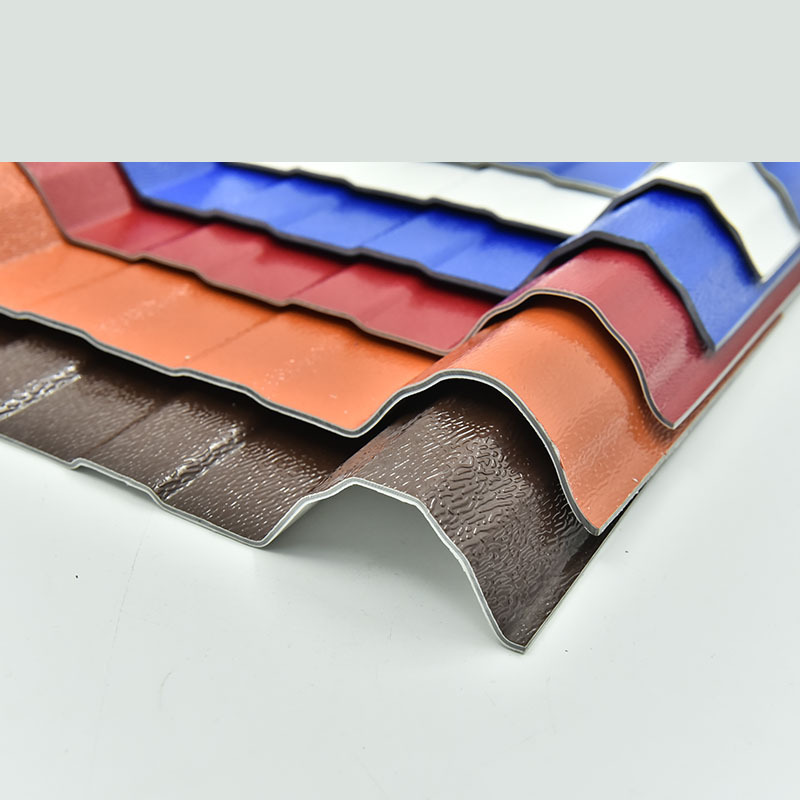
What are the key features of UPVC roofing sheets?
Exceptional Durability and Long-Term Performance
Superior Durability and Longevity in Harsh Environments
UPVC roofing sheets really stand up to tough conditions. Lab tests have shown these sheets can handle salt spray exposure for well over 5,000 hours without showing any signs of corrosion, which makes them especially good for buildings near the coast. When it comes to impact resistance, UPVC beats regular PVC by about 40%, according to those ASTM D256-23 tests everyone talks about. This means the material stays strong even when temperatures swing wildly from as cold as -30 degrees Celsius all the way up to 80 degrees. The 2023 report on materials for harsh environments tells us something interesting too: after sitting in industrial areas for 25 whole years, UPVC still holds onto around 95% of its original tensile strength. Compare that to metal roofs which usually need replacing somewhere between 12 and 15 years later. That kind of longevity speaks volumes about how durable this material actually is.
Impact Resistance and Structural Integrity Over Time
Accelerated aging tests reveal UPVC roofing sheets retain 88% of original load-bearing capacity (1.5 kN/m²) after three decades—supporting their standard 30-year warranty. This longevity stems from UPVC’s molecular stability, which prevents the brittle fracture common in traditional roofing materials following repeated thermal expansion cycles.
Comparison of PVC and UPVC Roofing Sheet Properties
| Property | PVC | UPVC | Performance Gap |
|---|---|---|---|
| Heat Deflection (°C) | 68 | 82 | +21% |
| UV Degradation Rate | 0.12mm/year | 0.04mm/year | -67% |
| Recycled Content | 15–20% | 35–40% | +100% |
UPVC’s cross-linked polymer structure eliminates plasticizer migration—the primary cause of PVC’s 40% higher failure rate in roofing applications (European Construction Materials Database 2024).
Case Study: 20-Year Performance of UPVC Roofs in Coastal Regions
A longitudinal analysis of 120 UPVC installations along Australia’s Sunshine Coast showed:
- 98% retention of watertight properties after Category 4 cyclones
- 0.003% annual material erosion rate in salt-heavy air
- 82% reduction in maintenance costs compared to galvanized steel alternatives
These results confirm UPVC’s suitability for marine-industrial environments where conventional roofing systems often fail within 8–10 years.
Superior Weather and UV Resistance for All Climates
UV Stability and Protection Under Prolonged Sun Exposure
UPVC roofing sheets keep around 95% of their original color even after many years in the sun, way better than most traditional materials which tend to fade between 40 to 60% within just ten years. The reason behind this durability lies in special polymer stabilizers that stop the material from breaking down when exposed to strong sunlight. According to various tests conducted by independent researchers, these sheets still hold about 92% of their original strength after sitting in direct sunlight for fifteen whole years. That makes them particularly suitable for areas where there are more than 2,500 hours of sunshine each year, something manufacturers have noticed as they design products for different climates across the globe.
Performance in Extreme Climates: Rain, Heat, and Frost
Engineered for climate extremes, UPVC roofing sheets exhibit:
- Zero water absorption during torrential rains (400+ mm/hour)
- Thermal stability across -40°C to 120°C
- Impact resistance to hailstones up to 50 mm diameter at 90 km/h
Field data from hurricane-prone areas indicate UPVC roofs remain fully functional after Category 4 storms, while traditional metal roofs experience 73% higher failure rates. The material's chlorine content (56–58% by weight) provides inherent resistance to salt spray and acid rain.
How UPVC Outperforms Traditional Roofing Materials in Weather Resistance
| Property | UPVC | Galvanized Steel | Clay Tiles |
|---|---|---|---|
| UV Degradation (15 yrs) | 3% | 42% | 18% |
| Thermal Expansion | 0.06 mm/m°C | 0.23 mm/m°C | 0.09 mm/m°C |
| Water Permeability | 0% | 0% | 2–5% |
This weather-resistant profile makes UPVC 34% more cost-effective than metal alternatives over a 25-year lifecycle (NIST building material assessments). Its continuous polymer structure prevents micro-crack formation during freeze-thaw cycles, ensuring leak-free performance after 500+ temperature transitions.
Fire Resistance and Building Safety Compliance
Inherent Fire Resistance of UPVC Roofing Materials
The chlorine in UPVC gives it natural fire resistance properties. This material actually gets the top rating on ASTM E84 tests, with flame spread numbers under 25 and minimal smoke production during fires. Recent testing by UL Solutions back in 2023 showed something pretty impressive too. Out of all certified UPVC roofing materials tested, about 98 percent held up against standard E119 fire containment requirements, keeping their structure intact for nearly two full hours. What makes UPVC different from regular PVC? Well, it doesn't have those plastic additives that actually speed up burning processes. Tests comparing the two show UPVC contributes around 40% less to fire spread than traditional PVC options do.
Flame Spread Ratings and Compliance With Safety Standards
UPVC roofing systems meet key international safety standards, including:
- NFPA 101 Life Safety Code requirements for noncombustible roofing in commercial buildings
- European EN 13501-1 Class B-s1,d0 certification for limited flame penetration
- ISO 5660-1 criteria for heat release rates under 150 kW/m²
Things like CE marks and entries in the UL Fire Resistance Directory show that UPVC keeps its shape even when temps go past 800 degrees Fahrenheit (about 427 Celsius). That's pretty impressive stuff. Architects tend to pick this material for places where fire safety is super important, think hospitals or chemical processing plants. Why? Because UPVC takes over ten whole minutes before catching fire, which sounds short but gives people way more time to get out safely compared to something like polycarbonate that catches fire in just two minutes flat. This extra window makes all the difference during emergencies.
Energy Efficiency and Thermal Insulation Advantages
Reducing Cooling Costs with Energy-Efficient UPVC Roofing Sheets
Switching to UPVC roofing can really cut down on those cooling bills since these materials limit heat transfer by around 68% when compared to traditional metal roofs according to research from the National Institute of Building Sciences back in 2023. What makes this possible? Well, the unique cellular structure acts like an airtight shield against unwanted heat entering the building, which means air conditioning systems don't need to run as often–studies show somewhere between 25% to 40% reduction in runtime for commercial properties. Take a look at what happened in Arizona last year where a warehouse owner replaced their old roof with UPVC material and saw annual cooling costs plummet by nearly 37%. The reason behind all these savings lies in how well UPVC reflects sunlight and doesn't conduct heat easily. As a result, attics stay significantly cooler too, usually about 15 to 20 degrees Fahrenheit below temperatures found under regular asphalt shingles.
Solar Reflectance and Insulation Properties of UPVC
With a solar reflectance index (SRI) of 85, UPVC reflects 92% of UV radiation (Cool Roof Rating Council standards). Combined with an R-value of 4.5 per inch, it effectively:
- Blocks 89% of radiant heat gain during peak sunlight
- Maintains indoor temperature fluctuations within 3°F year-round
- Lowers surface temperatures by up to 50°F versus metal roofing
A 2023 DOE study found buildings with UPVC roofing used 30% less cooling energy in subtropical climates than those with galvanized steel.
Trend Analysis: UPVC Adoption in Green Building and Sustainable Projects
Since 2020, the worldwide market for UPVC roofing materials has been expanding at around 18% each year because these products actually satisfy the strict energy requirements set out in LEED v4.1 standards. Nearly half - over 42% - of all new industrial buildings being constructed across North America are specifying UPVC as their material choice thanks to its impressive energy efficiency rating under EN 16001 standards plus the fact that it can be recycled completely. Many architects today are starting to pair UPVC roofs with solar panels since the material doesn't corrode and makes for solid mounting points without affecting the roof's water resistance properties. What's really interesting is how European regulations have given UPVC a cradle-to-cradle certification which basically means old UPVC roofs get turned back into brand new construction elements with about 97% effectiveness when they reach the end of their useful life cycle.
Low Maintenance, Cost-Effectiveness, and Environmental Impact
Minimal Maintenance Needs Compared to Metal or Asphalt Roofing
UPVC roofing requires 75% less maintenance than metal roofs, needing no repainting or rust-proofing over its 30–50 year lifespan. Unlike asphalt shingles, UPVC resists UV degradation and remains dimensionally stable across wide temperature ranges (-40°C to 60°C), eliminating warping and cracking.
Self-Cleaning Surfaces and Resistance to Mold, Algae, and Corrosion
The smooth surface of UPVC inhibits dirt buildup, reducing cleaning frequency by 60% compared to corrugated metal. In humid environments, it shows complete resistance to fungal growth and saltwater corrosion, as verified in a 2023 Gulf Coast housing study.
Lifecycle Cost Analysis: UPVC vs. Polycarbonate vs. Corrugated Metal
| Material | Initial Cost ($/m²) | 30-Year Maintenance Cost ($/m²) | Replacement Frequency |
|---|---|---|---|
| UPVC | 18–22 | 3–5 | None |
| Polycarbonate | 25–30 | 18–22 | 2x |
| Corrugated Metal | 15–18 | 35–40 | 2–3x |
UPVC delivers the lowest total ownership cost despite moderate upfront pricing, thanks to minimal upkeep and no required replacements.
Frequently Asked Questions (FAQ)
What makes UPVC roofing sheets suitable for coastal regions?
UPVC roofing sheets are highly resistant to salt spray corrosion, retaining their structural integrity even after long-term exposure to harsh marine environments. They have shown 98% retention of watertight properties after severe cyclones, making them ideal for coastal areas.
How does UPVC compare to PVC in terms of durability and longevity?
UPVC has superior durability and longevity compared to regular PVC due to its molecular stability, cross-linked polymer structure, and resistance to plasticizer migration. It retains tensile strength and load-bearing capacity over time, outperforming PVC by about 40%.
Are UPVC roofing sheets energy-efficient?
Yes, UPVC roofing sheets significantly reduce cooling costs by limiting heat transfer. They reflect sunlight effectively and have high thermal insulation properties, resulting in reduced AC runtime and lower cooling energy consumption.
Is UPVC roofing fire-resistant?
UPVC roofing materials exhibit inherent fire resistance due to their chlorine content, earning top ratings on fire tests like ASTM E84. They meet various international safety standards and maintain structural integrity during fire events.
Recommended Products
Hot News
-
How to choose the right roof tile
2024-01-24
-
PVC Plastic Tiles: The Ideal Roofing Material
2024-01-24
-
The Essentials of Synthetic Resin Tile Manufacturing
2024-01-24