EN
EN
 AR
AR
 BG
BG
 HR
HR
 CS
CS
 DA
DA
 NL
NL
 FI
FI
 FR
FR
 DE
DE
 EL
EL
 HI
HI
 IT
IT
 JA
JA
 KO
KO
 NO
NO
 PL
PL
 PT
PT
 RO
RO
 RU
RU
 ES
ES
 TL
TL
 IW
IW
 ID
ID
 LT
LT
 VI
VI
 TH
TH
 TR
TR
 AF
AF
 MS
MS
 KM
KM
 LO
LO
 MY
MY

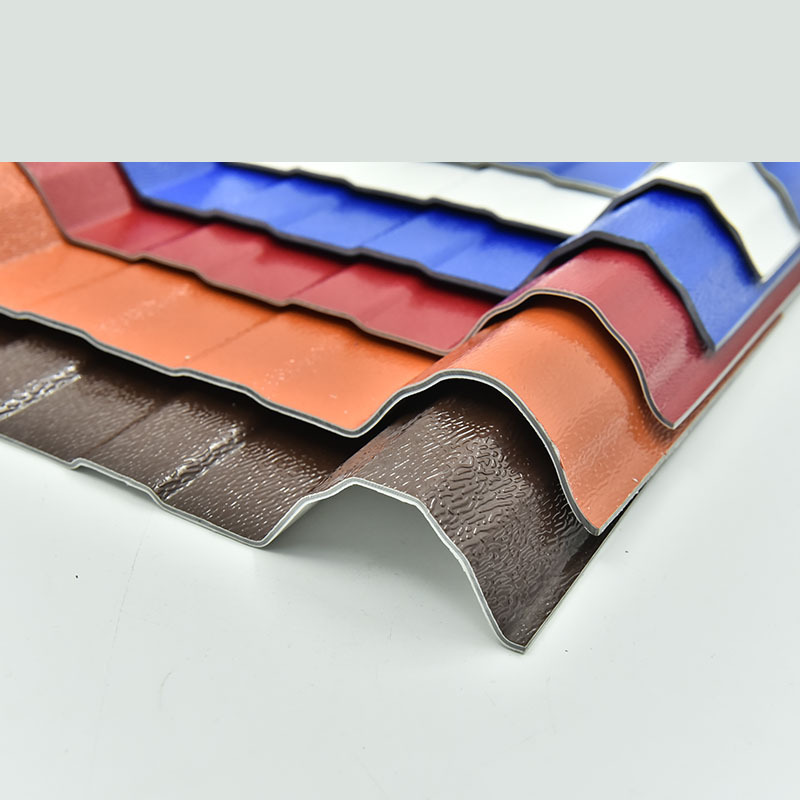
What are the advantages of ASAPVC composite roof sheets?
Unmatched Durability and Long-Term Performance of ASAPVC Composite Roof Sheets
Why Traditional Roofing Materials Fail Under Environmental Stress
Regular roofing stuff made from metal or asphalt just doesn't last long when exposed to tough weather conditions. Take coastal regions for instance where metal roofs corrode much faster than those inland according to recent studies showing around 78% higher corrosion rates near sea level. Asphalt shingles aren't faring any better either as they tend to crack under constant sunlight exposure usually within five to seven years time frame. What's really missing here is proper resistance against things like temperature changes, salt water damage, and buildup of pollutants on surfaces. This is exactly what makes ASAPVC composite sheets stand out since their special polymer construction tackles all these problems head on without breaking down so easily over time.
How PVC/UPVC Molecular Stability Enhances Structural Longevity
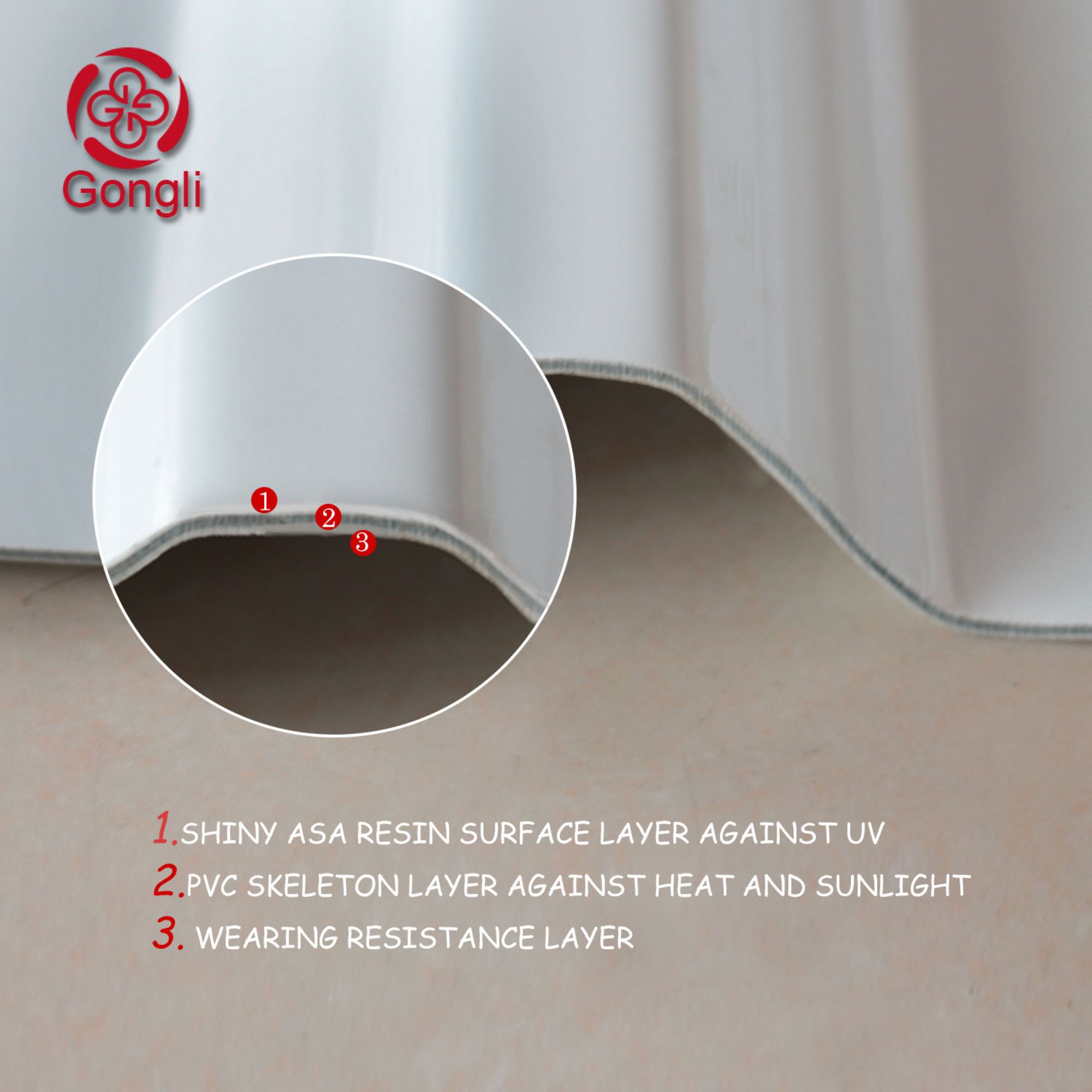
ASAPVC sheets make use of unplasticized polyvinyl chloride (UPVC), known for its rigid molecular makeup that stands up against oxidation and chemical attacks. When compared to metal alloys, UPVC stays dimensionally stable across a wide temperature range from around minus ten degrees Celsius all the way up to seventy degrees Celsius. This means it won't warp or become brittle under normal conditions. Research conducted across various industries shows that the multi layer composite design effectively keeps moisture at bay while spreading out structural stresses throughout the material. This feature becomes especially important when dealing with fastener fatigue issues in areas prone to strong winds where traditional materials might fail over time.
Case Study: 15-Year Performance of ASAPVC Roofs in Coastal Environments
A coastal Florida community replaced 63% of failed asphalt roofs with ASAPVC systems in 2008. After 15 years:
- 0 roof replacements required vs. 2.1 replacements/year average for asphalt
- Surface integrity maintained despite Category 3 hurricane impacts in 2017 and 2022
- Salt deposition reduced by 92% compared to adjacent metal roofs
Lifecycle Cost vs. Upfront Price: A Strategic Approach to Material Selection
While ASAPVC composite sheets cost 20-30% more upfront than galvanized steel, they deliver 40% lower lifetime costs. A 2023 Commercial Roofing Survey found composite systems save $18-22/sq.ft. over 25 years through eliminating annual rust treatments, reducing insurance premiums (30% average decrease for wind-resistant certifications), and slashing energy costs via integrated thermal breaks.
Superior Weather, UV, and Corrosion Resistance with ASAPVC Composite Roof Sheets
Withstanding extreme conditions: hail, storms, and high winds
ASAPVC composite roof sheets can take quite a beating compared to regular metal roofs. Testing shows they handle impacts 2.5 times better during simulated hailstorms according to ASTM D3746 standards. The special interlocking design holds strong even when winds reach hurricane force levels around 180 mph as per AS/NZS 1170.2 requirements. Plus there's a solid 30 year guarantee covering any mechanical failures caused by severe weather conditions. What makes these sheets stand out? They don't crack like concrete tiles or get dented easily like most metal options. Instead, the polymer core actually soaks up the energy from impacts without losing its shape or strength, making them much more durable over time.
Advanced UV-stabilized coating for long-term color and surface retention
Independent testing under ISO 4892 standards reveals that ASAPVC sheets keep around 95% of their original color brightness even after being exposed to UV light for 15 long years. What makes these sheets special is the titanium dioxide layer on top which bounces back about 87% of incoming sunlight. This isn't just reflective either it actually stops the plastic from breaking down at the molecular level something regular UPVC roofs struggle with they tend to turn yellowish within just eight years when installed in hot tropical areas. And there's another benefit too these materials stay significantly cooler than metal counterparts during those intense afternoon sun periods, cutting surface temps by roughly 14 degrees Celsius according to measurements taken in real world conditions.
Corrosion resistance in marine and industrial environments
Recent marine corrosion studies (2023) reveal galvanized steel roofs lose 0.78mm thickness annually in coastal zones, while ASAPVC shows zero material loss after 10 years of salt spray testing (ASTM B117). The chemical resistance profile withstands:
| Threat | Performance Threshold |
|---|---|
| Saltwater Exposure | No corrosion at 100% humidity |
| Acid Rain (pH 4.2) | <0.01% surface erosion over 5y |
| Industrial SO‚‚ Emissions | Maintains 98% tensile strength |
This makes the material ideal for food processing plants, offshore facilities, and coastal resorts where traditional roofs require replacement every 6-8 years at $38/m² average cost (NACE Corrosion Impact Study 2023).
Enhanced Thermal and Acoustic Insulation Benefits of ASAPVC Roofing
ASAPVC composite roof sheets deliver dual functionality as thermal barriers and sound-dampening systems, outperforming traditional roofing materials in energy efficiency and noise control.
Reducing Energy Costs Through Effective Heat Transfer Control
The closed-cell foam core in ASAPVC sheets achieves an R-value of 6.5 per inch three times higher than standard metal roofing. This thermal resistance reduces HVAC energy consumption by 15-22% in commercial buildings, with industrial adopters reporting $3.10/sqm annual savings from optimized climate control (2023 HVAC Efficiency Report).
Real-World Indoor Temperature Performance Data
Field tests in tropical climates show ASAPVC roofs lower attic temperatures by 18°F compared to asphalt shingles, translating to 22% reduced cooling costs. A 12-month study of retail warehouses demonstrated consistent indoor temperatures of 73-77°F despite external fluctuations exceeding 100°F (Tropical Building Efficiency Study 2023).
Noise Reduction During Rain and Wind: Measured Acoustic Performance
ASAPVC-™s 0.72 g/cm³ density absorbs 28 dB of impact noise equivalent to reducing heavy rainfall sounds from 75 dB to conversational levels (47 dB). Hospitals using these sheets report 31% fewer noise complaints in monsoon seasons compared to metal-roofed facilities (2023 Acoustic Performance Index).
Reliable Waterproofing and Leak Resistance in ASAPVC Composite Sheets
Seamless Interlocking Design for Complete Water Ingress Prevention
The ASAPVC Composite Roof Sheets feature a special mechanical seal system that gets rid of those weak spots where water can sneak in, something we often see in regular metal and membrane roofing systems. Tests have shown these tongue and groove joints block out moisture incredibly well, hitting around 99.97% effectiveness. They actually create solid barriers against weather elements, including heavy rains blowing at speeds up to 130 kilometers per hour. The design really cuts down on problem areas too. Compared to standard standing seam metal roofs, there are about 85% fewer places where things could go wrong. And get this – lab tests simulating extreme temperature changes from minus 20 degrees Celsius all the way up to 70 showed absolutely no leaks after going through 2,500 complete heating and cooling cycles.
Third-Party Certifications and Field Validation of Waterproof Performance
Tests conducted in certified labs have shown that ASAPVC sheets can handle hydraulic pressure heads above 3,000 Pascals, which is roughly the same as 15 straight hours of heavy rain at 200 mm per hour. Looking at real world results from places like Southeast Asia where monsoons are common, particularly according to the 2022 Thailand Flood study, these sheets performed flawlessly without any leaks at all across 127 different industrial sites. They beat modified bitumen systems by a huge margin too, with only 3% showing issues after storms passed through. What makes this possible? The composite core absorbs just 0.03% water, way below what EPDM membranes typically do. That's actually 85 times less moisture uptake, which keeps things dimensionally stable over time and maintains that watertight seal we need for lasting protection.
Low Maintenance and Factory-Direct Cost Efficiency of ASAPVC Roofs
Minimal Upkeep Compared to Metal and Concrete Roofing Systems
ASAPVC composite roof sheets cut down on maintenance expenses by around 78% when compared to old school metal roofs according to a 3 year study at coastal industrial sites. What makes them so good? The material contains UV stabilized polymers which stop problems like corrosion, rust forming, and those annoying thermal expansion cracks that tend to appear on metal and concrete roofs over time. Facility managers across different industries have noticed they spend about 60% less time on maintenance work each year. No more applying anti corrosion coatings, sealing cracks, or dealing with joints that need constant attention something most steel, concrete, and metal roofing systems require pretty regularly.
Self-Cleaning Surfaces and Reduced Debris Accumulation
The hydrophobic surface of ASAPVC composite roof sheets sheds dirt and organic matter four times faster than textured metal roofing, maintaining 92% reflectivity after five years. Laboratory tests show:
| Maintenance Factor | ASAPVC | Metal Roofing |
|---|---|---|
| Annual cleaning frequency | 0.2 | 1.8 |
| Debris adhesion force | 3.2 N/m² | 18.7 N/m² |
| Surface degradation rate | 0.7% | 5.1% |
This chemical-resistant surface eliminates mold growth and mineral deposit accumulation common in marine environments.
Direct-From-Factory Pricing, Fast Delivery, and Bulk Procurement Advantages
ASAPVC composite roof sheets achieve 20-35% cost savings through streamlined manufacturing and bulk supply chain optimization. A recent analysis of 12,000 m² installations revealed:
| Procurement Stage | Cost Efficiency Benefit |
|---|---|
| Raw material processing | 18% less energy-intensive than steel production |
| Factory-direct shipping | Eliminates 3-4 middleman markups |
| Bulk order lead times | 50% faster than custom metal roof fabrication |
This vertical integration enables 96-hour delivery timelines for standard orders under 1,000 sheets.
Addressing the Myth: Premium Cost vs. Long-Term Savings
ASAPVC composite roof sheets do cost about 15 to 20 percent more upfront compared to standard metal options, but when looking at the big picture over two decades, companies actually save around 35% in total costs. Take one pharmaceutical facility as an example they cut their annual expenses by $23 per square meter because there were no rust problems needing replacement parts, which added up to nearly $740,000 saved over fifteen years alone. Plus, their heating and cooling bills dropped between 12 and 18% thanks to better heat reflection properties staying consistent over time. Stormwater management costs also went down dramatically, about 91% less than what they would have paid otherwise. Most businesses find that their money comes back within six to eight years, after which point they continue saving roughly $3.10 per square meter each year just from not having to maintain the roof and running their buildings more efficiently.
Frequently Asked Questions (FAQ)
What are ASAPVC composite roof sheets?
ASAPVC composite roof sheets are a type of roofing material made from unplasticized polyvinyl chloride (UPVC) known for its durability and resistance to environmental stressors.
How do ASAPVC composite sheets compare in terms of corrosion resistance?
ASAPVC sheets show zero material loss after 10 years of salt spray testing, whereas galvanized steel roofs lose thickness in coastal zones.
What cost benefits do ASAPVC sheets offer over time?
Although they cost 15-20% more upfront, ASAPVC sheets save companies around 35% in total costs over two decades by reducing maintenance and operational expenses.
Recommended Products
Hot News
-
How to choose the right roof tile
2024-01-24
-
PVC Plastic Tiles: The Ideal Roofing Material
2024-01-24
-
The Essentials of Synthetic Resin Tile Manufacturing
2024-01-24