EN
EN
 AR
AR
 BG
BG
 HR
HR
 CS
CS
 DA
DA
 NL
NL
 FI
FI
 FR
FR
 DE
DE
 EL
EL
 HI
HI
 IT
IT
 JA
JA
 KO
KO
 NO
NO
 PL
PL
 PT
PT
 RO
RO
 RU
RU
 ES
ES
 TL
TL
 IW
IW
 ID
ID
 LT
LT
 VI
VI
 TH
TH
 TR
TR
 AF
AF
 MS
MS
 KM
KM
 LO
LO
 MY
MY

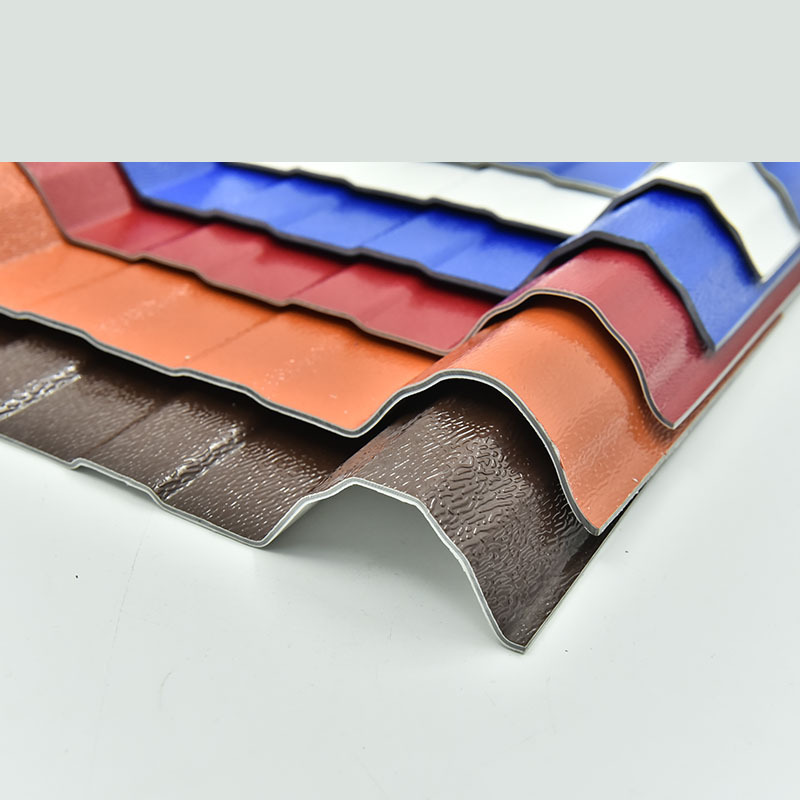
How are twinwall PVC hollow sheets applied in construction?
Lightweight and Easy Application in Construction Enhance Project Efficiency
Twinwall PVC hollow sheets cut down on structural load by about 60 to 70 percent when compared against glass or metal options, which means installations happen much quicker. Workers are able to manage those 4 meter panels right off the truck without needing any fancy gear, and this saves around a quarter of what companies normally spend on labor for retrofitting buildings according to some research from Industrial Materials Journal back in 2023. The fact that these sheets aren't so heavy makes them ideal for older buildings that just cant take the strain of heavier materials without expensive upgrades to their foundations.
Superior Thermal Insulation and Energy Efficiency Reduce Building Operating Costs
The air-trapping chambers in twinwall sheets deliver R-values up to 1.75, outperforming single-pane glass by 160%. Field studies by thermal insulation experts (2024) show annual HVAC savings of $8–$12 per m² in temperate climates. Architects increasingly pair these sheets with passive solar designs, achieving net-zero readiness in 73% of sampled commercial retrofits.
Exceptional Durability and Weather Resistance in Harsh Conditions Ensure Long-Term Performance
Twinwall PVC withstands winds up to 140 mph and salt spray exposure for 15+ years without warping—critical for coastal warehouses. Independent case studies confirm 94% retention of impact strength after 10,000 hours of UV testing. Maintenance costs plunge 40% versus corrugated metal roofs prone to corrosion.
Impact Resistance and Strength-to-Weight Ratio Optimize Safety and Structural Design
The nested-wall architecture absorbs 18 Joules of force—equivalent to a 1.5kg steel ball dropped from 4m:
- Withstands hailstorms up to 50mm diameter
- Resists damage from falling tools or machinery collisions
- Eliminates safety risks from shattered glass fragments
This resilience allows thinner structural framing, reducing steel usage by 22% in warehouse designs.
Balancing Cost Savings With Long-Term UV Degradation Risks
While twinwall PVC sheets offer 35% lower upfront costs than polycarbonate alternatives, extended sun exposure can reduce light transmission by 0.8% annually. Projects in high-UV regions should budget for protective coatings or 15-year replacements—still achieving 20% lifecycle savings versus traditional materials.
Roofing Systems Using Twinwall PVC Hollow Sheets
Application in industrial and commercial roofing systems
More and more businesses are turning to twinwall PVC hollow sheets for their roofs because these materials work well on both flat surfaces and those with gentle slopes. Warehouses, manufacturing plants, and big box stores especially appreciate how easy it is to install these sheets without gaps between panels. This means fewer chances of water getting through and saves workers a lot of time during installation compared with old fashioned metal roofing options. The fact that they don't rust makes these sheets great choices where there might be chemical fumes hanging around or constant dampness, something we see all the time in food processing facilities and chemical storage buildings throughout the country.
Reduced structural support needs due to low material weight
Weighing 70% less than equivalent metal panels, Twinwall PVC hollow sheets allow builders to reduce structural framework requirements by approximately 25%. This cuts both material costs and installation timelines, enabling faster project completion without compromising load-bearing capacity.
Case Study: Retrofitting a warehouse roof with Twinwall PVC for improved insulation
In early 2023, a major upgrade took place at a 10,000 square foot warehouse where old steel roofing was swapped out for Twinwall PVC hollow sheets. The new roofing cut down on heating and cooling expenses by around 32% each year because these sheets have good insulating qualities with an R-value rating of 2.5 per inch thickness. After almost a year and a half facing everything from scorching heatwaves to icy storms and even some serious hail damage, inspectors found absolutely no signs of wear or tear on the roof surface. This real-world test shows how well these materials hold up against tough weather conditions over time, making them a smart choice for facilities located in regions with unpredictable climate patterns.
Facades, Sunshades, and Exterior Cladding Solutions
Ventilated Facade Systems Using Twinwall PVC Hollow Sheets
Twinwall PVC hollow sheets form the backbone of modern ventilated facade systems, providing a 12–18 mm air gap that enhances thermal regulation and moisture management. These systems achieve 35% better thermal performance compared to solid cladding (Building Physics Institute 2024), while their hollow structure reduces material consumption by 22% without compromising strength.
Sunshade Panels With Design Flexibility for Solar Control and Aesthetics
Twinwall PVC's impressive 85% light diffusion makes it a favorite among architects for creating sunshade panels. These panels manage to block around 72% of solar heat while still letting through enough light to maintain visibility. Studies indicate that when installed on commercial buildings, they cut down cooling costs by approximately 19%. What's really interesting is how architects can customize the cuts to form all sorts of geometric shapes on building exteriors. Take the LightScape Tower in Toronto as a prime example where these panels create stunning visual effects across the entire facade.
Weather-Resistant Performance in High-Exposure Outdoor Environments
Twinwall PVC maintains 98% impact strength retention after 5,000 hours of UV exposure (ASTM G154 testing), outperforming standard polycarbonate by 3:1 in accelerated weathering trials. Its 2.3 kN/m² hail resistance rating makes it ideal for coastal buildings and alpine resorts facing extreme temperature swings (-30°C to +60°C operational range).
Integration With Sustainable Building Envelopes in Urban Developments
The material’s 100% recyclability and 14 kgCO’/m² embodied carbon (43% lower than aluminum composites) align with LEED v4.1 requirements. Rotterdam’s GreenEdge Plaza used Twinwall PVC in its rainscreen cladding to achieve a 27% reduction in annual energy use while meeting the city’s Circular Construction Mandate (2025–2030).
Insulated Wall Panels and Interior Partition Systems
Rapid Modular Assembly of Insulated Wall Panels in Construction
Twinwall PVC hollow sheets revolutionize construction timelines through their modular panel system, enabling crews to assemble 100m² of insulated walls in under 4 hours. Prefabricated interlocking components eliminate 70% of on-site cutting labor compared to traditional materials, while maintaining R-values up to 1.75 m²·K/W for thermal efficiency (Modular Construction Review 2023).
Design Flexibility in Partition Walls for Dynamic Interior Spaces
A 2023 analysis of commercial partition systems found that Twinwall PVC accommodates 92% of architectural design requirements through CNC-routed openings and embedded channels for electrical and mechanical systems. The material supports seamless transitions between private offices, collaborative zones, and sound-rated (up to 32dB) conference spaces without structural reinforcements.
Customizable Installation to Meet Diverse Architectural Requirements
Specifiers leverage Twinwall PVC's 0.67 g/cm³ density to create curved partition walls with radii as tight as 300mm, enabling fluid interior layouts. Thermal expansion joints spaced at 2.4m intervals (±1.5mm movement capacity) prevent warping in temperature-controlled medical facilities and museums, while 50% recycled content supports LEED v4.1 certification requirements.
Installation Best Practices and Long-Term Value in Building Projects
Proper Fastening, Sealing, and Expansion Allowances for Leak-Proof, Thermally Efficient Joints
For twinwall PVC hollow sheets to work at their best, installers need to think about thermal expansion and leave those 5 to 8 mm gaps between each panel. Most building experts suggest using stainless steel fasteners placed no more than 300 mm apart. This setup stops wind from lifting the panels but still lets the material move naturally as temperatures change. When it comes to sealing joints that are out in the weather, silicone based sealants perform much better than regular polyurethane adhesives. These special sealants can handle temperatures from minus 40 degrees Celsius all the way up to 80 degrees, keeping things watertight and cutting down on condensation problems by around two thirds compared with standard options.
Prefabrication and On-Site Assembly Strategies to Accelerate Construction Timelines
Factory-cut PVC panels with numbered alignment markers reduce on-site labor hours by 45%. Projects using modular assembly techniques report 22% faster completion rates, as pre-engineered interlocking systems eliminate measuring errors during installation.
Lifecycle Cost Analysis: Low Maintenance and Energy Savings Justify Initial Investment
While Twinwall PVC costs 15–20% more upfront than polycarbonate alternatives, its 35-year service life halves replacement costs. Energy modeling shows 18–24% annual HVAC savings in buildings using these sheets for insulated roofing and walls, with maintenance limited to bi-annual cleaning—no repainting or anti-corrosion treatments required.
FAQ
What are Twinwall PVC hollow sheets?
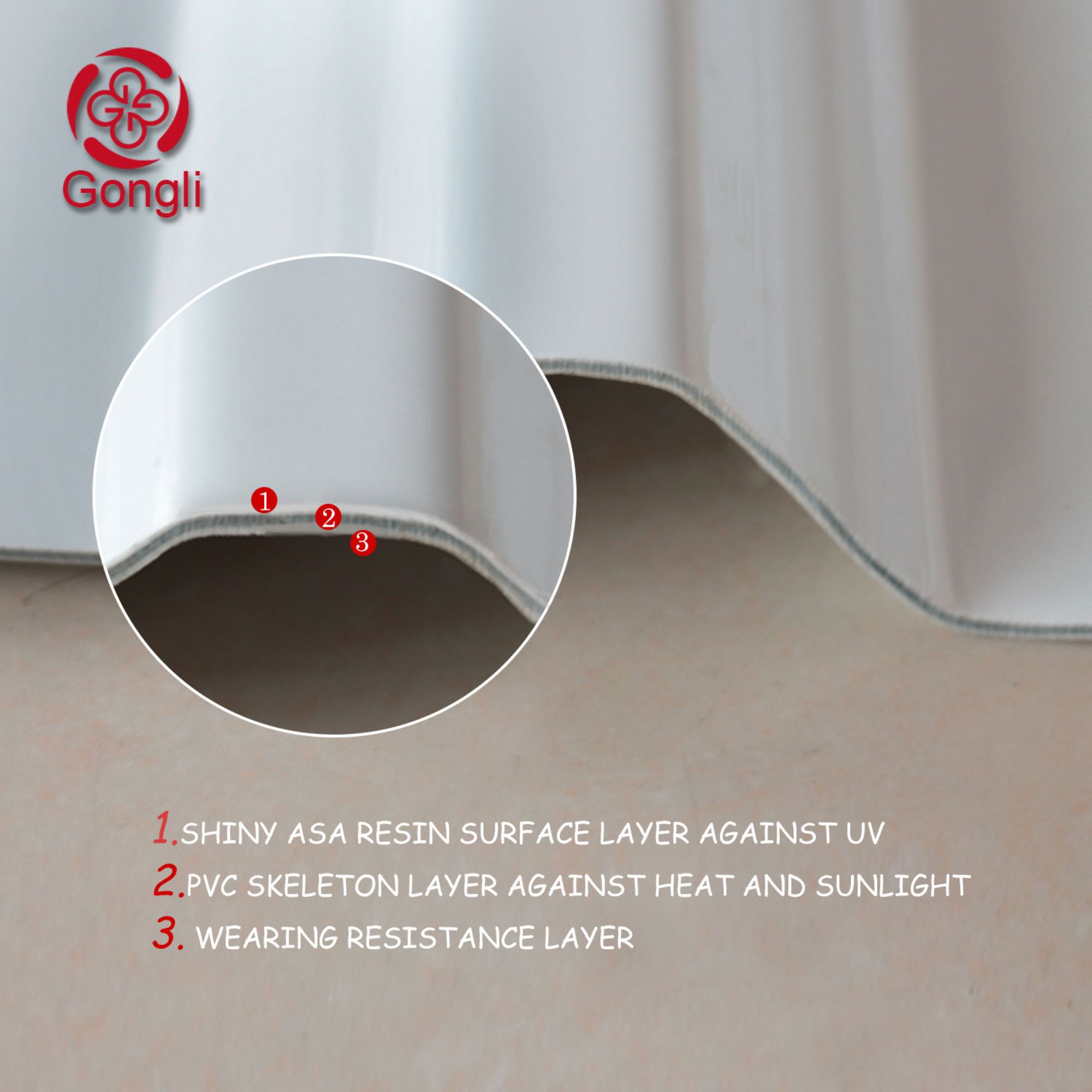
Twinwall PVC hollow sheets are lightweight, durable construction materials that feature nested-wall architecture providing excellent thermal insulation and impact resistance, used for roofing, cladding, and partition systems.
Why are Twinwall PVC sheets considered energy efficient?
The air-trapping chambers in Twinwall PVC sheets significantly outperform traditional materials in thermal insulation, providing up to 1.75 R-values, reducing HVAC costs by 8–12 per m² annually.
Where can Twinwall PVC sheets be used?
Twinwall PVC sheets can be used in multiple applications including roofing, sunshades, ventilated facades, exterior cladding, insulated wall panels, and interior partitions for dynamic building designs.
What is the lifespan of Twinwall PVC sheets?
Twinwall PVC sheets have a lifespan of approximately 35 years with proper installation, maintenance, and UV protective coatings, making them a cost-effective choice over traditional materials.
How do Twinwall PVC sheets handle weather conditions?
These sheets maintain high impact strength retention after UV exposure and extreme weathering trials, suitable for coastal buildings and regions with high temperature swings.
What are the installation considerations for Twinwall PVC sheets?
Installers need to account for thermal expansion, use stainless steel fasteners, and silicone based sealants for weatherproofing to ensure efficient functionality of the sheets.
Recommended Products
Hot News
-
How to choose the right roof tile
2024-01-24
-
PVC Plastic Tiles: The Ideal Roofing Material
2024-01-24
-
The Essentials of Synthetic Resin Tile Manufacturing
2024-01-24