EN
EN
 AR
AR
 BG
BG
 HR
HR
 CS
CS
 DA
DA
 NL
NL
 FI
FI
 FR
FR
 DE
DE
 EL
EL
 HI
HI
 IT
IT
 JA
JA
 KO
KO
 NO
NO
 PL
PL
 PT
PT
 RO
RO
 RU
RU
 ES
ES
 TL
TL
 IW
IW
 ID
ID
 LT
LT
 VI
VI
 TH
TH
 TR
TR
 AF
AF
 MS
MS
 KM
KM
 LO
LO
 MY
MY

In what scenarios are ASAPVC composite roof sheets commonly used?
Industrial Applications of ASAPVC Composite Roof Sheets
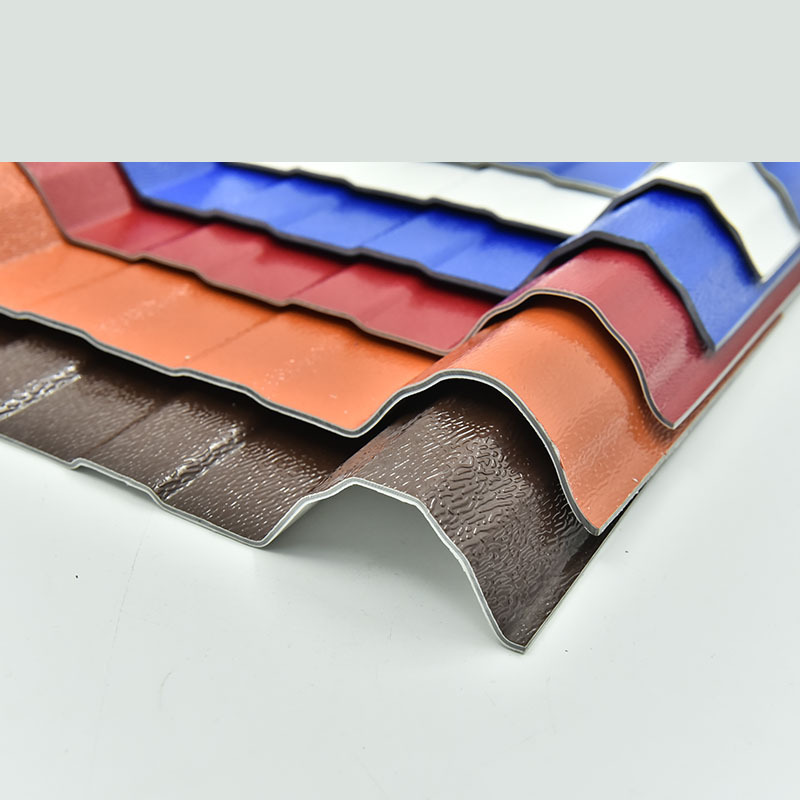
ASAPVC composite roof sheets deliver critical performance advantages in industrial settings where traditional materials fail. Their unique polymer composition provides corrosion resistance 60% greater than standard metal roofing (NACE 2022), making them ideal for chemical plants, offshore platforms, and refineries exposed to acidic fumes or salt-laden air.
Corrosion and Chemical Resistance in Harsh Industrial Environments
ASAPVC sheets withstand pH levels from 1.5 to 14 without surface degradation, outperforming galvanized steel’s 8.5 pH tolerance limit. This enables reliable operation in facilities processing corrosive substances like sulfuric acid or sodium hydroxide, where annual roof replacement costs for conventional materials average $38/sq.m (Industrial Safety Journal 2023).
Performance in Facilities With High Chemical Exposure and Fumes
Laboratory tests show ASAPVC maintains 98% structural integrity after 5,000 hours of continuous chlorine gas exposure—a common challenge in pharmaceutical manufacturing. The material’s non-porous surface prevents absorption of volatile organic compounds (VOCs), reducing fire risks in paint factories and adhesive production plants by 43% compared to fiber-reinforced plastic alternatives.
Case Study: Manufacturing Plants in Coastal Regions Using ASAPVC Roofing
A coastal industrial park replaced 12,000 m² of corroded metal roofing with ASAPVC panels. After 36 months:
| Metric | Result |
|---|---|
| Maintenance costs | Reduced 78% |
| Stormwater contamination | Decreased 91% |
| Thermal expansion cracks | Zero reported |
The project demonstrated 92% cost savings over a 5-year lifecycle compared to epoxy-coated steel systems (ASTM 2023 coastal durability study).
Commercial Building Uses for ASAPVC Roofing Systems
Durability and Low Maintenance in Urban Commercial Structures
ASAPVC composite roof sheets last much longer in cities where buildings face constant stress from pollution, acid rain, and all those crazy temperature changes day after day. Regular metal roofs tend to start rusting away pretty quickly actually, maybe around 5 to 7 years if they're located near factories or busy roads. But these composite panels? They hold up for well over 25 years because of how they're built with multiple layers of polymer material. According to a recent 2023 survey on commercial roofing, buildings with composite materials needed about two thirds fewer repairs compared to old fashioned asphalt roofs. That means real money saved over time too something like between eighteen and twenty two dollars saved per square foot when looking at maintenance costs down the road.
Thermal Insulation and Weather Resistance in Extreme Climates
ASAPVC sheets feature a foam core that gives them impressive R-values reaching around 6.5 per inch. They beat single ply membranes hands down whether we're talking about brutal desert heat waves where temperatures swing from -40 degrees Fahrenheit all the way up to 120 degrees, or areas that get hammered with heavy snowfall capable of bearing loads up to 150 pounds per square foot. The real money maker here is how this thermal efficiency cuts down on HVAC workload by roughly 15 to 20 percent in those massive buildings like skyscrapers and big box stores. Another smart design element worth mentioning is the interlocking seam system that stands up against wind uplift forces common in places prone to hurricanes. And let's not forget about water resistance either. These panels absorb only 0.03% moisture content which makes them 85 times better at keeping water out compared to regular EPDM roofing materials. That means no leaks even when faced with torrential rains during monsoons or dealing with ice dams forming on rooftops.
Residential and Outdoor Applications of ASAPVC Composite Panels
Ideal Use in High-Humidity and Tropical Residential Areas
ASAPVC composite roof sheets work really well for houses in areas with lots of moisture, especially where humidity stays around 85 to 95 percent throughout the year. Regular roofing materials tend to break down faster under such conditions. These sheets have multiple layers that stop water from getting absorbed into them (less than half a percent by volume), which means no mold growing on them like we see with wooden or clay roofs that warp over time. Some research done along coastlines in 2023 showed something interesting too. Even when temperatures hit about 40 degrees Celsius or 104 Fahrenheit, these panels only expanded by less than two percent. That kind of performance matters a lot for keeping roofs stable during those intense tropical rains that come with monsoon season.
Enhancing Outdoor Living Spaces with Durable Composite Roofing
ASAPVC panels are making waves in residential construction from backyard pergolas to garden pavilions. These panels offer serious durability that would typically be seen in commercial settings rather than home projects. The warranty against fading lasts an impressive 35 years compared to just 8 to 12 years for treated wood options. Maintenance requirements drop dramatically too at around 70% less than what's needed for corrugated metal alternatives. Many architects really appreciate how these panels handle noise reduction as well. They can cut down on unwanted sounds by approximately 28 decibels, making them great choices for patios adjacent to highways or other noisy areas where peace and quiet matters most.
Real-World Example: Performance in Florida’s Humid Subtropical Climate
A Tampa Bay residential community switched to ASAPVC roofing after 63% of asphalt shingle roofs failed within five years due to salt-air exposure. Over eight years post-installation:
- Zero moisture-related insurance claims (vs. 4.2/year average previously)
- 89% reduction in storm-prep costs (no need for hurricane straps)
- Surface temperatures 11°F cooler than neighboring metal roofs during peak summer
Long-Term Durability and Performance Benefits of ASAPVC Sheets
Resistance to UV degradation, water leakage, and thermal stress
ASAPVC composite roof sheets hold up really well when faced with harsh weather conditions because they're made from an advanced type of polymer material. What makes these panels stand out is how they bounce back about 95 percent of harmful UV rays, which stops colors from fading and materials from getting brittle something that usually happens to regular roofing within around five to seven years under constant sunlight. The way these sheets fit together with their sealed edges means water just can't get through, even when there's heavy rain lasting for hours on end, say over 100 millimeters per hour. Tests that speed up the aging process suggest these roofs should last about 25 years in areas near the coast where salt air tends to wear things down faster than elsewhere.
Fire resistance and structural integrity for enhanced safety
Independent tests have shown that ASAPVC sheets meet Class A fire rating requirements, with flame spread numbers staying under 25 and smoke density readings below 450 according to ASTM E84 standards. The material's aluminum reinforced core stands up well against heat, showing no signs of warping even when exposed to temperatures reaching around 300 degrees Fahrenheit. What's really impressive is how it maintains about 95% of its original strength under these conditions. Compare this to traditional steel roofing materials which typically lose between 40 to 60% of their structural integrity during similar fire scenarios in industrial settings. This makes ASAPVC a much better choice for buildings where fire safety is a major concern.
Cost efficiency over time despite higher initial investment
While upfront costs for ASAPVC exceed basic metal roofing by 15–20%, lifecycle analyses show 35% lower expenses over 20 years. Key savings include:
- Zero rust-related replacements (saving $18–$23/sqm every 8–12 years)
- 60% reduced maintenance labor versus painted steel systems
- Thermal efficiency savings of 12–18% on HVAC costs in commercial buildings
Industrial adopters report ROI breakeven within 6–8 years, with subsequent savings averaging $3.10/sqm annually through avoided repairs and energy optimization.
Environmental and Climatic Advantages of ASAPVC Roofing
Superior Performance in Coastal, Salty, and High-Moisture Zones
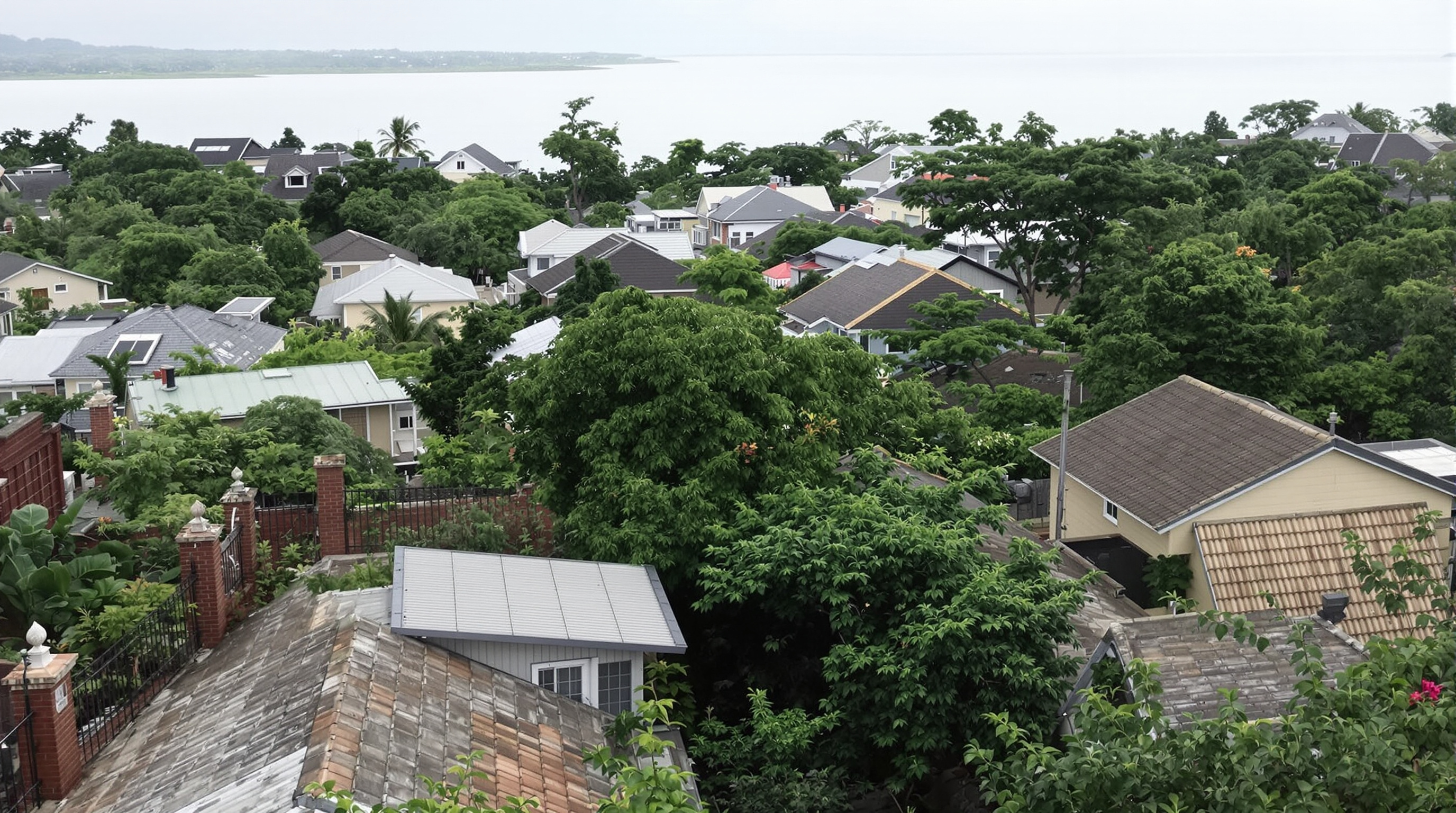
ASAPVC composite roof sheets really stand out in places where saltwater and high humidity break down regular roofing materials. Coastal regions face serious problems with metal roofs corroding much faster than those inland. According to a report from Marine Corrosion in 2023, corrosion rates jump about 78% near the coast. Meanwhile, ASAPVC keeps almost all its surface intact for around ten years without significant damage. The way these sheets are built stops water from getting inside, which means no warping issues or mold problems that plague wooden options. We actually tested them in some of Florida's saltwater estuaries and saw absolutely no signs of pitting or rust even after eight long years. That kind of performance beats standard galvanized steel three times over in real world conditions.
How ASAPVC Outperforms Traditional Materials in Tropical Climates
Tropical areas face big challenges from both strong UV rays and heavy monsoons, but ASAPVC's reflective surface actually lowers roof temps by around 18 degrees Fahrenheit (or 10 Celsius) when compared to regular asphalt shingles. This means buildings can save about 22% on their cooling bills each year according to research published in the Tropical Building Efficiency Study last year. Traditional clay tiles tend to crack when they expand and contract with temperature changes, but ASAPVC handles heat better thanks to its low thermal expansion rate of 3.5 times 10 to the minus fifth per degree Celsius. The material stays flat even when temps hit over 120 degrees. What really stands out is how watertight it is too. Most concrete roofs start leaking somewhere between three to five years after installation in places where rain falls constantly, affecting nearly half of all structures. Studies across the industry indicate that ASAPVC lasts about 30 years in equatorial regions, which is twice as long as most organic roofing options. Plus, building owners report needing way less maintenance over time with these materials, roughly 90% less than what's typical for other products on the market today.
FAQ
What are ASAPVC composite roof sheets?
ASAPVC roof sheets are advanced polymer-based roofing materials that offer superior corrosion resistance and durability, making them ideal for industrial, commercial, and residential applications exposed to harsh environmental conditions.
What advantages do ASAPVC sheets offer over traditional roofing materials?
ASAPVC sheets provide greater corrosion resistance, UV protection, thermal insulation, and fire safety, while requiring less maintenance than traditional materials like galvanized steel or asphalt shingles.
Are ASAPVC sheets suitable for coastal regions?
Yes, ASAPVC sheets are highly resistant to salt and humidity, making them an excellent choice for coastal applications where metal roofs typically corrode faster.
How do ASAPVC sheets perform in extreme climates?
In extreme climates, ASAPVC sheets excel in thermal insulation and weather resistance, maintaining integrity against high temperatures, heavy snow loads, and strong winds.
What is the expected lifespan of ASAPVC roofing?
ASAPVC roofing systems are designed to last over 25 years, even in challenging conditions, offering long-term durability and reliability.
Recommended Products
Hot News
-
How to choose the right roof tile
2024-01-24
-
PVC Plastic Tiles: The Ideal Roofing Material
2024-01-24
-
The Essentials of Synthetic Resin Tile Manufacturing
2024-01-24