EN
EN
 AR
AR
 BG
BG
 HR
HR
 CS
CS
 DA
DA
 NL
NL
 FI
FI
 FR
FR
 DE
DE
 EL
EL
 HI
HI
 IT
IT
 JA
JA
 KO
KO
 NO
NO
 PL
PL
 PT
PT
 RO
RO
 RU
RU
 ES
ES
 TL
TL
 IW
IW
 ID
ID
 LT
LT
 VI
VI
 TH
TH
 TR
TR
 AF
AF
 MS
MS
 KM
KM
 LO
LO
 MY
MY

What maintenance is required for UPVC roofing sheets?
Understanding the Importance of Regular Maintenance for UPVC Roofing Sheets
Why UPVC Roofing Sheets Degrade Without Proper Care
Over time, UPVC roofing sheets start to break down from several factors including sunlight damage, temperature changes, and all sorts of dirt buildup. When exposed to UV rays for long periods, the material itself starts to weaken. Impact resistance drops significantly after about a decade, sometimes as much as thirty percent according to some tests. Temperature fluctuations are another problem. The sheets can actually bend out of shape when they expand and contract repeatedly, which creates spaces where rainwater gets in and causes big issues down the road. Research published back in 2022 looked at this exact problem. They discovered something pretty telling: roofs that weren't maintained regularly developed cracks at almost double the rate compared to ones that got checked every year.
How Preventive Maintenance Extends the Lifespan of UPVC Roofs
Regular maintenance keeps small problems from turning into big headaches down the road. Cleaning out debris twice a year helps prevent moss and algae buildup that traps water, and checking those screws and bolts makes sure the roof can stand up to strong winds. Most contractors recommend applying UV protection coatings somewhere between three to five years apart, which really slows down how quickly plastic materials break down over time. This kind of regular attention can actually double or even triple the lifespan of many roofing systems. The numbers back this up too industrial studies show buildings that get routine maintenance end up spending about 40 percent less on repairs than ones where people wait until something breaks before doing anything about it.
Case Study: Commercial Building With Extended Roof Life Through Routine Maintenance
The roof on a warehouse near the coast lasted almost 8 years longer than expected after regular maintenance work. Every six months, technicians cleaned out the gutters to prevent water damage. They also put on special UV protection coatings around every three years, and swapped out any rusty or damaged fasteners whenever they spotted them during routine checks. Even after fifteen years of exposure to salt air and harsh weather conditions, this particular roof still held about 95 percent of what it could originally support. The building owner saved roughly $120 thousand by not having to replace the whole thing so soon. Regular care really does make a difference when it comes to getting the most life out of UPVC materials.
Inspecting and Securing UPVC Roofing Sheets for Structural Integrity
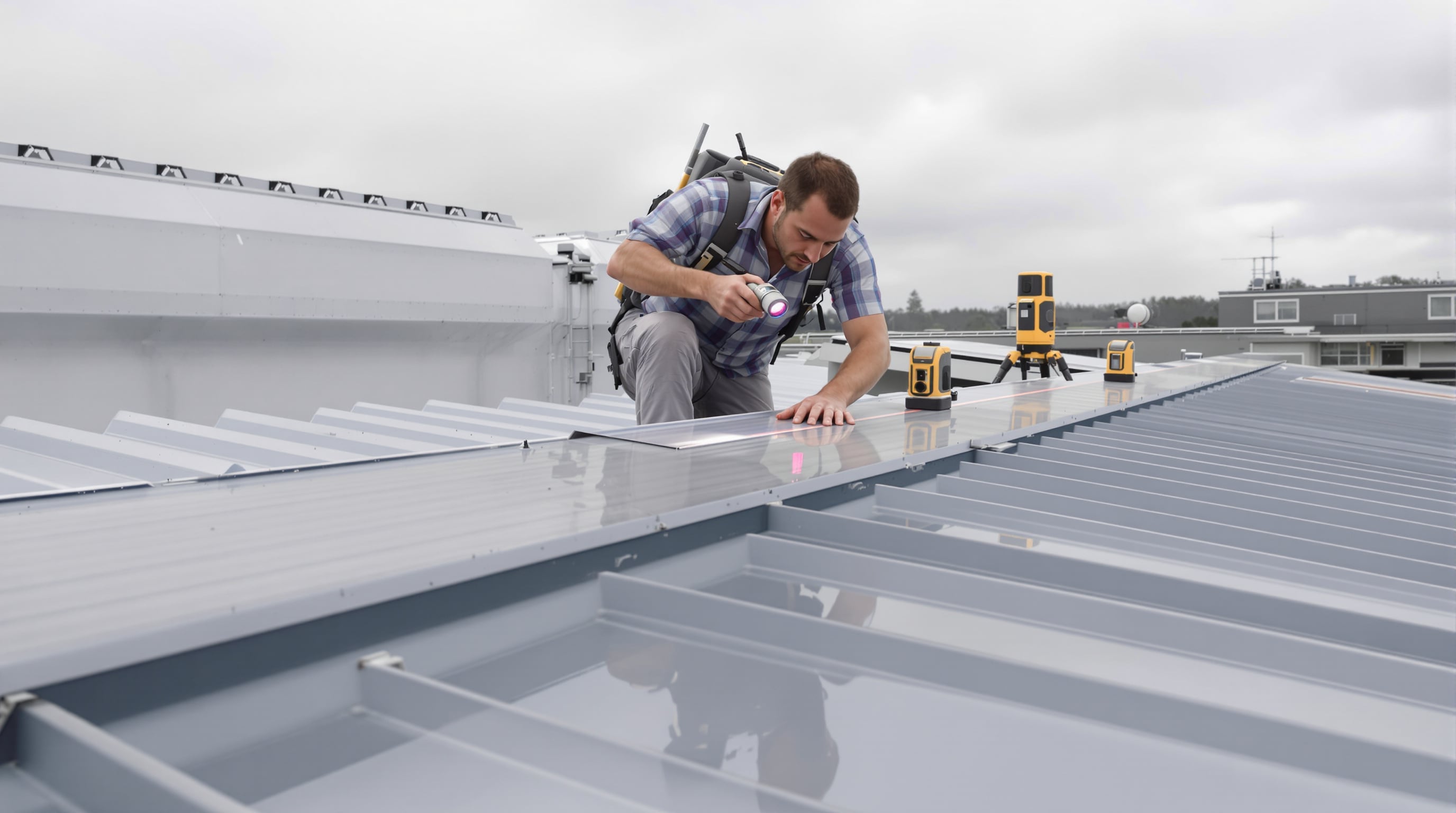
Conducting bi-annual inspections for cracks, leaks, and stress fractures
Schedule inspections in spring and fall when temperature fluctuations place the greatest stress on UPVC sheets. Focus on edges and overlaps, where 83% of stress fractures begin. Use UV flashlights to reveal hairline cracks not visible under natural light.
Identifying and sealing early-stage leaks at joints and fastener points
Signs of early leakage include discolored purlins or rust streaks around fasteners. Apply solvent-free polyurethane sealant to joints, which bonds more effectively with UPVC than silicone-based alternatives. Re-torque fasteners to 2.5 Nm during sealing to maintain waterproof integrity.
Securing loose fasteners to prevent wind uplift and water ingress
Loose fasteners can trigger a domino effect, destabilizing 3–5 adjacent sheets during high winds. Replace corroded screws with galvanized steel variants, spacing them no more than 600mm apart. After securing, perform water spray tests at 150 kPa to verify seal quality.
Assessing purlins, trusses, and alignment after thermal or storm damage
Thermal expansion causes UPVC sheets to shift up to 12mm seasonally (per ASTM D1204 standards). Use laser alignment tools to ensure support structures remain parallel within a 5mm tolerance. Reinforce any purlins showing over 3mm deflection using steel C-channels.
Data insight: 68% of premature UPVC failures linked to structural misalignment (Source: International Journal of Building Materials, 2022)
Of 412 UPVC roof failures analyzed in a 2022 study, 281 were tied to improper load distribution from misaligned supports. Buildings that corrected alignment within 90 days of detection experienced 73% fewer failures over five years compared to those delaying repairs.
Cleaning and Treating UPVC Roofing Sheets to Prevent Biological Growth
Safe Cleaning Methods Using Mild Soap and Water
Clean UPVC sheets with a soft-bristle brush and a solution of mild soap diluted in lukewarm water. This removes surface dirt without harsh chemicals that could degrade the polymer. Rinse thoroughly with a low-pressure hose to prevent water pooling, which encourages biological growth.
Best Practices for Timing and Conditions During Cleaning
Clean on overcast days or in the early morning to avoid rapid drying, which leaves streaks. Avoid direct sunlight when using bleach-based cleaners, as heat intensifies chemical reactions and may weaken UPVC over time.
Removing Algae and Moss With a Diluted Bleach Solution
For persistent algae, apply a solution of 1 part household bleach to 10 parts water sparingly. Allow it to sit for 5–7 minutes before rinsing completely. Never use undiluted bleach or acidic cleaners, as these erode UPVC’s protective layers.
Avoiding Surface Damage During Treatment and Managing Environmental Concerns
Use non-abrasive tools and avoid high-pressure washers, which can create micro-cracks where moisture accumulates. Dispose of runoff responsibly—bleach residues can harm plants and soil.
Regional Factors Affecting Treatment Frequency and Effectiveness
In humid coastal areas, clean every 3–4 months to combat salt spray and moisture retention. In arid climates, annual cleaning is sufficient. Adjust frequency based on shade from trees or exposure to heavy rainfall.
Enhancing Longevity with UV Protection and Proper Installation
How UV Radiation Impacts the Polymer Structure of UPVC Roofing Sheets
Prolonged UV exposure degrades UPVC’s polymer chains, leading to brittleness, fading, and reduced impact resistance. Over 5–7 years, unprotected sheets can lose 30–40% of their structural integrity due to photochemical breakdown—especially in regions with annual solar radiation exceeding 5,000 kJ/m².
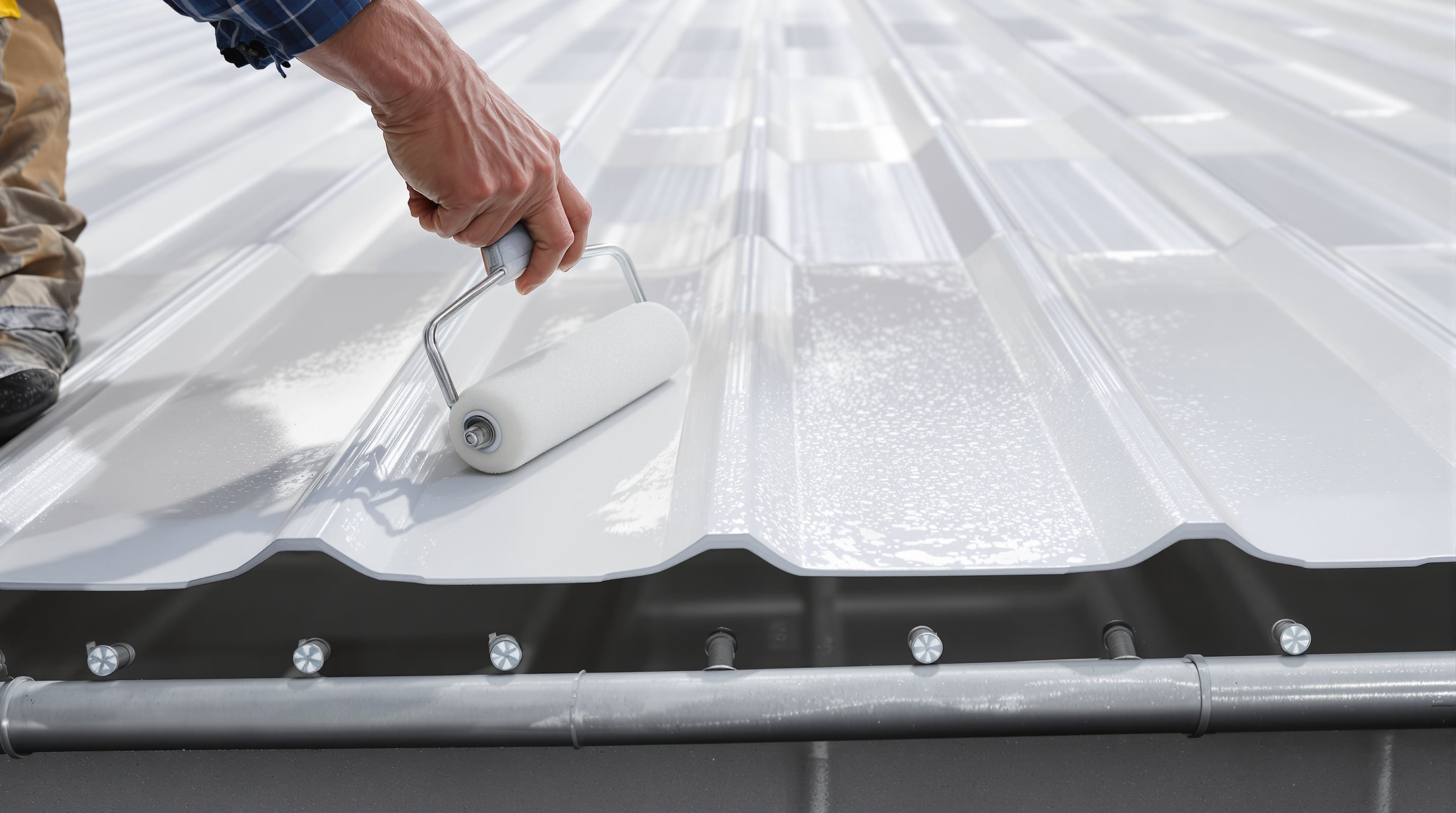
Applying and Maintaining UV-Resistant Coatings
Acrylic or fluoropolymer coatings reflect up to 98% of UV radiation when properly applied. Reapply every 3–5 years via spray or roller, focusing on south-facing slopes. Choose products with ISO 4892-3 certification, verified to withstand over 2,000 hours of accelerated weathering.
Key Installation Practices: Overlap, Fastening, and Alignment
- Overlap: Maintain 150–200 mm side laps and 300 mm end laps to block wind-driven rain
- Fastening: Use stainless steel screws with EPDM washers, spaced 500 mm apart along purlins
- Alignment: Keep gaps between sheets at ² mm to allow for thermal movement
Improper installation accounts for 52% of warranty claims in UPVC roofing systems, according to 2023 building envelope studies.
Replacing Damaged Sheets Promptly to Prevent Cascading Failures
Cracked or warped sheets increase wind load on neighboring panels, risking widespread damage. Replace damaged sections within 14 days using matching thickness (2–3 mm) and profile. Install new sheets uphill from the affected area to preserve water-shedding continuity.
Integrating Coating Reapplication into Routine Maintenance Schedules
Align UV coating renewals with biennial inspections. Track applications using facility management software and prioritize areas showing chalky residue—a clear indicator of coating breakdown. This integrated strategy extends UPVC roof life by 8–12 years compared to reactive maintenance.
Preventing Mold and Mildew Through Ventilation and Drainage Management
Even though UPVC roofing sheets stand up pretty well against bad weather, they still get mold and mildew problems when dampness builds up underneath from lousy ventilation. The trapped humidity basically becomes a breeding ground for all sorts of microbes, which really speeds up how fast the material breaks down. Things get worse when gutters are full of leaves or drainage isn't working properly. These issues together can cut the life of UPVC roofs anywhere between 30 to maybe even 50 percent shorter than those that get regular maintenance and proper airflow.
Optimizing attic airflow with ridge vents and ensuring clear downspouts resolves this vulnerability. For instance, commercial facilities using balanced ventilation report 78% fewer mold-related repairs (Indoor Air Quality Association, 2023). By eliminating standing water and trapped humidity, proper ventilation preserves the structural advantages of UPVC roofing.
FAQs
Why is regular maintenance necessary for UPVC roofing sheets?
Regular maintenance prevents degradation caused by sunlight, temperature changes, and dirt buildup. Without it, UPVC roofing sheets can develop cracks and weaken, reducing their lifespan drastically.
How often should UV protection coatings be applied to UPVC roofing sheets?
UV protection coatings should be applied every three to five years to slow down the breakdown process and extend the roof's lifespan.
What are the consequences of not replacing damaged UPVC sheets promptly?
Failing to replace damaged sheets promptly can increase the wind load on neighboring panels, risking widespread damage and potentially leading to costly repairs.
How does inadequate ventilation affect UPVC roofing sheets?
Inadequate ventilation can lead to mold and mildew growth due to trapped humidity, significantly reducing the lifespan of UPVC roofs.
What cleaning methods are recommended for maintaining UPVC roofing sheets?
Using mild soap and water with a soft-bristle brush is recommended. Avoid harsh chemicals that can degrade the polymer structure of UPVC sheets.
Recommended Products
Hot News
-
How to choose the right roof tile
2024-01-24
-
PVC Plastic Tiles: The Ideal Roofing Material
2024-01-24
-
The Essentials of Synthetic Resin Tile Manufacturing
2024-01-24