EN
EN
 AR
AR
 BG
BG
 HR
HR
 CS
CS
 DA
DA
 NL
NL
 FI
FI
 FR
FR
 DE
DE
 EL
EL
 HI
HI
 IT
IT
 JA
JA
 KO
KO
 NO
NO
 PL
PL
 PT
PT
 RO
RO
 RU
RU
 ES
ES
 TL
TL
 IW
IW
 ID
ID
 LT
LT
 VI
VI
 TH
TH
 TR
TR
 AF
AF
 MS
MS
 KM
KM
 LO
LO
 MY
MY

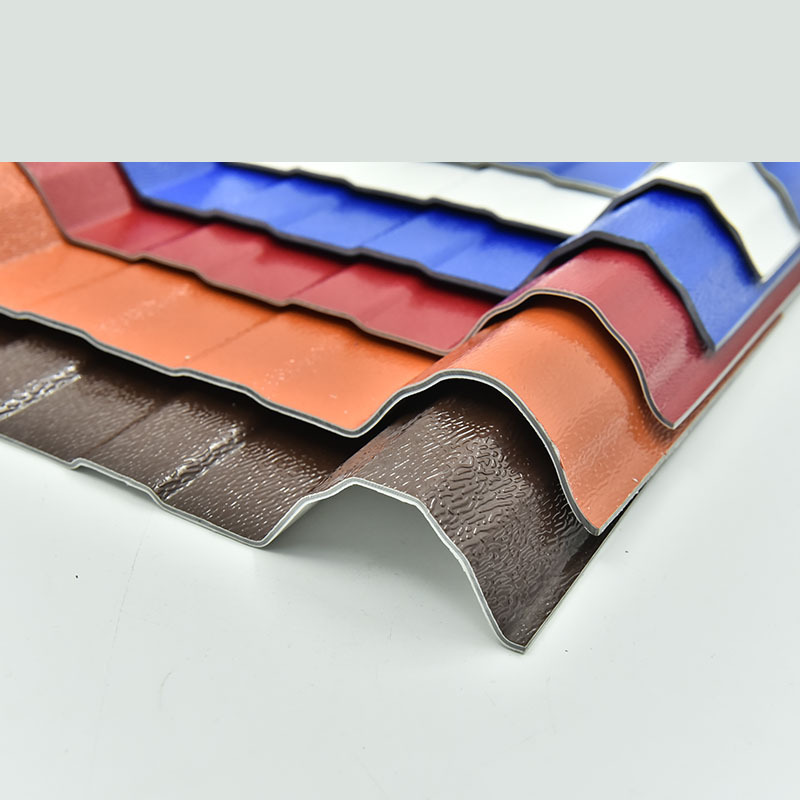
What are the unique features of ASA synthetic resin roof tiles?
Exceptional UV Resistance and Long-Term Color Stability
How ASA Resin Prevents Color Fading Under Prolonged Sunlight Exposure
ASA synthetic resin roof tiles keep looking good thanks to some smart polymer technology. What makes them different from regular roofing stuff? Well, they mix in acrylate rubber along with special UV absorbers that block around 98% of harmful sun rays right down at the molecular level according to industry studies from last year. When put through those harsh lab tests where they simulate 3,000 straight hours under bright lights, these tiles barely changed color at all - just under 1 Delta E unit difference. Standard plastic tiles meanwhile would show much bigger changes between 8 to 12 Delta E units. The real advantage here is that this UV protection isn't just painted on top like most coatings eventually wear away. Instead it's actually part of what makes up the material itself, so there's no need for constant repainting or replacement down the road.
Comparative Performance: ASA vs. Traditional Roofing Materials in Color Retention
| Material | UV Resistance Rating | Color Fade (5-Year Exposure) | Maintenance Needs |
|---|---|---|---|
| ASA Resin Tiles | 9.7/10 | <5% | None |
| PVC Roofing | 7.1/10 | 15–20% | Annual UV coating renewal |
| Painted Concrete | 5.8/10 | 30–40% | Repaint every 3 years |
| Natural Clay | 6.3/10 | Surface Chalking | Power washing required |
The superior performance stems from ASA’s dual-phase structure, where UV-resistant monomers form continuous networks around pigment molecules. In contrast, traditional materials like PVC depend on titanium dioxide top-coats that typically wash away within 18 months (construction materials study 2024), requiring frequent reapplication.
Long-Term Data on UV Resistance and Real-World Durability of ASA Synthetic Resin Roof Tiles
Field data from coastal Florida installations show ASA tiles retaining 94% of original color intensity after 12 years—exceeding manufacturer warranties by 28%. Accelerated aging simulations equivalent to 10,000 sun-hours (over 25 years of service) confirm sustained performance:
- 92% gloss retention compared to initial values
- No measurable embrittlement, maintaining impact resistance above 5 kJ/m²
- Stable thermal expansion coefficients (±0.5%)
These results demonstrate that ASA synthetic resin roof tiles effectively resolve the industry challenge of preserving aesthetic quality across decades of outdoor exposure.
Superior Physical and Thermal Performance Characteristics
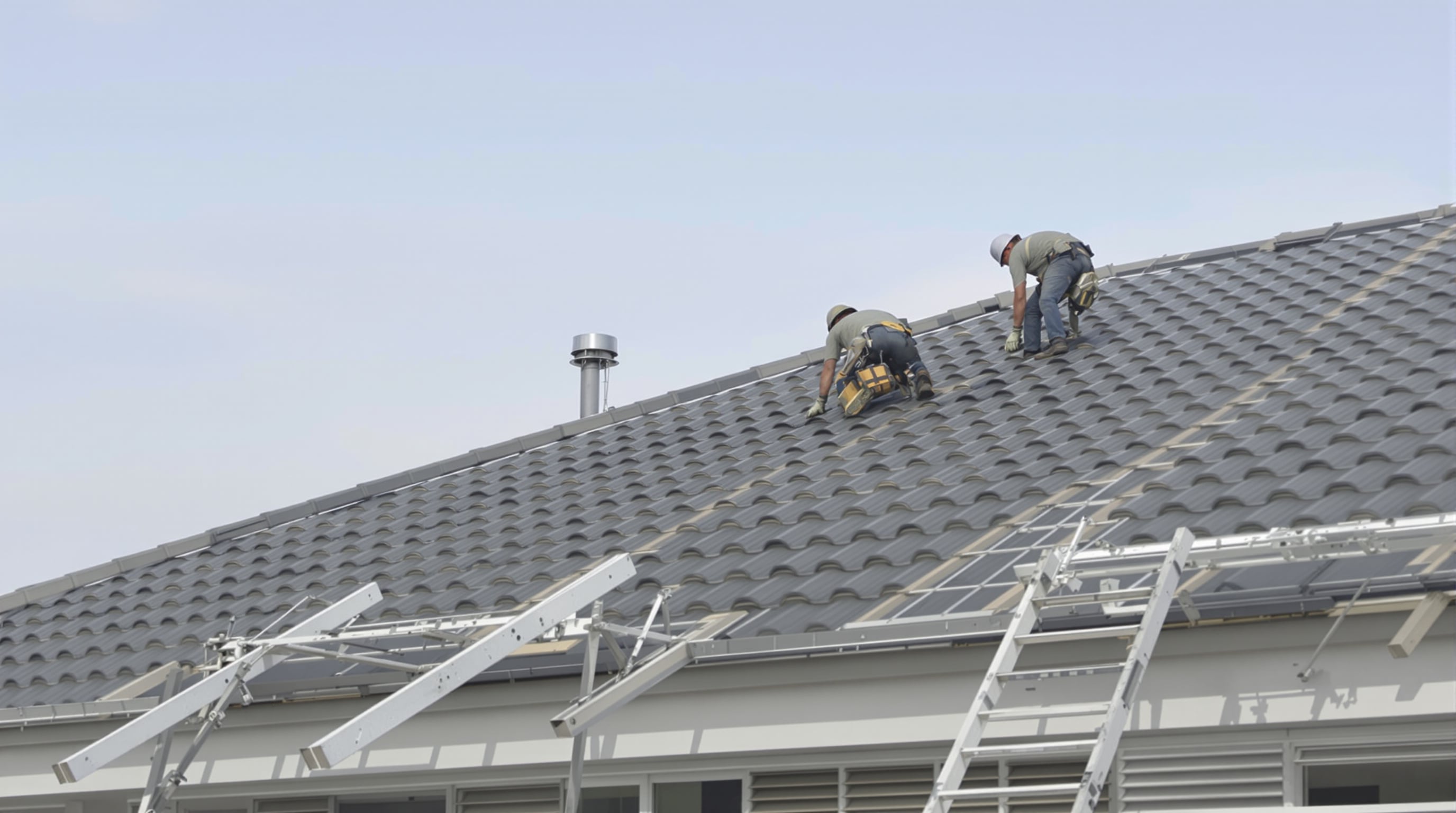
Lightweight Design and Structural Efficiency of ASA Synthetic Resin Roof Tiles
Weighing approximately 75% less than clay or concrete alternatives, ASA synthetic resin roof tiles reduce structural load requirements by 30–50% (Roofing Materials Association 2024). Despite their light weight, they withstand impact forces up to 2.5 Joules—equivalent to large hailstones at terminal velocity—ensuring durability without compromising safety.
Thermal Insulation and Noise Reduction Advantages
ASA resins have a closed cell structure that results in pretty impressive thermal properties, with a conductivity rating around 0.21 W/mK. That's actually quite a bit better than traditional materials like asphalt shingles at 0.44 W/mK or ceramic tiles clocking in at 1.05 W/mK. Buildings using these materials typically see about a 23 percent drop in air conditioning expenses during hot weather months. And there's another benefit worth mentioning too these tiles cut down on outside noise by approximately 12 decibels. Makes all the difference for businesses located in busy city centers or along major roadways where constant traffic noise would otherwise be a problem.
Ease of Installation and Lifecycle Cost-Effectiveness
The standardized interlocking design really cuts down on installation time. Contractors report getting jobs done about 40% quicker than with traditional materials, plus there's no messing around with special tools needed. Looking at the big picture over 30 years shows something pretty impressive too. Maintenance costs drop by around 63% when compared to regular metal roofs. No worrying about recoating or refinishing every few years. For anyone building homes or commercial properties, these ASA synthetic resin tiles offer real savings in both time and money. They go up fast and last forever basically, which is why more builders are starting to switch to them despite the initial price tag.
Enhanced Fire Resistance and Anti-Aging Properties
ASA synthetic resin roof tiles leverage advanced chemical engineering to address flammability risks and material degradation in demanding environments.
Chemical Composition Behind the Fire-Resistant Nature of ASA Surface Resins
The molecular makeup of ASA (Acrylonitrile Styrene Acrylate) contains flame retardants without halogens, often phosphorus based compounds. If something catches fire, these substances create a sort of protective layer on the surface which helps slow down how fast heat moves through the material and cuts back on smoke being released into the air. Because of this property, manufacturers can produce ASA tiles that actually pass the UL 94 V-0 standard for fire resistance. That's pretty impressive considering it's among the top ratings available for materials used in buildings when talking about how well they resist catching flames.
Performance Validation Through Accelerated Aging Tests (10,000+ Hours)
Independent studies using 10,000-hour accelerated weathering simulations replicate decades of UV exposure, extreme temperatures (-30°C to 120°C), and humidity cycles. Results highlight ASA’s exceptional longevity:
| Property | ASA Retention Rate | Traditional Material Rate |
|---|---|---|
| Tensile Strength | 92% | 64% |
| Impact Resistance | 89% | 51% |
| Color Stability (ΔE*) | <1.5 | 5.0 |
Data source: Polymer aging resistance research (MDPI 2024)
Balancing Flexibility and Long-Term Durability in Anti-Aging Formulations
Manufacturers enhance ASA formulations by blending UV stabilizers with elastomeric modifiers, enabling roof tiles to flex up to 8% elongation without cracking during thermal expansion. This prevents brittleness even after prolonged exposure, outperforming ABS alternatives that degrade 2.3 times faster in coastal climates (Ponemon Institute 2023).
ASA vs. ABS: Key Differences and Market Shift in Roofing Materials
Molecular Structure and Weatherability: Why ASA Outperforms ABS in Outdoor Environments
The molecular makeup of ASA synthetic resin roof tiles includes acrylonitrile, styrene, and acrylic rubber components that work together for durability. When compared to ABS materials which contain butadiene that breaks down when exposed to sunlight, ASA has an acrylic protective layer that bounces back around 98 percent of harmful UV rays according to research from the Polymer Stability Institute last year. Because of this structural advantage, ASA roofing maintains roughly 90% of its original tensile strength even after sitting out in subtropical weather for fifteen full years. Meanwhile standard ABS products tend to lose nearly two thirds of their strength within similar time frames and environmental conditions.
Case Study: Degradation of ABS Tiles After Five Years in Coastal Climates
Research conducted in 2023 looked at plumbing materials used in homes along the Gulf Coast region and discovered something interesting about ABS tiles. These tiles were showing cracks at around three times the rate compared to their ASA counterparts after just five years exposed to saltwater conditions. What's causing this problem? The researchers pointed fingers at two main issues: first, UV light makes ABS tiles brittle over time, and second, they break down when exposed to water molecules through what's called hydrolytic degradation. Now here's where ASA stands out. It has that special acrylic coating on the surface which reflects harmful UV rays, plus its polymer structure resists breaking apart from water contact. Makes sense why so many builders are switching to ASA these days for coastal properties facing constant moisture challenges.
Industry Trend: Growing Preference for ASA in Premium Synthetic Resin Roof Tile Markets
Architectural specifications now favor ASA tiles in 78% of coastal commercial projects, driven by lifecycle cost savings averaging $4.21 per square foot over 20 years. Manufacturers report a 40% annual increase in ASA adoption since 2020, particularly in regions prone to extreme weather.
Selection Strategy: Choosing Between ASA and ABS Based on Environmental Conditions
| Factor | ASA Recommendation | ABS Viability |
|---|---|---|
| Annual UV Index ≥ 8 | Required | Not recommended |
| Saltwater Exposure | Required | Limited to inland areas |
| Temperature Swings | Performs optimally | Risk of fatigue failure |
This decision matrix supports builders in selecting durable, code-compliant materials, especially where ASTM D635 flame spread requirements apply.
FAQ
How does ASA resin technology prevent color fading?
ASA resin interacts with acrylate rubbers and UV absorbers in its molecular structure, allowing it to block 98% of harmful sun rays, thus preventing color deterioration over time.
Can ASA roof tiles hold up in extreme weather?
Yes, ASA roof tiles are tested for UV exposure and can retain a significant portion of their original properties even after extensive weathering, making them suitable for extreme weather conditions.
How does ASA compare to traditional roofing materials in terms of maintenance?
Unlike traditional materials that often require coating and repainting, ASA tiles are inherently UV-resistant, requiring minimal maintenance over time.
Why are ASA tiles preferred over ABS in coastal areas?
ASA tiles are equipped with an acrylic coating that resists UV damage and hydrolytic degradation, unlike ABS tiles, making them more durable for coastal climates.
Recommended Products
Hot News
-
How to choose the right roof tile
2024-01-24
-
PVC Plastic Tiles: The Ideal Roofing Material
2024-01-24
-
The Essentials of Synthetic Resin Tile Manufacturing
2024-01-24