EN
 AR
 BG
 HR
 CS
 DA
 NL
 FI
 FR
 DE
 EL
 HI
 IT
 JA
 KO
 NO
 PL
 PT
 RO
 RU
 ES
 TL
 IW
 ID
 LT
 VI
 TH
 TR
 AF
 MS
 KM
 LO
 MY

Why Consider ASA Synthetic Resin Roof Tiles for Chemical Plant Roofing Applications?
Chemical plant environments pose a significant challenge for standard building materials. The constant presence of acid mists, alkaline vapors, and solvent fumes creates an aggressive atmosphere that can accelerate the degradation of conventional roofing.
For an individual facility, corrosion-related costs can include not only roof repairs and replacement, but also production downtime when sections must be taken offline for maintenance. The scale of these costs depends on the facility, its chemical exposure profile and its maintenance strategy.
The core issue is often a mismatch between material and environment. Many roofing products are engineered primarily for rain and UV exposure, not for continuous or repeated contact with specific chemicals. This is why plant managers and EPC contractors may evaluate polymer-based roofing solutions, including ASA synthetic resin roof tiles, based on their material properties and suitability for the actual service conditions.
How Conventional Materials Break Down
Different roofing materials can fail in different ways in chemical environments. Understanding these failure modes helps specifiers identify the information needed for material selection.
Metal roofing often shows early failure at fastening points. Drilling holes for screws can expose bare metal or damage protective coatings on galvanized steel. Where moisture, chemical deposits or saline conditions are present, corrosion may develop around fasteners and cut edges even while the main panel surface remains visually intact. Over time, this can contribute to leaks and localized deterioration.
Fiber cement products may absorb moisture and airborne particles. Prolonged exposure to moisture and acidic deposition can affect the cement matrix, potentially increasing porosity and contributing to brittleness or surface deterioration. Performance depends on the product formulation, coating, installation and exposure conditions.
Asphalt-based roofing may be affected by incompatible organic solvents, elevated temperatures or certain chemical environments. Depending on the asphalt formulation and exposure conditions, the binder may soften, lose integrity or become less effective at waterproofing. Chemical compatibility should therefore be verified for the actual service environment.
What the ASA Construction Changes
ASA, or acrylonitrile styrene acrylate, is an engineering thermoplastic known for its outdoor weather resistance. It combines a styrene-acrylonitrile phase with an acrylic rubber phase, which contributes to impact performance and helps support long-term outdoor appearance.
ASA is often selected for outdoor applications where color and gloss retention are important. Its weatherability can be an advantage compared with conventional ABS in suitable applications. Comparisons with PVC roofing products should be based on the specific ASA grade, PVC formulation, product thickness and test conditions.
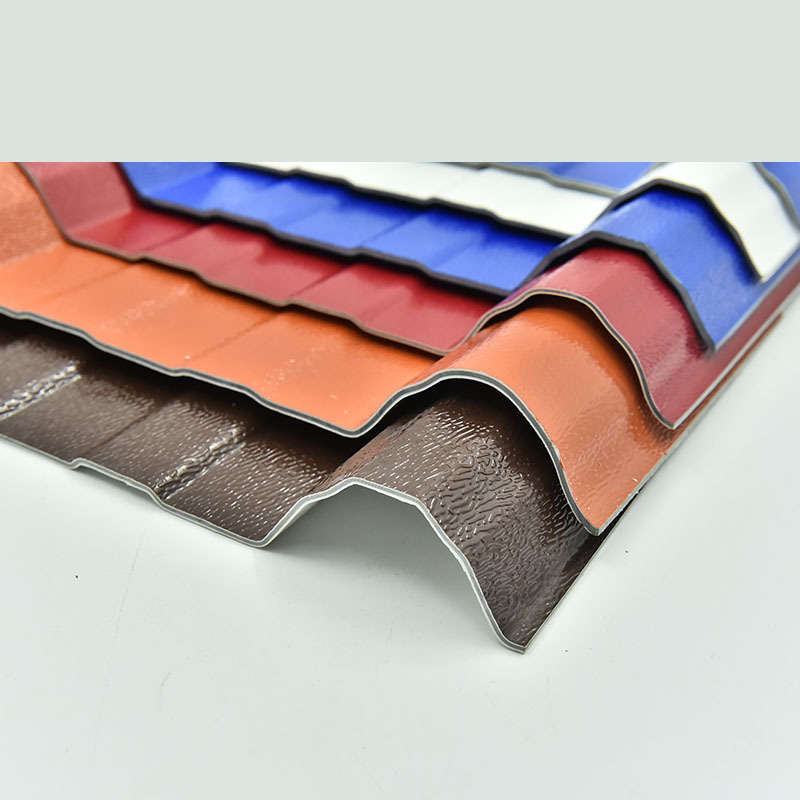
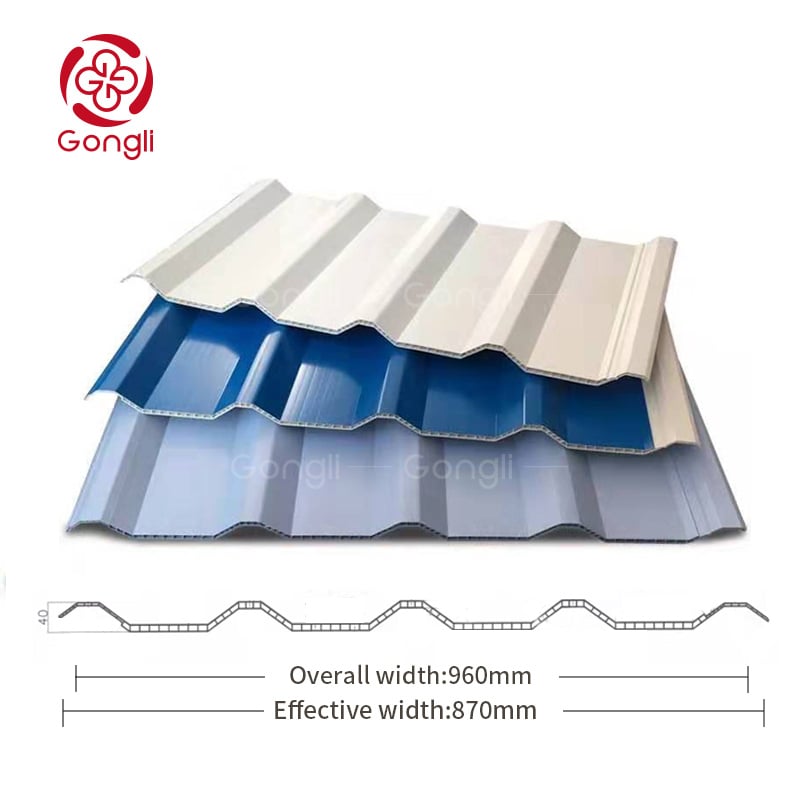
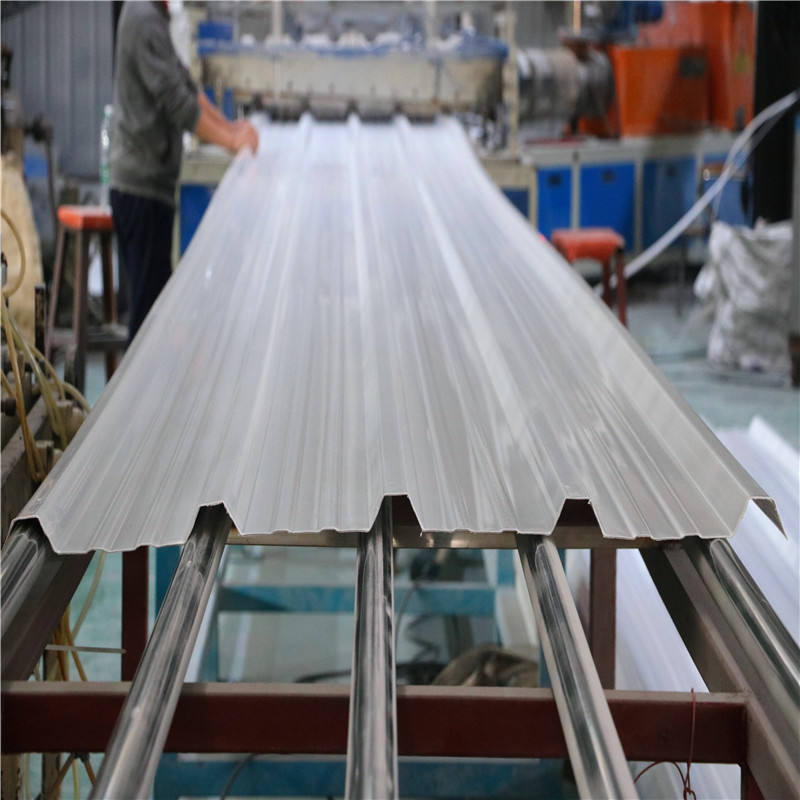
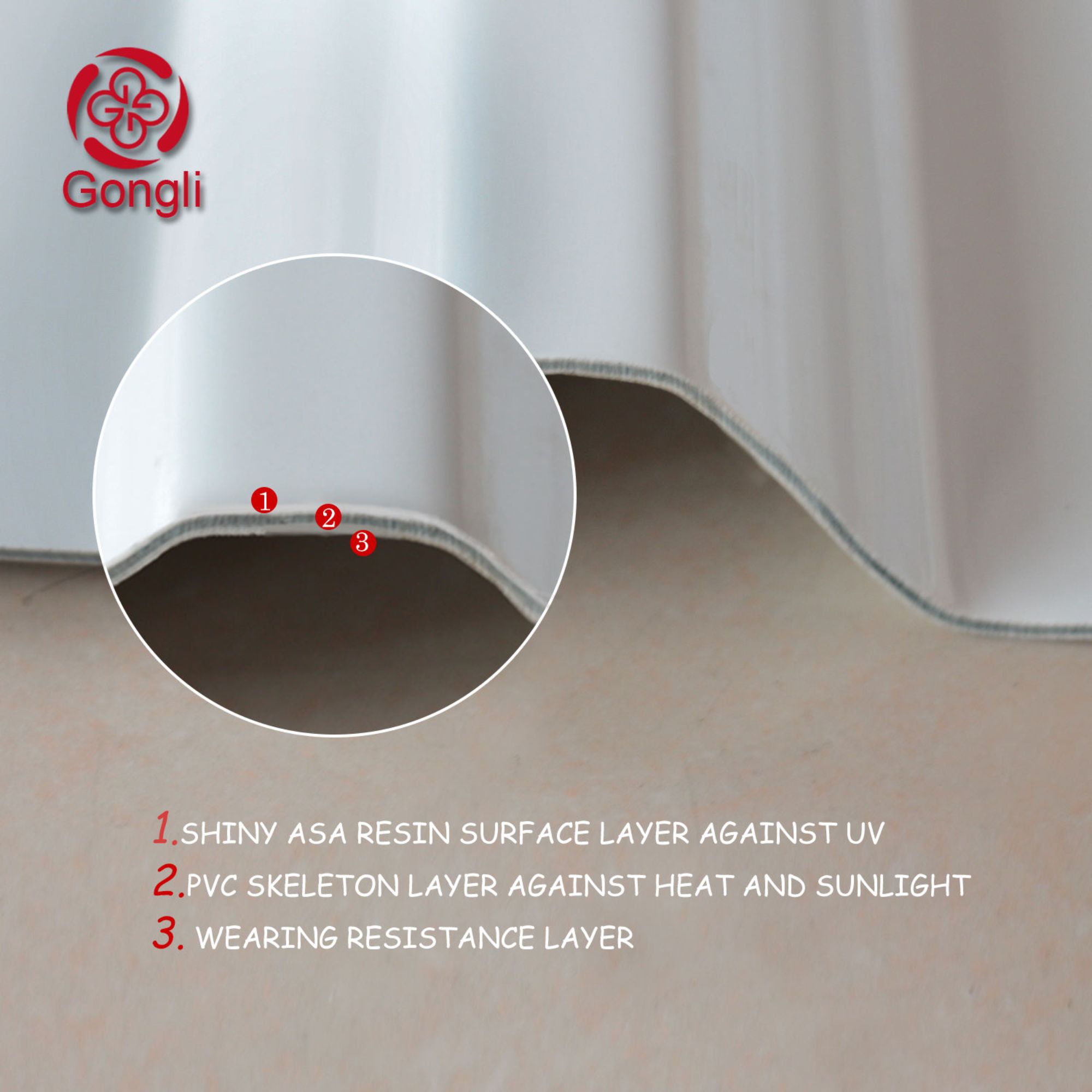
Roofing tiles are commonly manufactured using co-extrusion. An ASA surface layer is combined with a substrate, which may be modified PVC or another polymer depending on the product design. This creates a tile with a smooth, dense surface layer and a substrate that provides structural support.
Certain ASA formulations may offer good resistance to specified aqueous salt solutions, weak acids and alkalis. However, chemical compatibility must be confirmed for the actual chemicals, concentrations, temperatures, contact durations and mechanical stress conditions expected in service.
ASA can exhibit low water absorption and good dimensional stability, depending on the specific formulation and product construction. In humid environments, this can support stable overlap performance, provided the roofing system is correctly designed and installed. It does not eliminate the need for appropriate fasteners, sealants, drainage and maintenance.
Key Performance Characteristics in Application
When comparing roofing materials for chemical plants, several factors beyond initial chemical resistance should be considered. These include structural requirements, roof assembly design, installation quality and long-term maintenance.
Chemical and UV Resistance
A primary advantage of ASA is its weatherability. The acrylic rubber phase contributes to UV stability, helping the material retain appearance and mechanical properties under outdoor exposure. ASA may therefore be a suitable candidate where resistance to specified acids, alkalis or salts is required, subject to concentration, temperature and exposure-duration limits.
Solvent exposure requires particular care. Compatibility varies by ASA grade and by the specific solvent, so project teams should request supplier compatibility data or conduct testing under representative conditions.
Structural Load and Weight
ASA synthetic resin tiles are generally lighter than many traditional roofing materials, although exact weight depends on product thickness, profile, effective coverage area and accessories. Lower roof weight can be helpful in retrofit projects where the existing steelwork has limited spare load capacity.
Before specification, confirm the product’s technical datasheet weight, purlin spacing, wind-uplift requirements and the load capacity of existing roof structures. Do not rely on generic material-category weight ranges.
Thermal and Acoustic Behavior
Polymer roofing assemblies can provide different thermal behavior from bare metal roofing. Depending on the tile profile, thickness, color, roof construction and ventilation, an ASA roofing system may help moderate temperature fluctuations and reduce condensation risk.
These benefits should be assessed at the roof-system level rather than attributed to the ASA resin alone. For projects where condensation control is important, review insulation, ventilation, vapor control and drainage together with the roofing material selection.
What Procurement Teams Should Weigh
Choosing roofing for a chemical plant requires a lifecycle approach that looks beyond the initial purchase price.
- Chemical exposure profile: Identify the chemicals present, their concentrations, operating temperatures, contact duration, drainage conditions and whether exposure is continuous or intermittent. Use this information to request product-specific compatibility data.
- Structural load capacity: Confirm the actual product weight, purlin spacing, beam capacity and wind-uplift requirements. Reinforce the structure where necessary.
- Installation quality: Follow manufacturer guidance for fasteners, overlaps, sealants, cutting and thermal movement. Avoid over-tightening fasteners, which can create stress points.
- Long-term availability: Confirm that sheets, flashings, fasteners and accessories will remain available in matching specifications for future repairs or extensions.
- Lifecycle cost: Consider initial cost together with maintenance, repair frequency, replacement risk and potential production downtime.
A supplier such as Gongli, a China-based manufacturer of PVC and ASA roofing materials, should be able to provide product technical data, raw-material information, production-control details and guidance on suitable applications. A supplier that clearly explains both the advantages and limitations of ASA roofing for the project’s chemical exposure conditions is generally a safer long-term partner.
Recommended Products
Hot News
-
How to choose the right roof tile
2024-01-24
-
PVC Plastic Tiles: The Ideal Roofing Material
2024-01-24
-
The Essentials of Synthetic Resin Tile Manufacturing
2024-01-24