EN
 AR
 BG
 HR
 CS
 DA
 NL
 FI
 FR
 DE
 EL
 HI
 IT
 JA
 KO
 NO
 PL
 PT
 RO
 RU
 ES
 TL
 IW
 ID
 LT
 VI
 TH
 TR
 AF
 MS
 KM
 LO
 MY

How ASA Synthetic Resin Roof Tiles Can Support Chemical Corrosion Resistance
For industrial facilities, agricultural buildings, and coastal projects, roofing longevity often depends on how well the roofing system handles its actual chemical exposure. Corrosion-related repair, replacement and production downtime can become significant operational costs.
ASA synthetic resin roof tiles can be a practical option for selected applications, but their suitability depends on the chemicals present, their concentrations, temperatures, contact durations and the design of the complete roofing system.
Understanding the Material
ASA, or acrylonitrile styrene acrylate, is an engineering thermoplastic used in outdoor applications where weather resistance and appearance retention are important. Its performance comes from the combined structure of its styrene-acrylonitrile phase and acrylic rubber phase, together with the stabilizers and pigments used in a specific formulation.
ASA may offer useful resistance to certain acids, alkalis and salt solutions under defined exposure conditions. However, chemical compatibility must be confirmed for the actual service environment. Solvents, concentrated oxidizers, hot caustic solutions and other aggressive chemicals can affect ASA differently depending on the grade and exposure conditions.
High-quality ASA formulations may not contain migratory plasticizers, but this alone does not determine chemical resistance. Material selection should be based on supplier technical data and, where necessary, compatibility testing under representative conditions.
Environmental Exposure
Industrial, agricultural and coastal environments can expose roofing to moisture, chemical dust, fumes, salt spray and temperature cycling. These factors may affect metal panels, fasteners, coatings, cement-based products, asphalt-based products and polymer roofing in different ways.
ASA is a non-metallic material and does not rust like galvanized steel. However, the roofing system as a whole still requires appropriate corrosion protection. Fasteners, structural steel, flashings and drainage components must be selected and maintained for the project environment.
Co-Extrusion and Barrier Integrity
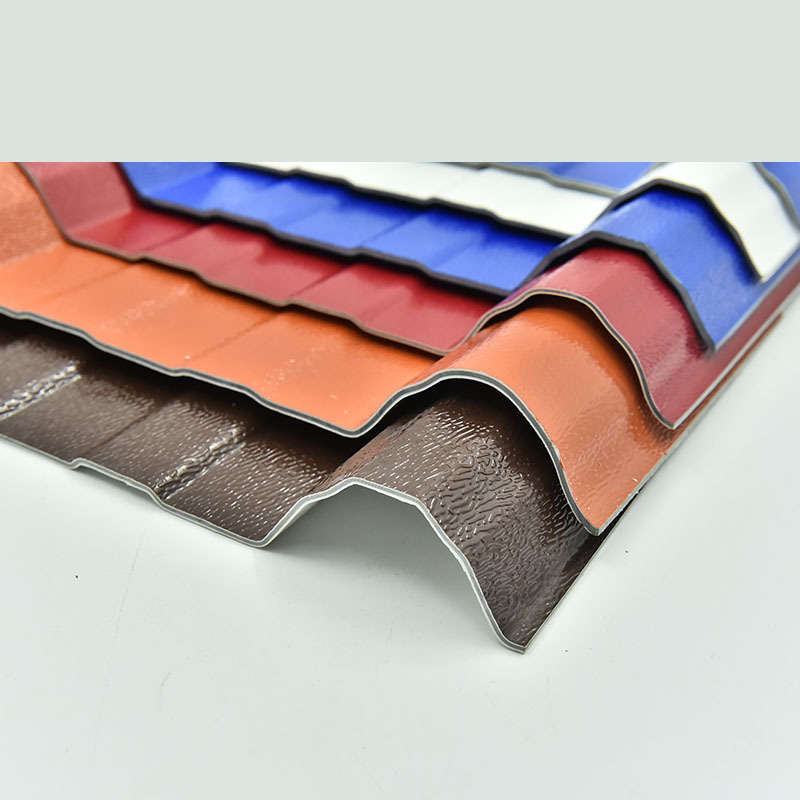
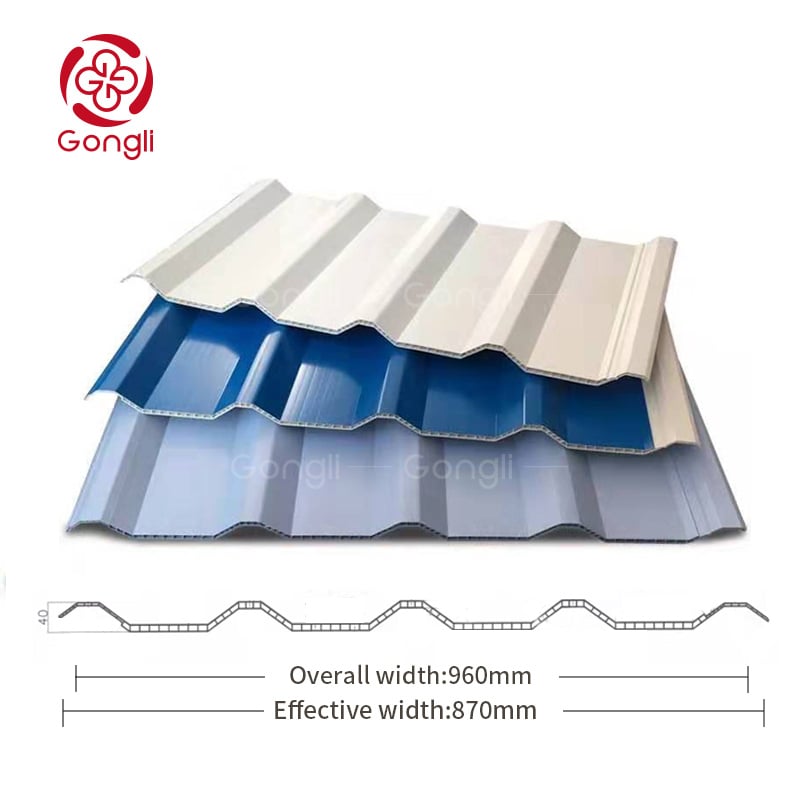
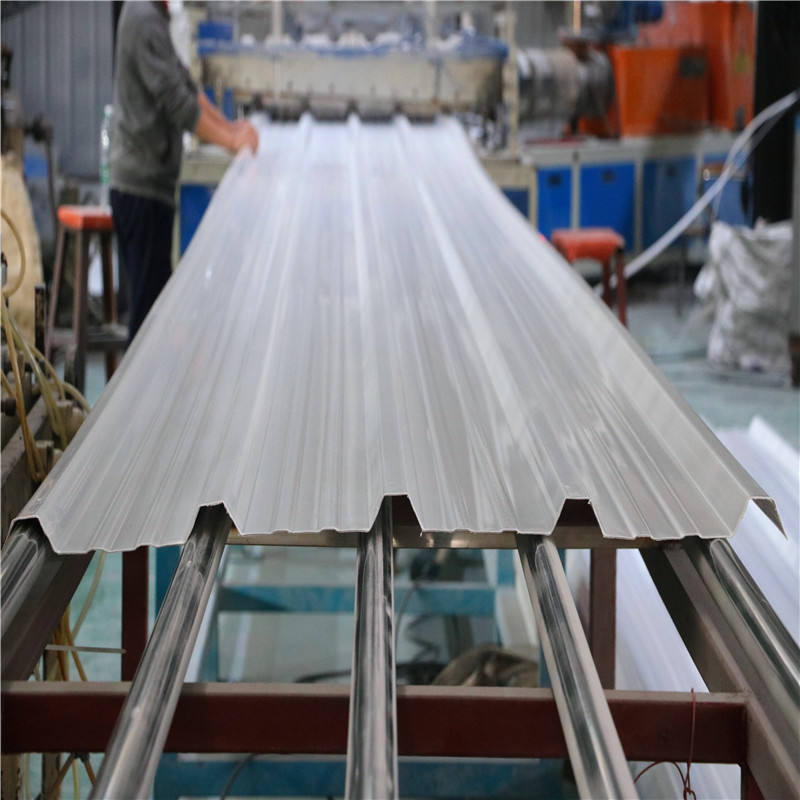
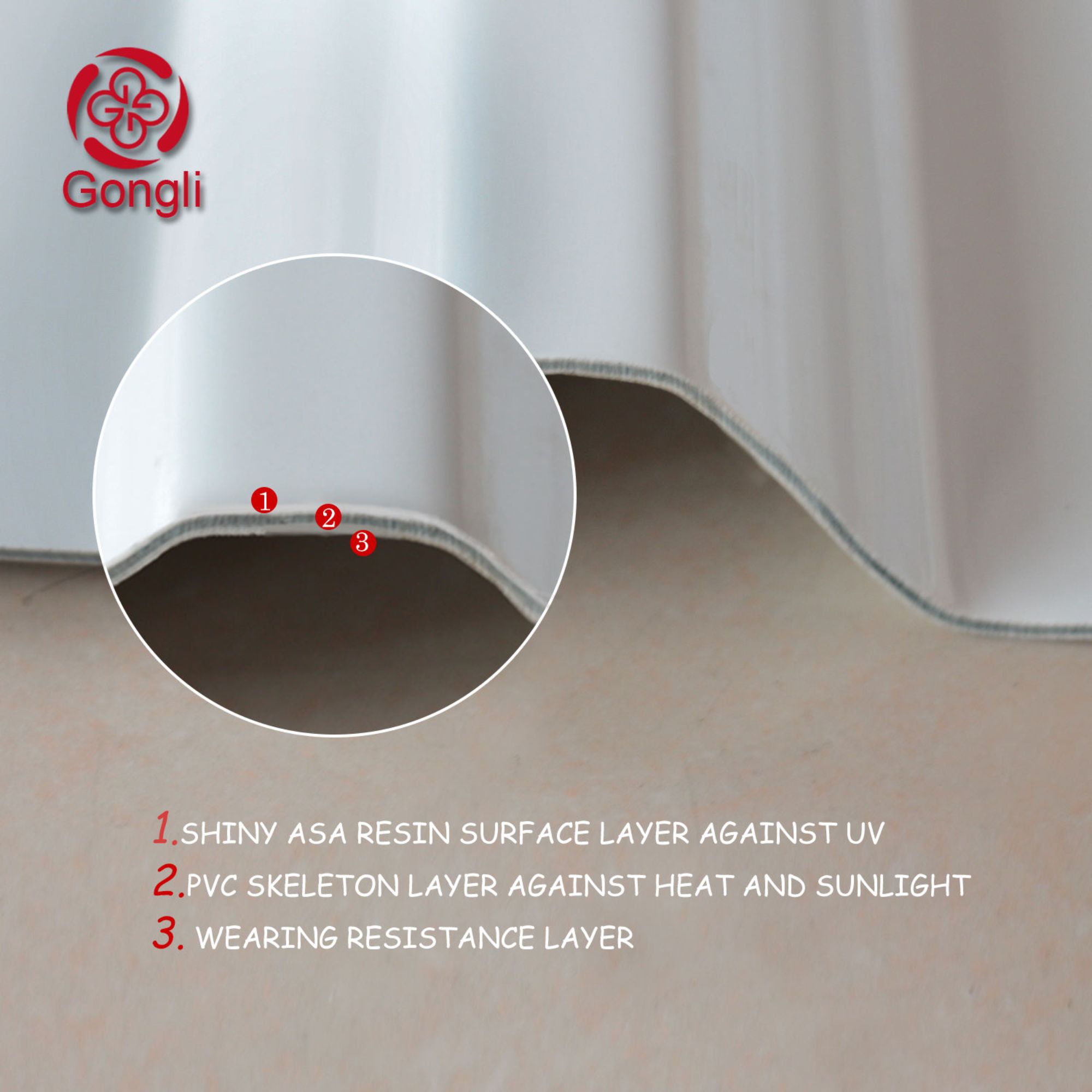
Many ASA synthetic resin roof tiles are manufactured using a multi-layer co-extrusion process. A typical construction includes an ASA weatherable surface layer, a structural substrate and, depending on the product, an intermediate or bottom layer.
The long-term performance of the tile depends on the ASA grade, stabilizer package, pigment system, layer thickness consistency, bonding quality and production control. A thin, uneven or poorly fused surface layer may create localized weak points. Specifiers should ask for the manufacturer’s specified ASA layer thickness and quality-control information.
A smooth surface can help shed water and reduce dirt retention, but it does not eliminate the need for regular inspection and cleaning.
Comparing Roofing Materials
Direct material comparisons are complex because performance depends on the specific chemical, concentration, temperature, contact duration, mechanical stress and installation details.
Selection factor |
What to verify |
Acid, alkali and salt exposure |
Chemical type, concentration, temperature, contact duration and drainage |
Solvent exposure |
Compatibility data for the exact ASA product and solvent |
UV and weathering |
ASTM G154 or ISO 4892 test conditions, exposure duration and properties measured |
Moisture and condensation |
Water absorption, dimensional stability, overlap sealing and ventilation |
Structural load |
Product weight, purlin spacing, wind uplift and existing steelwork capacity |
Service life |
Maintenance plan, chemical exposure control, installation quality and warranty terms |
This table is intended as a specification guide, not a substitute for project-specific chemical compatibility testing.
Industrial Retrofit Considerations
In a retrofit scenario, corroded metal roofing may be replaced with ASA synthetic resin tiles while retaining the existing steel structure. This can address deterioration of the roof covering, but it does not remove the need to protect structural steel, fasteners and connections.
Before specification, review the existing purlin spacing, beam capacity, wind-uplift requirements, drainage design and chemical exposure profile. In some projects, additional purlins or revised fixing details may be required.
Limitations and Specification Criteria
ASA synthetic resin roof tiles are not immune to every chemical. Concentrated oxidizing acids, hot caustic solutions and certain organic solvents can damage ASA over time. UV exposure, thermal cycling and chemical contact may also act together and accelerate aging.
Procurement teams should ask suppliers:
- What is the specified ASA cap-layer thickness and tolerance?
- Can you provide chemical-resistance data for the chemicals used at our facility?
- Can you provide accelerated weathering data based on ISO 4892 or another recognized method?
- What warranty coverage applies to color stability and chemical exposure?
- What installation, fastening and maintenance requirements apply?
For suitable industrial, coastal and agricultural applications, a properly formulated co-extruded ASA tile can balance weatherability, selected chemical resistance, weight and cost. An established manufacturer such as Gongli, which has focused on PVC and ASA roofing materials for more than two decades, should be able to explain both the advantages and limitations of its products for a specific project.
Recommended Products
Hot News
-
How to choose the right roof tile
2024-01-24
-
PVC Plastic Tiles: The Ideal Roofing Material
2024-01-24
-
The Essentials of Synthetic Resin Tile Manufacturing
2024-01-24