EN
EN
 AR
AR
 BG
BG
 HR
HR
 CS
CS
 DA
DA
 NL
NL
 FI
FI
 FR
FR
 DE
DE
 EL
EL
 HI
HI
 IT
IT
 JA
JA
 KO
KO
 NO
NO
 PL
PL
 PT
PT
 RO
RO
 RU
RU
 ES
ES
 TL
TL
 IW
IW
 ID
ID
 LT
LT
 VI
VI
 TH
TH
 TR
TR
 AF
AF
 MS
MS
 KM
KM
 LO
LO
 MY
MY

What are the color retention properties of ASA PVC roof sheet?
Every roof looks perfect on the day of installation. That pristine, uniform color is a satisfying moment for any project manager or building owner.
The real test, however, begins around the third summer.
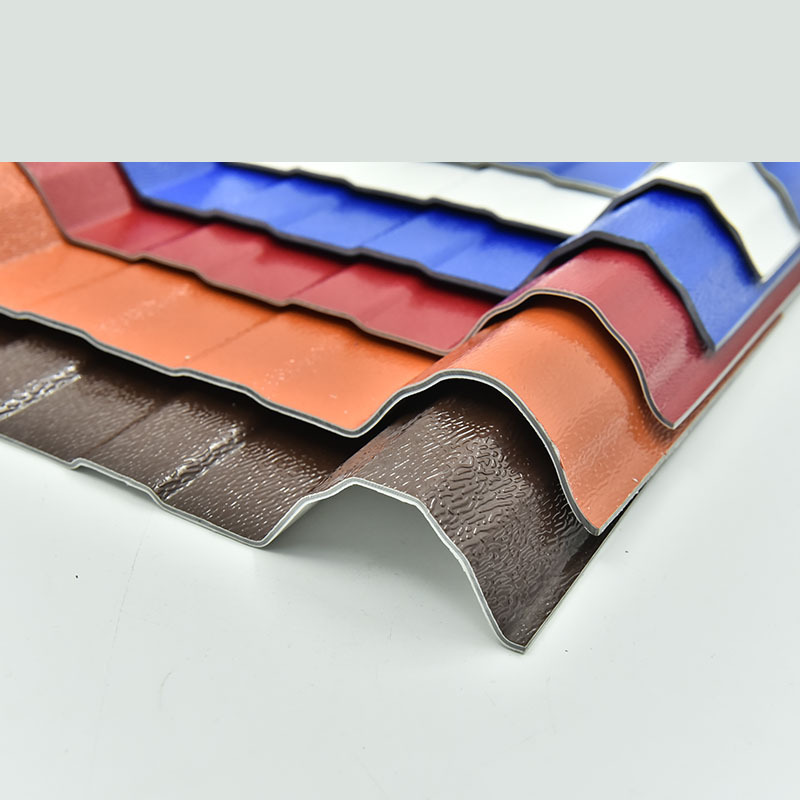
A sheet that was once a deep terracotta can start looking washed-out and pink. A vibrant blue can fade to a dull grey. Once this color shift begins, the entire building can appear neglected, even if the roof structure is perfectly sound. This is where understanding ASA PVC roof sheet color retention becomes critical.
The Crucial Role of the Three-Layer Structure
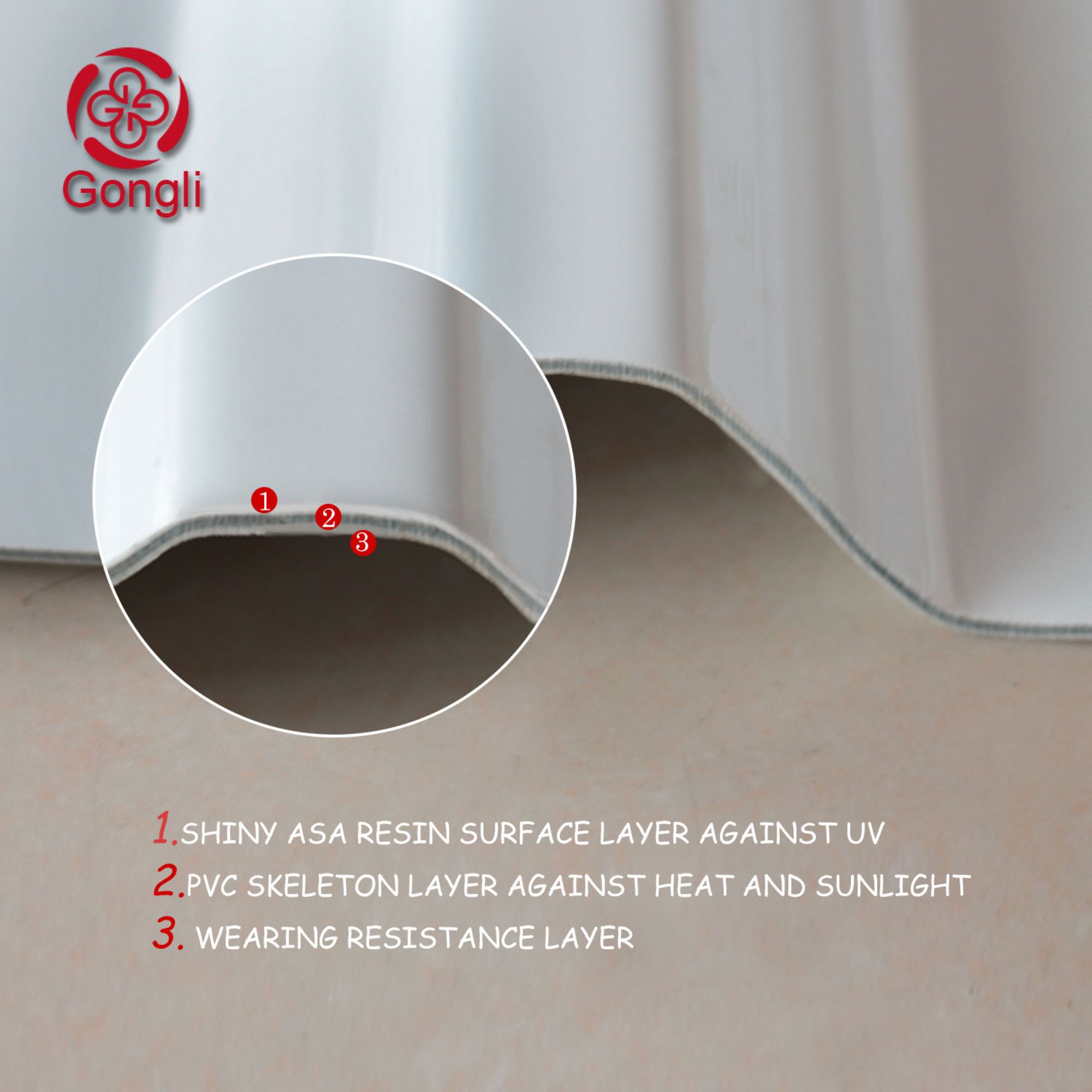
A high-quality ASA PVC roof sheet is a composite product, typically engineered with three distinct layers co-extruded together.
It is not a simple, single-material sheet. Each layer has a specific job in ensuring both structural integrity and long-term appearance.
- The ASA Cap Layer: This top surface is the primary defense against the elements. Made from Acrylonitrile Styrene Acrylate, its main purpose is to resist ultraviolet (UV) radiation from the sun. Reputable manufacturers use virgin ASA resin from qualified suppliers to help ensure consistent quality.
- The Intermediate Layer: This middle layer often serves as a bonding agent, helping the ASA cap and PVC substrate adhere securely. Depending on the product design, it may also contribute to impact resistance or sound reduction.
- The PVC Substrate: The bottom layer is made from Polyvinyl Chloride and provides the sheet’s strength, stiffness, and structural integrity at an effective cost.
The quality of the co-extrusion process, which fuses these layers together, is more important than many buyers realize. A poor bond or inconsistent ASA cap-layer thickness can lead to premature delamination or patchy fading.
Key Factors in Real-World Fading and Chalking
While lab tests provide a baseline, the actual performance of a roofing sheet depends on its real-world environment. Several factors influence the rate of ASA PVC roofing sheet fading over time.
UV Exposure and Climate
The intensity of UV radiation is one of the biggest factors. A roof in a high-altitude location or a region with intense, year-round sun faces a tougher challenge than one in a milder, overcast climate. Strong sun combined with frequent rain can also accelerate surface aging.
Pigment Quality
The pigments mixed into the ASA layer are critical. Inorganic pigments, such as mixed metal oxides, generally offer better thermal stability and UV resistance than many organic pigments. This is especially important for stable deep colors such as terracotta, red, and dark blue.
A word of caution for specifiers: the most vibrant color on a sample chip is not always the most durable one. Long-term performance should be prioritized over initial appearance.
Surface Contamination
In industrial zones or dusty areas, airborne pollutants can settle on the roof surface. Over time, this grime may become difficult to remove and can be mistaken for color fading or ASA PVC roof sheet chalking. The color underneath may still be stable, but a dirty surface makes the entire roof appear dull.
Understanding Laboratory Weathering Tests
Manufacturers use accelerated weathering tests to compare roofing formulations under controlled conditions. These tests compress long-term exposure into a shorter laboratory timeframe.
- ISO 4892-2: This method uses a xenon-arc lamp to expose samples to controlled light, heat, and moisture. It is widely used to simulate aspects of outdoor sunlight exposure.
- ASTM G154: This practice uses fluorescent UV lamps. It is useful for quality control and comparing the relative durability of formulations, although it does not reproduce the full solar spectrum in the same way as xenon-arc testing.
- ASTM D2244: This standard provides methods for calculating color difference. The result is expressed as Delta E (ΔE). A lower ΔE value generally indicates less color change from the original sample.
Laboratory results are valuable for comparing formulations, but they are not a direct prediction of service life in years. A low ΔE value in a xenon-arc test indicates good color stability under the specified test conditions; it cannot fully replicate the variables of a particular installation site.
Practical Limitations of Color Retention
Even high-quality ASA PVC sheets have limitations, and specifiers should set realistic expectations. No colored roofing product is completely immune to change over many years.
Dark colors absorb more heat than light colors, and increased thermal stress can contribute to faster surface aging. Cut edges and fastener penetrations are also potential weak points: the exposed PVC substrate does not receive the same protection as the ASA cap layer, so correct installation and sealing are important.
Roof design matters as well. On low-slope roofs, standing water or trapped leaves can cause uneven staining from dirt or biological growth. This is a maintenance issue and should not automatically be interpreted as color fade.
How to Specify for Long-Term Color Stability
To assess long-term performance, look beyond the color chip and the price per square meter.
Ask potential suppliers detailed questions about their manufacturing process and quality-control system. This is the most practical way to evaluate ASA PVC roof sheet color retention.
Key questions include:
- What is the specified ASA cap-layer thickness for the product?
- Do you use virgin ASA resin from qualified suppliers?
- Can you provide weathering test data based on a recognized ASTM or ISO method?
- How do you control batch-to-batch color consistency?
- Can you provide technical data for the complete roofing system, including accessories and fasteners?
For large projects, request that sheets, flashings, accessories, and fasteners come from the same manufacturer or a coordinated supply chain. This helps ensure that the roofing system ages consistently.
A supplier such as Gongli, a China-based manufacturer of PVC and ASA PVC roof sheets, should be able to provide clear information on raw-material sourcing, production controls, and testing protocols. A partner that can explain cap-layer design, pigment selection, and batch control is generally a safer choice for long-term appearance and value.
Recommended Products
Hot News
-
How to choose the right roof tile
2024-01-24
-
PVC Plastic Tiles: The Ideal Roofing Material
2024-01-24
-
The Essentials of Synthetic Resin Tile Manufacturing
2024-01-24