EN
EN
 AR
AR
 BG
BG
 HR
HR
 CS
CS
 DA
DA
 NL
NL
 FI
FI
 FR
FR
 DE
DE
 EL
EL
 HI
HI
 IT
IT
 JA
JA
 KO
KO
 NO
NO
 PL
PL
 PT
PT
 RO
RO
 RU
RU
 ES
ES
 TL
TL
 IW
IW
 ID
ID
 LT
LT
 VI
VI
 TH
TH
 TR
TR
 AF
AF
 MS
MS
 KM
KM
 LO
LO
 MY
MY

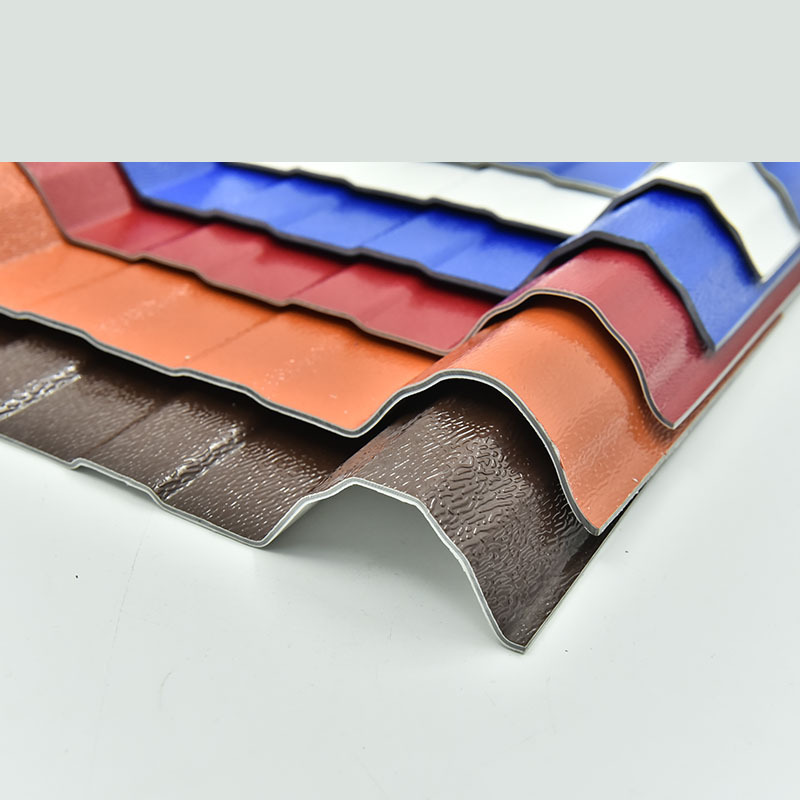
What are the benefits of twinwall PVC hollow sheets?
Superior Thermal Insulation and Energy Efficiency
Twinwall PVC sheets really stand out when it comes to keeping buildings warm or cool because of how they're built. These sheets have these little air pockets between them that act kind of like insulation. Tests show they cut down on heat moving through them by around half compared to regular single layer stuff. When we look at numbers, twinwall gets an R rating somewhere between 1.8 and 2.5 for every 10mm thick, which beats both polycarbonate sheets that score about 1.3 and plain old single layer PVC at just 1.0 according to some tests back in 2020. People who run greenhouses tell us their heating bills drop anywhere from 25% to maybe even 35% less in cold weather months. Plus those sealed spaces inside stop hot air from bouncing around so much and help prevent moisture buildup too, making sure temperatures stay pretty consistent all year long inside whatever structure they're installed in.
Lightweight Design and Easy Installation for Construction Efficiency
Strength-to-weight ratio as a key factor in roofing and cladding projects
Twinwall PVC Hollow Sheets bring together strong structural properties with surprisingly light weight, giving them a better strength to weight ratio than both corrugated metal sheets and polycarbonate panels. Because of this combination, they work really well for things like roof coverings and exterior wall cladding where buildings need to hold up under pressure but wouldn't want to overload the supporting framework. When installed across big spaces like warehouses or industrial facilities, these sheets mean contractors don't have to install all sorts of extra supports just to keep everything stable. And despite being lightweight, they stand up pretty well against harsh weather conditions too, holding their own against heavy snow accumulation and strong winds without breaking down over time.
Installation efficiency in large-scale signage and display panels
These panels weigh around 1.5 to 2.5 kilograms per square meter, making them pretty straightforward to work with during installation. Most teams find they don't need any fancy lifting gear for handling the standard 4 meter by 1 meter sheets either. Two people working together can get these moved around quite easily. The modular nature of the design really speeds things up when putting them together on site. Some recent studies in the construction industry have actually found that installation times drop by about forty percent compared to traditional approaches. This means real savings on labor expenses and projects tend to wrap up much faster than expected.
Reduction in structural support requirements due to low material weight
The minimal dead load of Twinwall PVC enables lighter substructures using reduced-gauge steel or aluminum, lowering material and foundation expenses—by up to 25% in multi-story buildings compared to concrete-based systems. Pre-drilled mounting points ensure precise alignment across complex façades or partition walls, further streamlining construction.
Exceptional Durability and Weather Resistance in Harsh Conditions
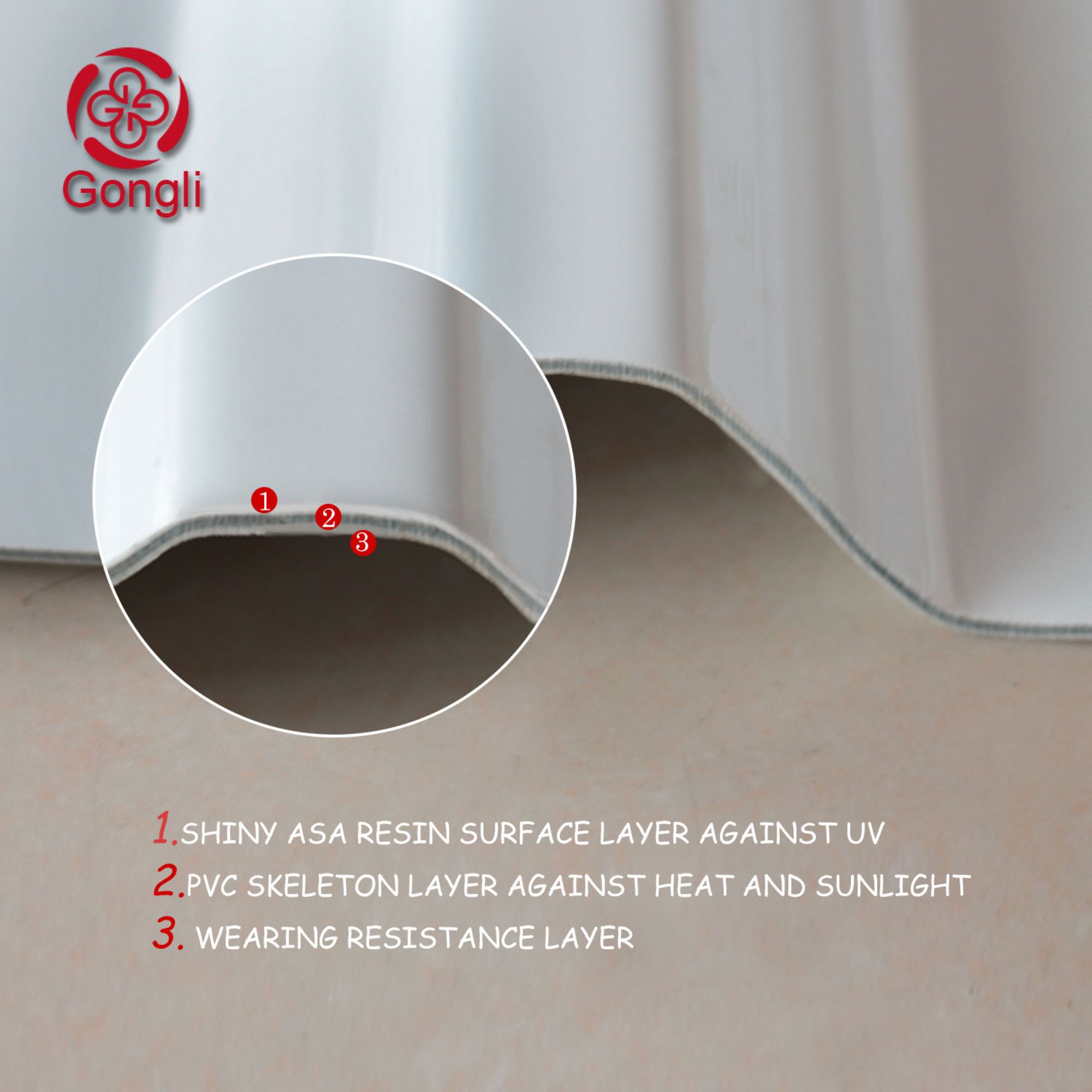
Twinwall PVC Hollow Sheets are engineered for long-term resilience in extreme environments, resisting temperature swings, moisture, UV exposure, and physical impact better than many traditional building materials.
Impact Resistance and Weather Resistance Under Extreme Conditions
The multi-wall configuration absorbs shocks from hail and debris that typically fracture single-layer glazing. UV-stabilized formulations prevent embrittlement, maintaining structural integrity across temperatures from -30°C to 70°C without warping or cracking.
Moisture and Mold Resistance of PVC Materials in Humid Climates
PVC’s non-porous surface prevents water absorption, eliminating conditions conducive to mold growth. Research shows it maintains dimensional stability in 95% humidity, outperforming organic composites by 75% in moisture resistance tests.
Long-Term Performance Data From Outdoor Cladding Installations
Accelerated aging simulations mimicking 15 years of coastal exposure reveal less than 3% deviation in critical performance metrics. Field studies in hurricane-prone areas confirm 97% retention of original impact resistance after eight years of continuous service.
Addressing the Controversy: Perceived Fragility vs. Real-World Durability
Despite assumptions about plastic degradation, real-world data shows Twinwall PVC retains 91% of its initial tensile strength after UV exposure equivalent to ten years of outdoor use—surpassing typical industry benchmarks for polymer-based construction products.
Optimal Light Transmission with Reliable UV Protection
Balancing Light Transmission and UV Protection in Greenhouse Glazing
Twinwall PVC Hollow Sheets manage to find just the right middle ground when it comes to letting light through while keeping out damaging UV rays. They transmit around 70 to 85 percent of visible light but block about 95% of those harmful UV wavelengths between 380 and 400 nanometers. The secret lies in their multi-layer design which works like a filter system. It stops the high energy photons that can actually hurt plant DNA, yet still lets plenty of PAR light pass through for photosynthesis. Looking at material research, these sheets have a visible to UV transmission ratio of about 15 to 1. That's way better than alternatives like polycarbonate at only 3.5 to 1 or acrylic with its 7 to 1 ratio. For growers concerned about both plant health and energy efficiency, this makes Twinwall PVC a smart choice.
| Material | UV Blocking Efficiency | Visible Light Transmission |
|---|---|---|
| Twinwall PVC Hollow | 95% | 82% |
| Polycarbonate (6mm) | 85% | 88% |
| Glass (Single-Pane) | 60% | 91% |
UV-Stabilized Coatings That Extend Service Life
When plasma deposited UV inhibitors get incorporated into polymers, they create a kind of shield at the molecular level that stops things like fading and yellowing from happening. The nano coatings really hold up well too, keeping about 92 percent of their original light transmission even after ten years under UV rays. That means only around 0.2% gets lost each year compared to those standard PVC materials which lose nearly 1.8% annually. And here's what makes this different from regular surface treatments these days: the protection is actually built right into the material itself so it doesn't wear away over time, maintaining that clear look much longer than traditional methods can manage.
Cost-Effective and Versatile Applications Across Industries
Lifecycle Cost Analysis: Energy Efficiency and Savings in Commercial Buildings
Twinwall PVC Hollow Sheets reduce annual HVAC costs by 19–34% compared to traditional glazing in commercial buildings, according to a 2025 material efficiency study. Their multi-chamber design minimizes thermal bridging and supports compliance with ASHRAE 90.1 standards.
| Cost Factor | Twinwall PVC | Polycarbonate | Glass |
|---|---|---|---|
| Initial Installation | $8.50/sq.ft | $11.20/sq.ft | $14.75/sq.ft |
| 10-Year Maintenance | $1.200 | $2.800 | $4.500 |
| Energy Savings (Annual) | 22% | 14% | 9% |
Low Maintenance Reducing Long-Term Operational Expenses
UV stabilization eliminates the need for recoating in exterior applications. Testing under ASTM G154 Cycle 4 confirms less than 0.5% surface degradation after 15 years in coastal environments, with no mold development even at sustained 85% relative humidity.
Design Flexibility in Partition Walls, Signage, and Modular Construction
The cold formability of these materials means they can be bent to really tight curves, around 30 times their own thickness without any cracks forming according to ISO 178 tests. This opens up all sorts of possibilities for creating those curved architectural elements we see everywhere now from sleek retail display units right down to those modular partitions used in hospitals. And let's not forget about the light transmission factor either. At 82%, these sheets actually satisfy the CIBSE LG7 requirements for proper daylighting in spaces like office pods and factory areas. Architects love this because it helps them hit those green building targets while still getting good illumination throughout the space naturally.
FAQ Section
What is the main advantage of using Twinwall PVC sheets?
The main advantage is their superior thermal insulation and energy efficiency due to the air pocket structure, cutting down heat transfer by up to 50% compared to single-layer materials.
How do Twinwall PVC sheets improve installation efficiency?
Their lightweight design makes them easy to handle and install, often reducing installation times by about 40% compared to traditional materials.
Are Twinwall PVC sheets durable in harsh weather conditions?
Yes, they are engineered to resist temperature swings, moisture, UV exposure, and physical impact, maintaining structural integrity even in extreme environments.
How do these sheets perform in terms of UV protection?
They block about 95% of harmful UV wavelengths while allowing 70-85% of visible light transmission, striking a balance between protection and sufficient light for photosynthesis.
Are Twinwall PVC sheets cost-effective compared to other materials?
Yes, they offer lower installation and maintenance costs, with significant energy savings, making them a cost-effective option for commercial buildings.
Recommended Products
Hot News
-
How to choose the right roof tile
2024-01-24
-
PVC Plastic Tiles: The Ideal Roofing Material
2024-01-24
-
The Essentials of Synthetic Resin Tile Manufacturing
2024-01-24