EN
EN
 AR
AR
 BG
BG
 HR
HR
 CS
CS
 DA
DA
 NL
NL
 FI
FI
 FR
FR
 DE
DE
 EL
EL
 HI
HI
 IT
IT
 JA
JA
 KO
KO
 NO
NO
 PL
PL
 PT
PT
 RO
RO
 RU
RU
 ES
ES
 TL
TL
 IW
IW
 ID
ID
 LT
LT
 VI
VI
 TH
TH
 TR
TR
 AF
AF
 MS
MS
 KM
KM
 LO
LO
 MY
MY

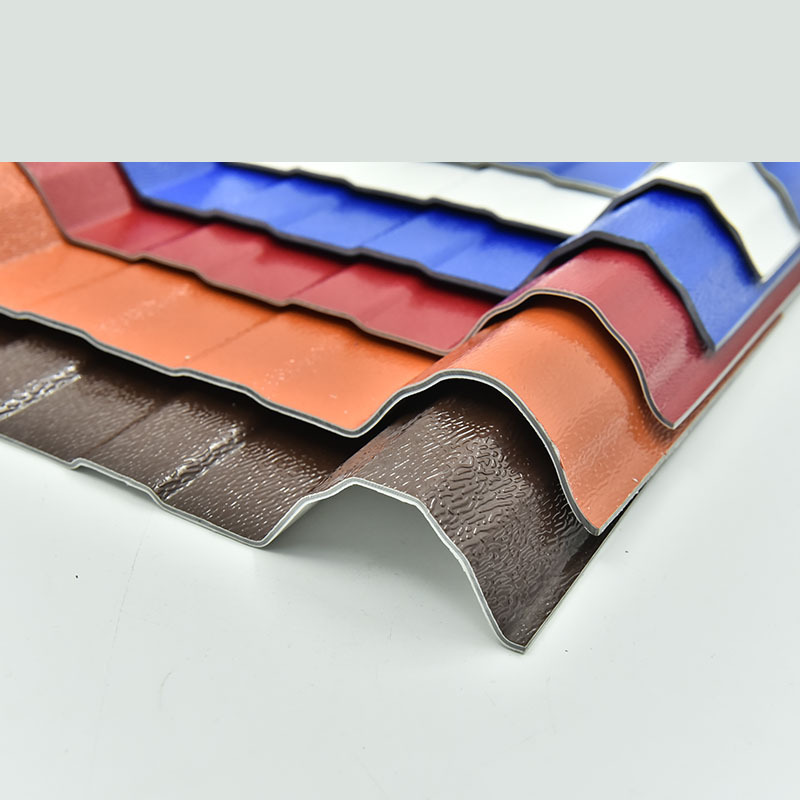
How are ASA synthetic resin roof tiles used in roofing projects?
Understanding ASA Synthetic Resin Roof Tiles: Composition and Key Properties
Chemical composition of ASA synthetic resin and role of PVC in roofing tiles
ASA synthetic resin roof tiles basically consist of three main components: acrylonitrile, styrene, and acrylic rubber polymers. These materials get mixed together and then treated with some pretty good UV stabilizers which makes them last longer than regular ABS plastics we see on roofs today. When manufacturers add PVC or Polyvinyl Chloride into the mix, it actually helps make the tiles sturdier without losing their ability to bend slightly. Tests show these tiles can withstand impacts about 3 times better than what most other polymer blends offer. From a practical standpoint, this special combination gives us something really useful for roofing applications. The material holds up well under stress tests showing around 45 to 50 MPa of tensile strength, plus it stands up against harsh weather conditions year after year without degrading much.
| Property | ASA-PVC Blend | Standard ABS |
|---|---|---|
| UV Degradation (5 yrs) | <5% | 68% |
| Thermal Expansion | 0.08 mm/m°C | 0.15 mm/m°C |
| Load Capacity | 850 kg/m² | 320 kg/m² |
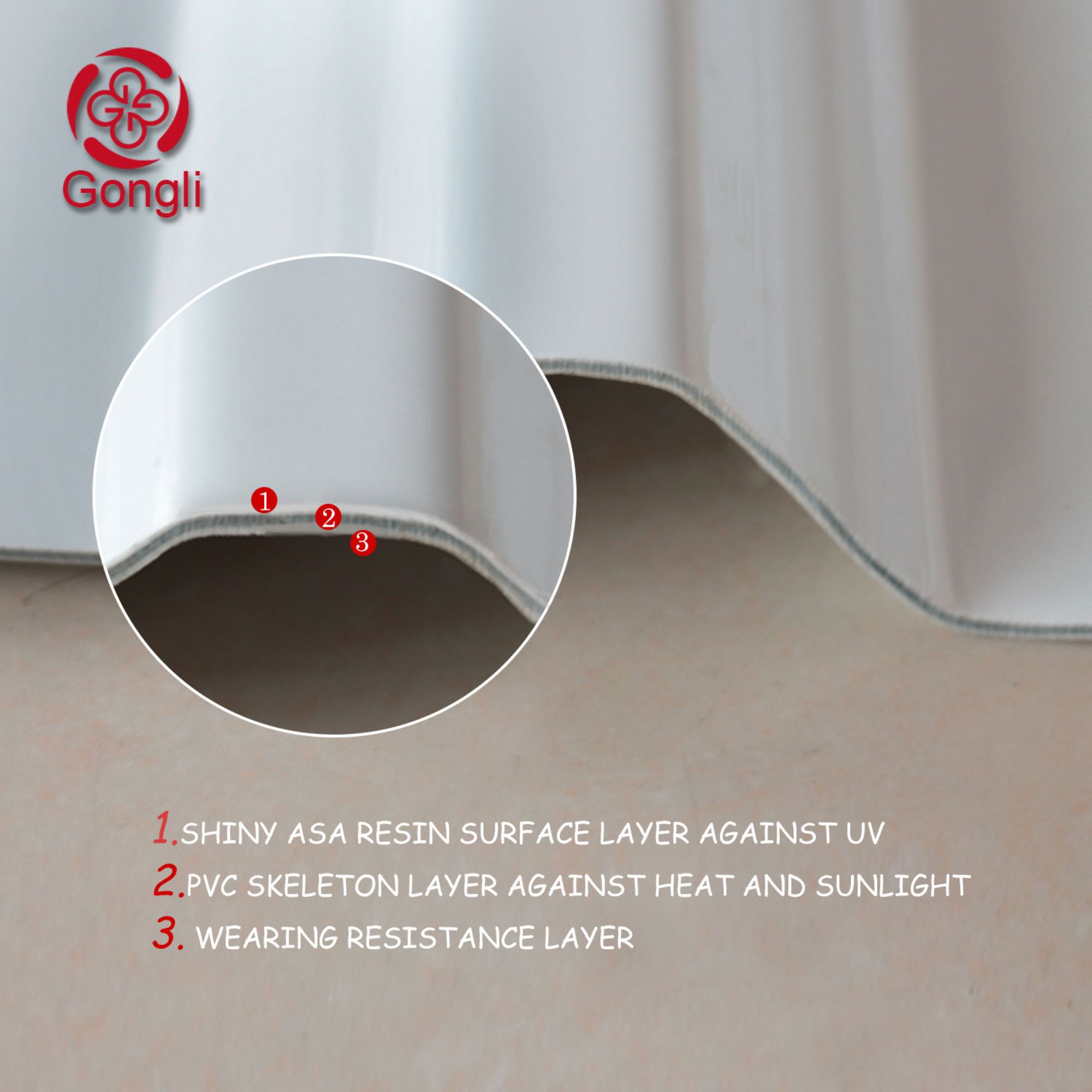
Multi-layer structure for enhanced durability and structural integrity
These tiles feature a patented three-layer design engineered for resilience:
- Surface Layer: 0.5mm ASA resin with UV-absorbing pigments
- Core Layer: 1.2mm PVC-reinforced composite for load distribution
- Base Layer: Fiberglass mesh for dimensional stability
This construction prevents delamination under thermal cycling (-30°C to 120°C) and withstands wind speeds up to 160 km/h, as verified through accelerated weather testing.
Superior UV resistance and long-term color stability in outdoor exposure
ASA resin actually bounces back around 98 percent of those harmful UV rays right at the molecular level because of how the stabilizers bond together chemically. Surface coatings just don't last nearly as long, typically starting to break down after only 2 to 3 years in service. Real world testing along the Florida coast has shown these ASA products keeping their color for 12 full years with barely any fading (color difference measure stays below 1.5). That's way better than what most standard materials can manage, which usually see color changes above 8 on that same scale. And there's another bonus too: the special acrylic rubber in ASA helps fix tiny cracks that form when things expand and contract with temperature changes. This means the material keeps looking good and staying watertight for many, many years without needing constant maintenance.
Key Advantages of ASA Synthetic Resin Roof Tiles in Construction
Lightweight yet High-Strength Design Reduces Building Load and Installation Costs
ASA tiles weigh about three quarters less than traditional clay or concrete options, which means buildings need to support roughly 30 to 50 percent less weight overall. Recent research from construction material experts in 2024 backs this up. What makes these tiles stand out is their special polymer reinforcement that can handle impacts equivalent to what happens when big hail hits at full speed. That kind of durability works well for lighter building frameworks. And because they're so much lighter, installing them typically costs around 20 to 35 percent less money than working with metals or slate. Plus nobody needs fancy heavy machinery just to get the job done right.
Exceptional Weather, Corrosion, and Fire Resistance for Diverse Environments
Engineered with multi-layer ASA-PVC composites, these tiles deliver:
- B1 fire resistance rating (self-extinguishing properties)
- Operational stability from -10°C to 70°C
- Surface layer maintaining 95% color fidelity after 15 years
Independent durability testing confirms zero corrosion after 1,000 hours in salt spray environments-outperforming galvanized steel by 300%. The closed-cell structure prevents moisture absorption, eliminating freeze-thaw damage common in porous materials.
Thermal Regulation and Energy Efficiency Benefits of ASA Roofing Sheets
ASA tiles have a thermal conductivity rating of around 0.21 W/mK, which is about half what asphalt shingles offer at 52% lower. This makes them pretty good at cutting down on cooling needs too, somewhere between 18% to 23% less in those really hot areas. The shiny surface reflects heat away so attics stay cooler too, maybe around 5 degrees Celsius or even up to 8 degrees cooler than regular roofs according to some tests done last year for HVAC systems. Plus there's another benefit worth mentioning here. These materials actually dampen vibrations, reducing outside noises by about 12 decibels. That means people living near busy streets or factories might find their homes significantly quieter and more comfortable overall.
Common Application Scenarios for ASA Synthetic Resin Roof Tiles
Industrial and commercial buildings: durable, low-maintenance roofing solutions
ASA synthetic resin roof tiles work great for places like warehouses, manufacturing plants, and big retail spaces where roofs need to last for years. These tiles have this special layered design that stands up against torrential downpours, harsh chemicals from industrial processes, and those extreme temps we see in factory areas all year round. According to the latest industry data from the 2024 Roofing Materials Report, these tiles install about 30 percent quicker than traditional metal roofing options. That means businesses can get back online sooner after construction or repairs, which saves money and keeps operations running smoothly during projects.
Residential and villa projects with Chinese-style architectural aesthetics
Architects increasingly specify ASA tiles for curved eaves, pagoda roofs, and courtyard homes that blend modern performance with traditional design. The materials superior color retention ensures vibrant reds, blues, and grays remain intact even in humid, high-sunlight climates, preserving heritage-inspired aesthetics over time.
Flat-to-slope roof conversions using lightweight composite tiles
At just 6 kg/m² 80% lighter than clay ASA tiles allow safe retrofitting of aging flat roofs without structural reinforcement. Their corrugated profile channels water 40% faster than conventional flat sheets, making them ideal for upgrading urban buildings into sloped, weather-resistant systems.
Installation Process and Practical Benefits of Corrugated ASA Roofing
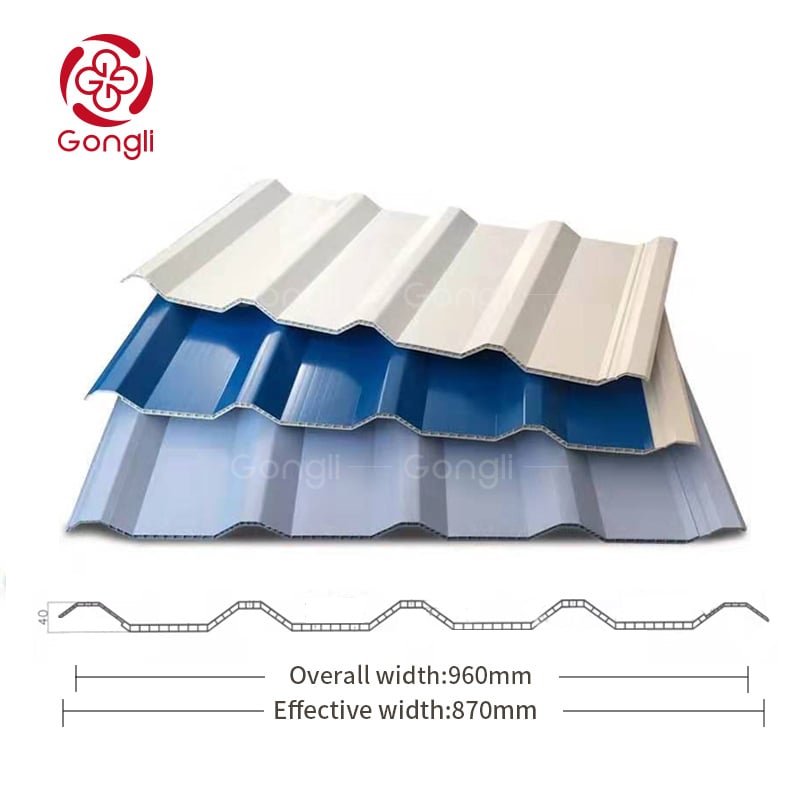
Simple installation techniques for 1050mm ASA-PVC roofing panels
The standardized 1050mm width of corrugated ASA-PVC panels simplifies installation through pre-engineered alignment. Contractors follow a streamlined process:
- Lay underlayment with 10cm overlaps at seams
- Position panels perpendicular to rafters using spacer gauges
- Secure with self-tapping screws at corrugation crests every 30-40cm
Interlocking side laps eliminate complex sealing procedures required for metal roofing, while 15-20cm end overlaps prevent water infiltration at horizontal joints, following industry best practices.
Required tools, accessories, and best practices for secure fitting
Essential tools and components include:
- Cutting tools: Electric nibblers or PVC-rated circular saw blades
- Fasteners: Stainless steel screws with EPDM washers (1 per 0.09m²)
- Safety gear: Non-slip boots and fall arrest systems
Closure strips and ridge caps should match the ASA resins thermal expansion coefficient (0.065 mm/m°C) to prevent warping. Pre-drilling pilot holes 25% wider than screw diameters accommodates seasonal movement across temperatures from -30°C to 70°C, as outlined in material handling guidelines.
Time and labor savings compared to traditional clay or metal roofing
The lightweight nature of these materials at just 3.2 kg per square meter means two workers typically manage around 150 to 200 square meters each day. That's almost twice what someone would get with concrete tiles according to the Roofing Contractors Association from last year. And when it comes to money saved? No need for those expensive metal cutting tools anymore which cuts down equipment expenses somewhere between $1,200 and $1,800 on every job. Maintenance folks have noticed something pretty impressive too. They're seeing about 90 percent fewer adjustments needed after installation than with those old fashioned galvanized steel systems that tend to warp over time.
Lifecycle Performance, Cost-Effectiveness, and Design Flexibility
Low Maintenance Requirements and Long Service Life Under Harsh Conditions
ASA synthetic resin roof tiles require 60% less maintenance than clay alternatives and maintain integrity for over 30 years, even in extreme conditions. Their non-porous surface resists algae growth and chemical corrosion, performing reliably in coastal and industrial environments with high salinity or pollution levels.
Total Cost of Ownership: Reduced Repair and Replacement Expenses Over Time
Lifecycle cost analysis shows ASA tiles reduce long-term roofing expenses by 40%, thanks to durable acrylic-styrene-acrylonitrile matrices that minimize thermal degradation. Unlike metal roofs, they avoid galvanic corrosion risks and surpass standard PVC sheets in UV resistance, maintaining 96% reflectance after 15 years.
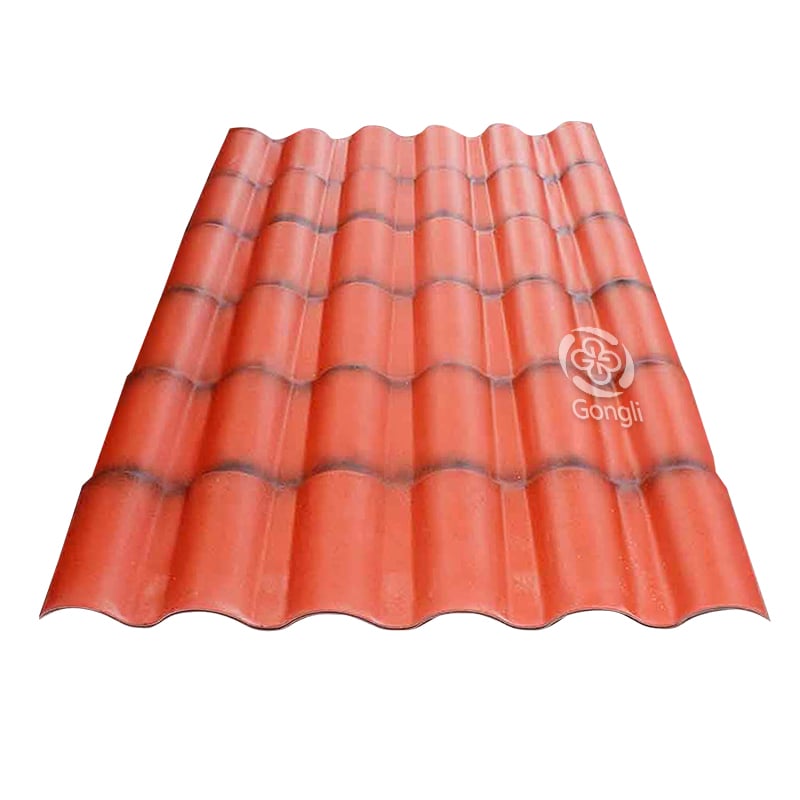
Customizable Colors, Profiles, and Styles Including Spanish and Chinese Roof Designs
ASAs chromatic stability allows architects to replicate historic aesthetics without compromise-from terracotta-style Spanish curves to glazed finishes for Chinese courtyard homes. Five standard profiles (S-wave, Roman, flat, etc.) accommodate roof pitches from 15° to 85°, with custom embossing available for heritage restoration projects.
| Feature | Traditional Clay | Metal Roofing | ASA Synthetic Resin |
|---|---|---|---|
| Lifespan (years) | 25 | 20-35 | 30-40 |
| Maintenance cycle | 3-5 years | 5-7 years | 8-10 years |
| Color fade resistance | Moderate | Low | High |
FAQ
What are ASA synthetic resin roof tiles made of?
ASA synthetic resin roof tiles are composed of acrylonitrile, styrene, and acrylic rubber polymers, reinforced with PVC (Polyvinyl Chloride) for added durability.
How do ASA roof tiles perform in terms of UV resistance?
These tiles exhibit superior UV resistance, reflecting approximately 98% of harmful UV rays and maintaining color stability for over 12 years, much longer than traditional materials.
Are ASA tiles suitable for various climate conditions?
Yes, ASA tiles perform well across diverse environments, exhibiting operational stability between -10°C to 70°C, and withstand wind speeds up to 160 km/h.
What are the cost benefits of using ASA roof tiles?
ASA tiles are lightweight, reducing building load and installation costs by up to 35%. They also incur 40% lower long-term maintenance and replacement expenses compared to traditional roofing materials.
Can ASA roof tiles be customized?
Yes, ASA tiles offer customizable colors, profiles, and styles, including Spanish and Chinese designs, to suit a variety of architectural aesthetics.
Recommended Products
Hot News
-
How to choose the right roof tile
2024-01-24
-
PVC Plastic Tiles: The Ideal Roofing Material
2024-01-24
-
The Essentials of Synthetic Resin Tile Manufacturing
2024-01-24