EN
EN
 AR
AR
 BG
BG
 HR
HR
 CS
CS
 DA
DA
 NL
NL
 FI
FI
 FR
FR
 DE
DE
 EL
EL
 HI
HI
 IT
IT
 JA
JA
 KO
KO
 NO
NO
 PL
PL
 PT
PT
 RO
RO
 RU
RU
 ES
ES
 TL
TL
 IW
IW
 ID
ID
 LT
LT
 VI
VI
 TH
TH
 TR
TR
 AF
AF
 MS
MS
 KM
KM
 LO
LO
 MY
MY

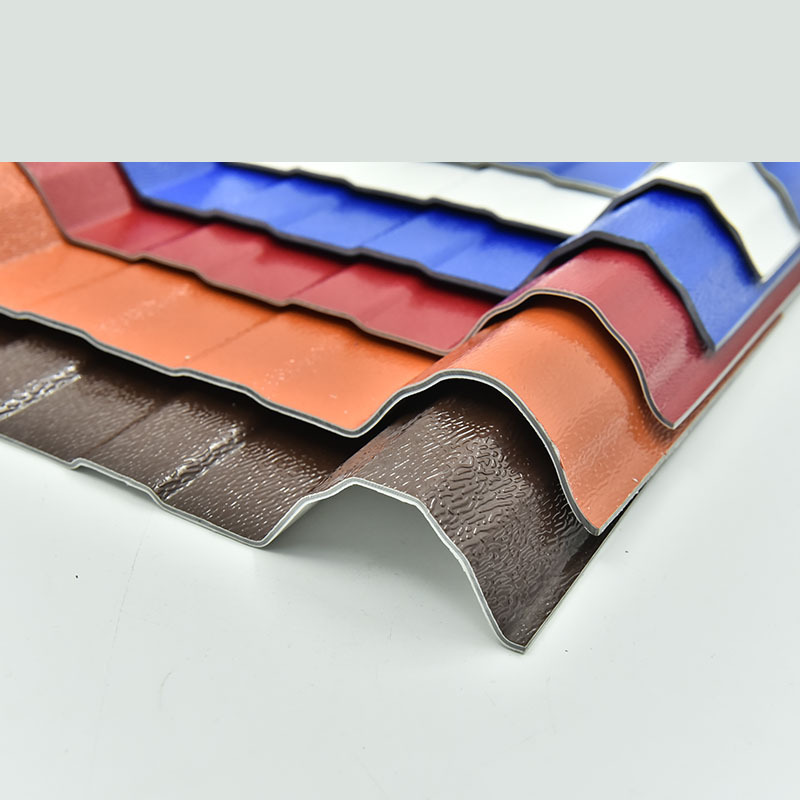
What makes ASA synthetic resin roof tiles popular among users?
Unmatched UV Resistance and Color Stability for Decades
How the ASA polymer matrix prevents photodegradation at the molecular level
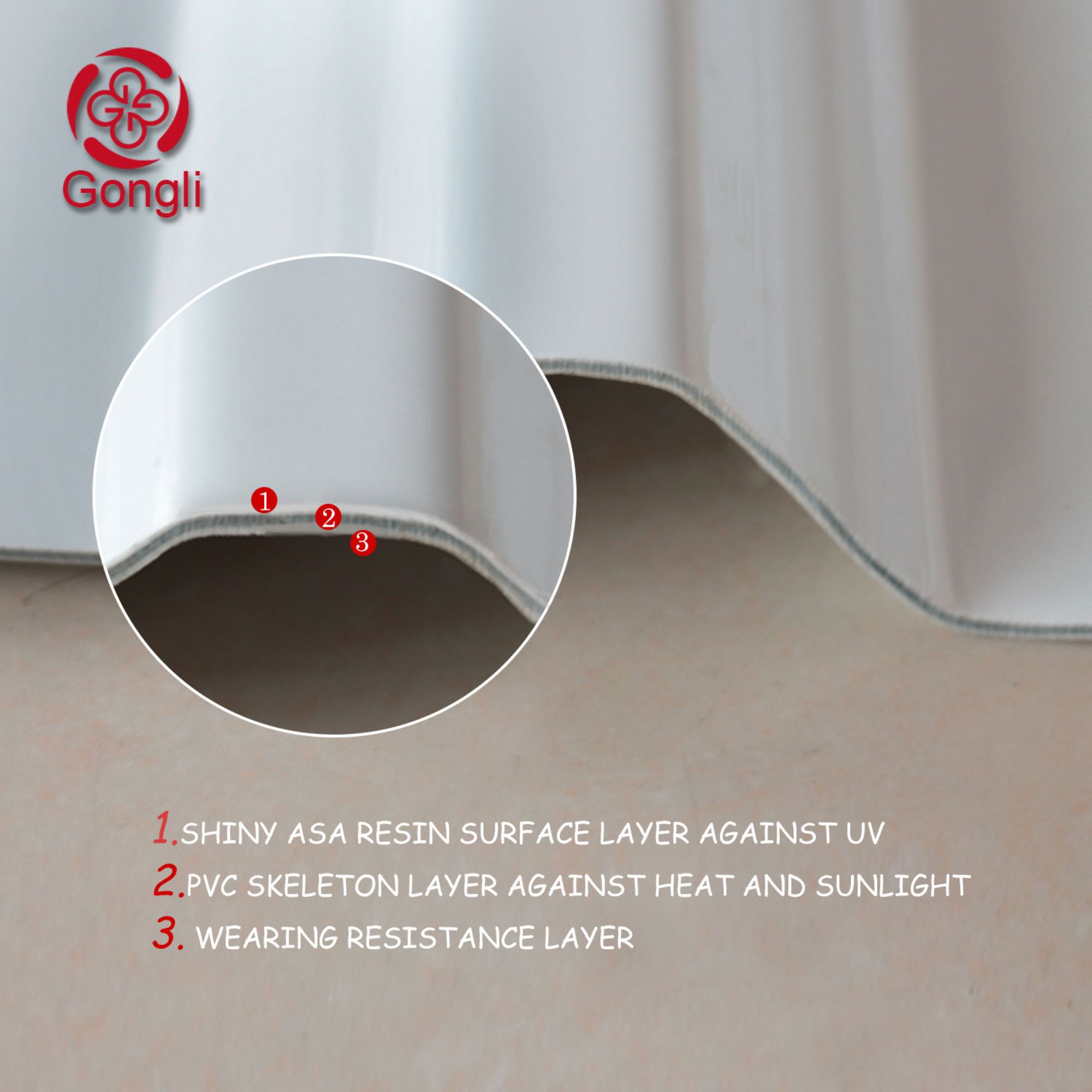
ASA synthetic resin roof tiles stand out for their remarkable resistance to UV damage thanks to clever molecular design. Inside the polymer structure, special UV absorbers work against radiation under 380 nm wavelengths, turning damaging energy into safe heat before it can break important chemical links. What makes these tiles really durable is another component too often overlooked: quenchers that tackle free radicals created when exposed to sunlight. These little warriors stop the chain reactions responsible for those common problems we see with regular roofing materials over time like color loss, surface chalkiness, and material brittleness becoming noticeable after years of sun beating down on them.
Real-world validation: <2% ΆE color shift after 12 years in harsh coastal environments
Real world testing across coastal areas like Florida and parts of the Mediterranean has shown just how tough ASA really is when put through its paces. We've tracked installations for about twelve full years now, all exposed constantly to brutal UV levels averaging around 5,800 kJ per square meter each year plus that salty sea air everyone complains about. When we measure the colors after all that time, the change is barely noticeable - less than 2% according to those ASTM standards. Think about it like looking at two neighboring paint samples side by side; you'd probably never spot the difference. The light reflection properties stay pretty much exactly where they should be too, with ASA keeping over 90% of its original brightness on the surface. Compare this to regular polymer materials or those metal roofs with coatings? They tend to fade away somewhere between 40 to 60% under similar harsh conditions. That makes a big difference in maintenance costs and appearance longevity.
Lightweight Structural Performance Without Compromises
60% lighter than concrete tiles yet exceeding ASTM D3418 tensile strength requirements
ASA tiles come in at about 60 percent lighter compared to traditional concrete options, yet they still meet those tough ASTM D3418 standards for tensile strength. That means contractors can install them right onto existing roofs without needing any extra structural support work. The lighter weight cuts down on both labor hours and shipping expenses too, sometimes saving around 40% on these costs alone. Plus, the material's flexible polymer nature helps stop cracks from spreading when there's movement or shaking involved something that happens during earthquakes or heavy traffic vibrations. Rigid materials tend to just snap apart completely under similar conditions, making ASA a much safer choice for long term installations.
Nano-reinforced ASA cap layer and optimized filler dispersion enable load-bearing efficiency
A nano-engineered cap layer embeds silica nanoparticles within the ASA matrix, creating a multi-scale reinforcement architecture:
- Stress distribution: Nanoparticles anchor covalent bonding networks that redirect mechanical stress away from vulnerable interfaces
- Filler optimization: Precisely graded mineral fillers eliminate weak interfacial zones common in conventional composites
- Energy dissipation: Viscoelastic polymer chains absorb impact energy three times more effectively than standard composites
Accelerated aging tests verify this design retains 95% of original flexural modulus after 50 thermal cycles (40°C to 80°C).
All-Climate Resilience: From Extreme Cold to Fire-Rated Safety
ASA Synthetic Resin Roof Tiles deliver uncompromised performance across extreme environmental conditions combining sub-zero flexibility with certified fire safety. This dual-capability architecture directly addresses two primary failure modes in conventional roofing systems.
Operational reliability across 40°C to 120°C and B1 fire classification per GB 8624
ASA's molecular makeup keeps it flexible even when temps drop to arctic levels, while still standing up to serious deformation in desert heat conditions. It actually passes the tough ASTM D746 test for brittleness at minus 40 degrees Celsius. When things get really hot though, the material contains halogen free phosphorus based flame retardants that create protective char layers once temperatures hit over 300 degrees Celsius. This meets China's strict GB 8624 B1 standards which means it self extinguishes and won't produce any flaming droplets during fires. Independent tests have confirmed something pretty impressive too there was absolutely no cracking after going through 200 complete thermal shock cycles between minus 40 and plus 80 degrees Celsius.
| Resilience Dimension | Performance Metric | Industry Standard |
|---|---|---|
| Thermal Range | 40°C to 120°C operational | ASTM D746 brittleness test |
| Fire Safety | B1 classification (self-extinguishing) | GB 8624 building materials standard |
| Thermal Cycling | 0 failures after 200 cycles | ISO 4892 accelerated weathering |
Balancing flame retardancy and long-term UV integrity in formulation design
The chemistry behind ASA provides good fire resistance while still keeping things stable under UV light. The phosphorus additives work their magic in the gas phase, basically putting out flames before they get going. These additives don't run off to the surface or mess up the UV stabilizers, which is something that happens quite often with brominated systems. When we test how it holds up over time, there's less than 5% loss in tensile strength even after around 4,000 hours of UV exposure. That's actually three times better than what most PVC alternatives can manage. What makes this really cool is that the fire retardants stay put underneath those UV protected surface layers. So buildings stay safe from fires but also look great for years and years without fading or breaking down.
Superior Total Cost of Ownership for Commercial and Residential Projects
ASA synthetic resin roof tiles really stand out when looking at their cost effectiveness over time for different kinds of buildings. Weighing much less than traditional options like concrete or clay, these tiles don't require extra support structures during installation which can cut down on labor costs around 30%. Tests have shown they last well beyond 30 years without losing strength or fading colors, meaning buildings need replacement far less often compared to regular asphalt shingles maybe even half as much. Plus, these tiles resist mold growth, handle impacts pretty well, and keep performing through extreme temperature changes so there's almost no maintenance needed over time. That saves money because nobody has to spend on repairs or special treatments later on. Commercial property managers see this as a way to boost their bottom line since operating costs stay low. Homeowners get peace of mind knowing their roofs will perform reliably for many years without hassle. And let's not forget about the energy savings too. The special reflective coatings help cut down on air conditioning needs by somewhere between 15% and 25% in hot weather areas, which means lower electricity bills throughout the summer months and into the next season as well.
FAQ
What makes ASA synthetic resin roof tiles resistant to UV damage?
The ASA tiles are designed with a clever molecular structure that includes UV absorbers and quenchers. These components absorb damaging UV radiation and prevent free radical formation, protecting the material from common UV-induced issues like color loss and brittleness.
How do ASA tiles compare to traditional roofing materials in terms of weight?
ASA tiles are approximately 60% lighter than traditional concrete tiles, making them easier to install without extra structural support and reducing both labor and shipping costs.
Are ASA tiles safe for environments with extreme temperatures?
Yes, ASA tiles are engineered to perform between -40°C and 120°C, meeting ASTM D746 standards for brittleness. They also contain flame retardants for B1 fire classification, ensuring safety in fires.
Do ASA tiles require frequent maintenance?
No, ASA tiles are designed to resist mold, impact, and extreme temperature changes, significantly reducing the need for maintenance and repairs.
What are the energy efficiency benefits of ASA tiles?
ASA tiles come with reflective coatings that help reduce air conditioning needs by 15% to 25%, offering significant energy savings in hot climates.
Recommended Products
Hot News
-
How to choose the right roof tile
2024-01-24
-
PVC Plastic Tiles: The Ideal Roofing Material
2024-01-24
-
The Essentials of Synthetic Resin Tile Manufacturing
2024-01-24