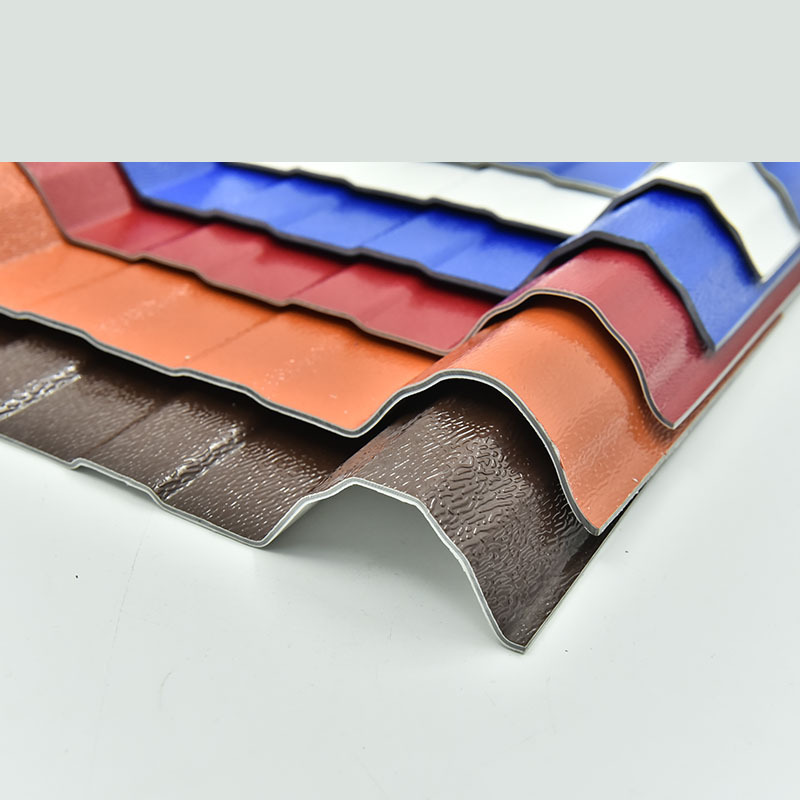
EN
EN
 AR
AR
 BG
BG HR
HR
 CS
CS
 DA
DA
 NL
NL
 FI
FI FR
FR
 DE
DE EL
EL
 HI
HI
 IT
IT JA
JA
 KO
KO
 NO
NO PL
PL PT
PT RO
RO
 RU
RU
 ES
ES
 TL
TL
 IW
IW
 ID
ID
 LT
LT
 VI
VI
 TH
TH
 TR
TR
 AF
AF
 MS
MS
 KM
KM
 LO
LO
 MY
MY

တရုတ်ပုံစံ မိုးကာကြွေပြားများသည် စွမ်းအင်ထိရောက်မှုရှိပါသလား။
တရုတ်စတိုင် မိုးကာပြားများ၏ ဒီဇိုင်းအမွေအနှစ် - ပုံသဏ္ဍာန်နှင့် လုပ်ဆောင်ချက် ပေါင်းစပ်မှု
ရိုးရာ ကွေးပုံစံများနှင့် သဘာဝ လေဝင်လေထွက် အကျိုးကျေးဇူးများ
အကွေးပါသော အိမ်ခြောက်များပါသည့် တရုတ်ဟန် အိမ်မိုးပြားများသည် ပုံစံသာမက စက်ကိရိယာများ မပါဘဲ အပူချိန်ထိန်းချုပ်ရာတွင် အရေးပါသော အကျိုးကျေးဇူးများကိုလည်း ပေးစွမ်းနိုင်ပါသည်။ ဤကဲ့သို့သော အိမ်မိုးပုံစံများသည် လေသည် သဘာဝအတိုင်း လှုပ်ရှားနိုင်သည့် လမ်းကြောင်းငယ်များဖြစ်ပေါ်စေပြီး အိမ်မိုးအောက်မှ ပူအိုက်သောလေကို အပေါ်သို့ ဆွဲထုတ်ပေးပါသည်။ အဆောက်အဦများအတွင်း ပိုမိုအေးမြစေရန် အထောက်အကူပြုပါသည်။ Passive Cooling Institute ၏ ၂၀၂၃ ခုနှစ်က သုတေသနအရ ပုံမှန်ပြားချပ်ချပ် အိမ်မိုးများနှင့် နှိုင်းယှဉ်ပါက အိမ်ခေါင်မိုးများသည် စင်တီဂရိတ်ဒီဂရီ ၇ ခုအထိ ပိုမိုအေးမြကြောင်း တွေ့ရှိခဲ့ပါသည်။ နွေရာသီအတွင်း စိုထိုင်းပြီး ပူပြင်းသော ဒေသများအတွက် ဤကဲ့သို့သော သဘာဝလေဝင်လေထွက်စနစ်သည် လူများအနေဖြင့် တစ်နေ့လုံး လေအေးပေးစက်များကို အသုံးမပြုရလောက်အောင် အထူးကောင်းမွန်စေပါသည်။ ရှေးအခါက ဤကဲ့သို့သော အိမ်မိုးများတွင် အသုံးပြုသည့် ရိုးရာ ကျောက်မီးသွေးပြားများသည် ပိုမိုကွဲပြားခြားနားမှုကို ဖြစ်ပေါ်စေခဲ့ပြီး နေ့အချိန်တွင် အပူကို စုပ်ယူကာ ညအချိန်တွင် တဖြည်းဖြည်း လွှတ်ပေးသွားခဲ့သည့်အတွက် အိမ်များနှင့် အခြားအဆောက်အဦများအတွင်း အပူချိန်များ ပိုမိုတည်ငြိမ်စေရန် အထောက်အကူပြုခဲ့ပါသည်။
ပစ္စည်းတိုးတက်မှု - မြေဆီလွှာအုတ်များမှ ခေတ်မီ PVC-ပေါင်းစပ်ပစ္စည်းများသို့
ရိုးရာမြေဆီလွှာအုတ်များကို ခံနိုင်ရည်နှင့် အပူစွမ်းဆောင်ရွက်မှုအတွက် တန်ဖိုးထားခဲ့သော်လည်း ခေတ်မီတရုတ်ဟန်ဆောင်မိုးကာအုတ်ပြားများသည် စွမ်းဆောင်ရည်နှင့် အသုံးဝင်မှုကို မြှင့်တင်ရန်အတွက် အဆင့်မြင့် PVC-ပေါင်းစပ်ပစ္စည်းများကို အသုံးပြုကြသည်။ ဤပစ္စည်းများသည် အဓိကအားဖြင့် အဆင့်မြှင့်တင်မှုများကို ပေးစွမ်းနိုင်သည်-
- Thermal Resistance : U-values သည် 0.25 W/m²K အထိရှိပြီး မြေဆီလွှာထက် 40% ပိုကောင်းကာ အပူလွှဲပြောင်းမှုကို အနည်းဆုံးဖြစ်စေရန် aerogel အပူကာပစ္စည်းများ ပေါင်းစပ်ထားသည်။
- လေထုအခြေအနေများကို မိမိသို့ ရောက်လာသည် : ရေခဲ-အပူဖြစ်စဉ်အတွင်း ကွဲအက်လွယ်သော မြေဆီလွှာနှင့်မတူဘဲ ခေတ်မီပေါင်းစပ်ပစ္စည်းများသည် အပူပြဲကွဲခြင်း၊ အပူကျဉ်းခြင်းကို ခံနိုင်ရည်ရှိပြီး ကာလရှည်တည်တံ့မှုကို သေချာစေသည်။
- အလေးချိန် ထိရောက်မှု : m² လျှင် 8-12 kg သာရှိပြီး ရိုးရာအုတ်များနှင့် နှိုင်းယှဉ်ပါက တည်ဆောက်ပုံအရ ဝန်ပိုမိုမှုကို 60% လျှော့ချပေးသည်။ ထို့ကြောင့် သမိုင်းဝင်အဆောက်အဦများပေါ်တွင် ပြန်လည်တပ်ဆင်ရန် အကောင်းဆုံးဖြစ်သည်။
ဤတီထွင်မှုများသည် မူရင်းဒီဇိုင်းအလှကို ထိန်းသိမ်းပေးပြီး Cool Roof Council ၏ နေရောင်ပြန်ဟပ်မှု (SRI 0.65) စံနှုန်းများကို ဖြည့်ဆည်းပေးသည်။ နေရောင်ခြည်ကို ပြန်လည်တွန်းလှန်ရန် ကျောက်မီးသွေးမိုက်ခရိုဘီဒ်များကို ထည့်သွင်းအသုံးပြုထားသည်။
တရုတ်ဟန်ဆောင်မိုးကာအုတ်ပြားများအတွက် စွမ်းအင်ချွေတာမှုညွှန်းကိန်းများ
နေရောင်ပြန်ခြင်းနှင့် အပူလွှတ်ခြင်း - ချမ်းသာသော မိုးကာအဆောက်အဦ စံနှုန်းများနှင့် ကိုက်ညီမှု
အလင်းရောင်ကို ပြန်လည်ပစ်ချ်နိုင်ပြီး အပူကို ထိရောက်စွာ လွှတ်တင်ပေးနိုင်သောကြောင့် ရိုးရာတရုတ်ပုံစံ မိုးခံပြားများသည် စွမ်းအင်ချွေတာမှုအတွက် အမှတ်များကို တကယ်ပင် ရရှိစေပါသည်။ သမိုင်းဝင် မူရင်းအဆောက်အဦများနှင့် ကိုက်ညီသော အလင်းရောင်များသည် အပေါ်မှ ကျရောက်လာသော နေရောင်ခြည်၏ ၇၀ ရာခိုင်နှုန်းခန့်ကို ပြန်လည်ပစ်ချ်နိုင်ပြီး ဤအချက်သည် Cool Roof Council မှ လက်ခံနိုင်သည့် ၀.၆၅ ပြန်လည်ပစ်ချ်နိုင်မှုထက် အတော်အသင့် ပိုမိုကောင်းမွန်ပါသည်။ ဤသည်မှာ လက်တွေ့အရာ အဓိပ္ပာယ်ဖွင့်ဆိုပါက အဆောက်အဦများသို့ အပူပိုမိုစုပ်ယူမှု နည်းပါးစေပြီး နွေရာသီအတွင်း အအေးပေးစနစ်များ ပိုမိုအလုပ်လုပ်ရန် မလိုအပ်တော့ဘဲ အများဆုံးအချိန်များတွင် အအေးပေးစရိတ်ကို ၁၅ ရာခိုင်နှုန်းခန့် လျှော့ချပေးနိုင်ပါသည်။ နောက်ထပ် ဉာဏ်ရည်ထက်မြက်သော ဒီဇိုင်းအင်္ဂါရပ်မှာ ဤပြားများ၏ ကွေးညွတ်သော ပုံသဏ္ဍာန်ဖြစ်ပါသည်။ ဤကွေးညွတ်မှုသည် အောက်ခြေတွင် လေသည် လွတ်လပ်စွာ ရွေ့လျားနိုင်သော နေရာကို ဖန်တီးပေးပြီး အပူကို ဖမ်းဆီးထားခြင်းအစား ပိုမိုပူပြင်းသော အပူကို ဖယ်ရှားရာတွင် ကူညီပေးပါသည်။ PVC ပေါင်းစပ်ပစ္စည်းများဖြင့် ပြုလုပ်ထားသော နောက်ဆုံးပေါ်ဗားရှင်းအချို့သည် ဤအကျိုးကျေးဇူးအားလုံးကို ထိန်းသိမ်းထားပြီး ထိရောက်မှုကို ဆုံးရှုံးခြင်းမရှိဘဲ ပိုမိုကြာရှည်စွာ ခံနိုင်ဝန်းကျင်၏ မကောင်းသော ရာသီဥတုအခြေအနေများကို ခံနိုင်ရည်ရှိပါသည်။
U-တန်ဖိုးနှင့် အပူစီးဆင်းမှုအပေါ် သက်ရောက်မှု - ပရိုဖိုင်း၏ ဂျီဩမေတြီသည် အပူလွှဲပြောင်းမှုကို ဘယ်လိုသက်ရောက်မှုရှိသည်
တရုတ်ပုံစံမိုးကာအုတ်များသည် ၎င်းတို့၏ ကွေးညွှန်းသောဒီဇိုင်းကြောင့် အပူချိန်ပြောင်းလဲမှုကို မည်မျှကောင်းစွာကိုင်တွယ်နိုင်သည်ဆိုသည့်အရာတွင် အမှန်တကယ်ကွာခြားမှုကိုဖြစ်ပေါ်စေသည်။ လှိုင်းပုံသဏ္ဍာန်သည် ကွေးတစ်ခုနှင့်တစ်ခုကြားတွင် လေအကွာအဝေးငယ်များကိုဖန်တီးပေးပြီး ပစ္စည်းအတွင်းသို့ အပူလွှဲပြောင်းမှုကို တားဆီးသည့် အတွင်းပိုင်းအကာအရံများကဲ့သို့ အလုပ်လုပ်ပါသည်။ ဤအကွာအဝေးများသည် အကာအရံဂုဏ်သတ္တိများကို တကယ်ပိုမိုကောင်းမွန်စေပြီး ပစ္စည်း၏ထူးမှုအပေါ် မူတည်၍ တိကျသောတိုင်းတာမှုများသည် ပုံမှန်အားဖြင့် W/m²K 0.8 မှ 1.2 အတွင်းတွင် ရှိပါသည်။ စိတ်ဝင်စားဖွယ်ရာမှာ ထိုကွေးများသည် ပိုမိုရှုထောင့်စူးလာပါက ပြားချပ်ပြားဒီဇိုင်းများထက် အကာအရံသည် ၂၀ မှ ၃၀ ရာခိုင်နှုန်းခန့် ပိုကောင်းလာသည်။ ထို့အပြင် ဤပိုမိုစူးရှသောထောင့်များသည် အပိုင်းများဆက်စပ်ရာတွင် အပူဆုံးရှုံးမှုကို လျှော့ချပေးသည်ဟုထင်ရပါသည်။ ဤဂျီဩမေတြီသည် အတွင်းပိုင်းတွင် အကာအရံအလွှာများနှင့်တွဲဖက်ပါက နွေဦး၊ နွေဦးကာလများတွင် အပူပေးခြင်း သို့မဟုတ် နွေကာလများတွင် အအေးပေးခြင်းအတွက် အပိုစွမ်းအင်များစွာမလိုအပ်ဘဲ နှစ်တစ်နှစ်လုံးလုံး သက်တောင့်သက်သာရှိသောအပူချိန်များကို အဆောက်အဦများတွင် ထိန်းသိမ်းထားနိုင်ပါသည်။
အမှန်တကယ်ရာသီဥတုအခြေအနေများတွင် စွမ်းဆောင်ရည် - တရုတ်ပြည်တွင်းရှိ လေ့လာမှုကိစ္စရပ်များ
ပူစွတ်စိုသော တရုတ်ပြည်တောင်ပိုင်း - လေဝင်လေထွက်နှင့် နေရောင်ဒဏ်ခံကာကွယ်မှုတို့၏ အလုပ်ဖြစ်ပုံ
တရုတ်ပုံစံမိုးကာအုတ်များသည် ဂွမ်ကျောင်း၏ ပူပြင်းစိုထိုင်းသော ရာသီဥတုတွင် အထူးကောင်းမွန်စွာ လုပ်ဆောင်ပေးပါသည်။ ကွေးညှို့နေသော အိမ်နံရံထက်စောင်းများသည် အဆောက်အဦအနီးရှိ လေဝင်လေထွက်ကို ပိုမိုကောင်းမွန်စေပြီး ပုံမှန်ပြားချပ်နေသော မိုးကာများနှင့် နှိုင်းယှဉ်ပါက အိမ်မိုးခြမ်းများတွင် စင်တီဂရိတ် ၃ မှ ၅ ဒီဂရီခန့် ပိုမိုအေးမြစေပါသည်။ ဤအချက်သည် သီအိုရီသက်သက်သာမက အဆောက်အဦများကို စမ်းသပ်မှုများကလည်း အတည်ပြုပေးထားပါသည်။ PVC ပေါင်းစပ်ပစ္စည်းများဖြင့် ပြုလုပ်ထားသော ပိုမိုခေတ်မီသည့် ဗားရှင်းများသည် ပို၍ပင် တိုးတက်မှုရှိပါသည်။ ဤခေတ်မီပစ္စည်းများသည် SRI စကေးပေါ်တွင် နေရောင်ခြည်ကို ၀.၈၅ ခန့် ပြန်လည်ရောင်ခြည်ပေးနိုင်သောကြောင့် နေ၏အပူကို အလွန်အမင်း စုပ်ယူမှုများကို ရှောင်ရှားပေးနိုင်ပါသည်။ လက်တွေ့ဥပမာများကို ကြည့်ပါက ဒုန်းကျွန်းရှိ အဆောက်အဦစီမံခန့်ခွဲသူများသည် ဤအထူးမိုးကာများနှင့် ဉာဏ်ရည်မီသော လေဝင်လေထွက်စနစ်များကို တပ်ဆင်ပြီးနောက် လေအေးပေးစက်စရိတ်များကို ခန့်မှန်းခြေ ၁၈ ရာခိုင်နှုန်းခန့် လျှော့ချနိုင်ခဲ့ကြောင်း တွေ့ရှိခဲ့ပါသည်။ ဤနည်းလမ်းကို အထူးစိတ်ဝင်စားဖွယ်ဖြစ်စေသည့်အချက်မှာ လေဝင်လေထွက်ဆိုင်ရာ ရှေးဟောင်းပညာရပ်များနှင့် ယနေ့ခေတ် ပိုမိုတိုးတက်သော ပစ္စည်းပညာရပ်များကို ပေါင်းစပ်ထားခြင်းဖြစ်ပြီး ဒေသဆိုင်ရာ မိမိတို့၏ အဆောက်အဦပညာရပ်များကို လေးစားထားရင်း အဆောက်အဦများကို အေးမြစေရန် လက်တွေ့ကျသော ဖြေရှင်းနည်းများကို ဖန်တီးပေးနိုင်ခြင်းပင် ဖြစ်ပါသည်။
အလယ်ပိုင်းမြောက်ပိုင်း သမားရိုးကျဒေသ - အပူကာကွယ်မှုနှင့် အဆောက်အဦဒီဇိုင်း၏ အလှအပကို ဟန်ချက်ညီစေခြင်း
ရှမ်းရှီးနှင့် ဟီနန်တို့တွင် ရေခဲချောင်းအောင် အအေးဒဏ်ကို ကြုံတွေ့ရပြီး အပူချိန်များ ရေခဲမှတ်အောက်သို့ ကျဆင်းတတ်သည်။ တရုတ်ရိုးရာ မိုးကာဖုံးများသည် မူရင်းအဆောက်အဦပုံစံကို ထိခိုက်စေခြင်းမရှိဘဲ အပူကာကွယ်မှုအတွက် အလွန်ကောင်းမွန်စွာ အသုံးပြုနိုင်သည်။ ထူးခြားသော အနားသားနှင့် အဝှမ်းများပါဝင်သည့် ပုံသဏ္ဍာန်သည် လေအိတ်ငယ်များဖြစ်ပေါ်စေကာ ပုံမှန်မိုးကာပစ္စည်းများထက် အပူကာကွယ်မှုစွမ်းအားကို ၁၅ မှ ၂၀ ရာခိုင်နှုန်းအထိ ပိုမိုကောင်းမွန်စေသည်။ စီအန်းမြို့ကို ဥပမာပြုလျှင်၊ လက်တွေ့စမ်းသပ်မှုများအရ ဤကဲ့သို့သော အပူကာကွယ်မိုးကာဖုံးများဖြင့် ဆောက်လုပ်ထားသည့် အိမ်များသည် အလွန်အအေးဒဏ်ကြီးမားသော အချိန်များတွင် စင်တီဂရိတ် ၅ ဒီဂရီထက် ပို၍ ပူနွေးနေကြောင်း တွေ့ရှိရပြီး နိုင်ငံတကာ အပူချိန်စံနှုန်းများကို ဖြည့်ဆည်းနိုင်သည်။ ကျွန်ုပ်တို့နှင့် ဆွေးနွေးသည့် အများစုသော အဆောက်အဦဒီဇိုင်းပညာရှင်များက ဤမိုးကာဖုံးများတွင် စွမ်းအင်ချွေတာမှုဆိုင်ရာ လက်ရှိအဆောက်အဦစည်းမျဉ်းများကို ဖြည့်ဆည်းပေးပြီး ရှေးဟောင်းမြို့များ၏ အဆောက်အဦပုံစံများနှင့်လည်း ကိုက်ညီမှုရှိကြောင်း မှတ်ချက်ပြုကြသည်။ ရိုးရာပစ္စည်းတစ်ခုသည် စွမ်းဆောင်ရည်မြင့်မားကြောင်း ဤသို့အံ့ဩဖွယ်ကောင်းစွာ ပြသနိုင်ခြင်းမှာ အထူးထူးကဲကဲ ဖြစ်ပါသည်။
မေးလေ့ရှိသောမေးခွန်းများ။
တရုတ်စတိုင်ဆောင်းအိမ်တို့ရဲ့ ကွေးညွတ်သော ပရိုဖိုင်များ၏ အကျိုးကျေးဇူးများမှာ အဘယ်နည်း။
တရုတ်စတိုင်ဆောင်းအိမ်တို့ရဲ့ ကွေးညွတ်သော ပရိုဖိုင်များသည် သဘာဝလေဝင်လေထွက်နှင့် အပူချိန်ထိန်းချုပ်မှုကို ကူညီပေးပါသည်။ ၎င်းတို့သည် လေသည် သဘာဝအတိုင်း လှုပ်ရှားနိုင်သည့် လမ်းကြောင်းများကို ဖန်တီးပေးပြီး ပူနွေးသောလေများ ထွက်ခွာနိုင်စေကာ အဆောက်အဦများ၏ အတွင်းပိုင်းကို ပိုမိုအေးမြစေရန် ကူညီပေးပါသည်။
ခေတ်မီ PVC-ပေါင်းစပ်ဆောင်းအိမ်များသည် ရိုးရာ မြေဆီလွှာ အုတ်များနှင့် မည်သို့နှိုင်းယှဉ်ရမည်နည်း။
ခေတ်မီ PVC-ပေါင်းစပ်ဆောင်းအိမ်များသည် ရိုးရာ မြေဆီလွှာအုတ်များနှင့် နှိုင်းယှဉ်ပါက အပူဒဏ်ခံနိုင်မှု၊ ရာသီဥတုဒဏ်ခံနိုင်မှုနှင့် အလေးချိန် ထိရောက်မှုတို့တွင် ပိုမိုကောင်းမွန်ပါသည်။ ၎င်းတို့သည် အပူလွှဲပြောင်းမှုကို လျော့နည်းစေရန်နှင့် ပိုမိုကြမ်းတမ်းသော ရာသီဥတုအခြေအနေများကို ထိရောက်စွာ ခံနိုင်ရည်ရှိစေရန် ခေတ်မီ အပူကာပစ္စည်းများကို ပေါင်းစပ်ထားပါသည်။
တရုတ်စတိုင်ဆောင်းအိမ်များသည် စွမ်းအင်ထိရောက်မှုကို မည်သို့ပံ့ပိုးပေးပါသနည်း။
တရုတ်စတိုင်ဆောင်းအိမ်များသည် နေရောင်ကို ပြန်လည်ပြောင်းလဲနိုင်ပြီး အပူကို ထိရောက်စွာ လွှတ်ပေးနိုင်သောကြောင့် စွမ်းအင်ထိရောက်မှုရှိပါသည်။ ၎င်းတို့၏ အလင်းရောင်များသည် နေရောင်ကို အများအပြားပြန်လည်ပြောင်းလဲပေးပြီး စုပ်ယူမှုကို လျော့နည်းစေကာ အေးခဲခြင်းလိုအပ်ချက်ကို လျော့နည်းစေပါသည်။
တရုတ်ပုံစံမိုးကာအုတ်များသည် ရာသီဥတုများတွင် မည်သို့အလုပ်ဖြစ်ပါသနည်း။
တရုတ်နိုင်ငံတောင်ပိုင်းကဲ့သို့ ပူပြင်းစိုထိုင်းသော ရာသီဥတုများတွင် ၎င်းတို့သည် လေဝင်လေထွက်နှင့် နေရောင်ခြည်ကို ခုခံနိုင်မှုကို မြှင့်တင်ပေးပါသည်။ သမပိုင်းဒေသများတွင် အလှဆင်ဒီဇိုင်းကို ထိန်းသိမ်းရင်း အအေးဒဏ်ခံနိုင်သော ကာကွယ်မှုကို ထိရောက်စွာ ပေးဆောင်ပြီး အေးမြသောကာလများအတွင်း သက်တောင့်သက်သာရှိစေပါသည်။
အကြံပေးထားသော ထုတ်ကုန်များ
အရေးကြီးသော သတင်းများ
-
မှန်ကန်သော အမိုးချပ်ပြားကို ရွေးချယ်ရန် နည်းလမ်းများ
2024-01-24
-
PVC ပလပ်စတစ်ချပ်ပြားများ
2024-01-24
-
အသားတင်အိုးများ ထုတ်လုပ်ခြင်း၏ အခြေခံအချက်များ
2024-01-24