EN
EN
 AR
AR
 BG
BG HR
HR
 CS
CS
 DA
DA
 NL
NL
 FI
FI FR
FR
 DE
DE EL
EL
 HI
HI
 IT
IT JA
JA
 KO
KO
 NO
NO PL
PL PT
PT RO
RO
 RU
RU
 ES
ES
 TL
TL
 IW
IW
 ID
ID
 LT
LT
 VI
VI
 TH
TH
 TR
TR
 AF
AF
 MS
MS
 KM
KM
 LO
LO
 MY
MY

ແຜ່ນຄຸມຫຼັງຄາ FRP ແບບໂປ່ງໃສສະອາດງ່າຍບໍ?
ເຫດຜົນທີ່ຜ້າກະຈົກ FRP ປ້ອງກັນແສງແດດງ່າຍຕໍ່ການລ້າງຄວາມສະອາດໂດຍທຳມະຊາດ
ຜ້າຄຸມຫຼັງຄາ FRP ທີ່ແສງສະຫວ່າງສາມາດລອດຜ່ານໄດ້ ເຮັດໃຫ້ການບຳລຸງຮັກສາງ່າຍຂຶ້ນ ເນື່ອງຈາກຄຸນສົມບັດພິເສດຂອງວັດສະດຸທີ່ຊ່ວຍຫຼຸດຜ່ອນຄວາມຕ້ອງການໃນການລ້າງ. ພື້ນຜິວຢາງພາລາທີ່ຖືກເສີມແຮງດ້ວຍເສັ້ນໃຍແກ້ວ (FRP) ສ້າງເປັນຊັ້ນກັ້ນທີ່ບໍ່ມີຮູ ແລະ ຕ້ານນ້ຳ ທີ່ບໍ່ອະນຸຍາດໃຫ້ຮອຍເປື່ອນຕິດຄ້າງ. ຜູ້ຈັດການອາຄານຮູ້ດີວ່ານີ້ເປັນເລື່ອງສຳຄັນຫຼາຍ ເນື່ອງຈາກວັດສະດຸດັ້ງເດີມມັກຈະພັດທະນາບັນຫາໝາກແລະເຊື້ອເຫຼົ່າໃນໄລຍະຍາວ. ເນື່ອງຈາກ FRP ບໍ່ສາມາດກັກເກັບຄວາມຊື່ມຊົ່ມ ຫຼື ກັກເກັບສານອິນຊີ, ດັ່ງນັ້ນການເຕີບໂຕທີ່ບໍ່ຕ້ອງການເຫຼົ່ານັ້ນຈຶ່ງບໍ່ສາມາດຕັ້ງຕົວໄດ້. ນອກຈາກນັ້ນ, ຜິວພື້ນທີ່ມີຄວາມລຽບສົ້ມຈາກໂຮງງານ ຊ່ວຍໃຫ້ດິນຝຸ່ນລົ້ນອອກໄປແທນທີ່ຈະຕິດຢູ່ກັບພື້ນຜິວ, ດັ່ງນັ້ນຝົນຕົກປົກກະຕິກໍຈະເຮັດວຽກສ່ວນໃຫຍ່ໃຫ້. ວັດສະດຸອື່ນໆສ່ວນຫຼາຍຕ້ອງການຊັ້ນຄຸມພິເສດເພື່ອຮັກສາຄວາມສະອາດ, ແຕ່ FRP ມີຊັ້ນປ້ອງກັນ UV ທີ່ຢູ່ໃນໂຄງສ້າງຂອງມັນເອງ ທີ່ຊ່ວຍຢຸດການເກີດສີເຫຼືອງ ແລະ ຄວາມເປື່ອຍ ເຖິງແມ່ນຈະຖືກສຳຜັດມາດົນກວ່າຫຼາຍປີ. ສິ່ງນີ້ຊ່ວຍຮັກສາຮູບລັກສະນະ ແລະ ຟັງຊັ່ນການໃຊ້ງານຂອງຫຼັງຄາໃຫ້ດີຢູ່ເປັນເວລາດົນ. ແລະ ເນື່ອງຈາກຜ້າຄຸມເຫຼົ່ານີ້ມີນ້ຳໜັກເບົາຫຼາຍ, ຊ່າງເທັກນິກສາມາດຂຶ້ນໄປເຂົ້າເຖິງໄດ້ງ່າຍໃນເວລາທີ່ຈຳເປັນຕ້ອງລ້າງ ໂດຍບໍ່ຕ້ອງຕັ້ງລະບົບເຂດສະໄໝທີ່ສັບຊ້ອນ. ສຳລັບການບຳລຸງຮັກສາປະຈຳວັນ, ສິ່ງທີ່ຕ້ອງການກໍມີແຕ່ນ້ຳປົກກະຕິປະສົມກັບນ້ຳຢາລ້າງອ່ອນໆ - ບໍ່ຈຳເປັນຕ້ອງໃຊ້ສານເຄມີທີ່ຮຸນແຮງ. ວິທີການນີ້ຊ່ວຍຫຼຸດຄ່າໃຊ້ຈ່າຍໃນການບຳລຸງຮັກສາລົງໄດ້ປະມານ 30% ໃນໄລຍະຍາວ ເມື່ອທຽບກັບວັດສະດຸອື່ນໆ, ໃນຂະນະທີ່ຍັງອະນຸຍາດໃຫ້ແສງສະຫວ່າງທຳມະຊາດສາມາດສ່ອງຜ່ານເຂົ້າໄປໃນພື້ນທີ່ໄດ້ຢ່າງອິດສະຫຼະ.
ວິທີການລ້າງທີ່ປອດໄພ ແລະ ມີປະສິດທິຜົນສໍາລັບແຜ່ນຄຸມຫຼັງຄາໂປຣເດັກຊັ້ນ FRP
ການຮັກສາແຜ່ນຄຸມຫຼັງຄາໂປຣເດັກຊັ້ນ FRP ໃຫ້ຢູ່ໃນສະພາບດີໝາຍເຖິງການຮັກສາລັກສະນະຂອງມັນໃຫ້ສວຍງາມ ແລະ ສາມາດໃຊ້ງານໄດ້ຢ່າງຖືກຕ້ອງ. ແຜ່ນເຫຼົ່ານີ້ມີຜິວໜ້າທີ່ບໍ່ດູດຊຶມສິ່ງເປື້ອນງ່າຍ, ພ້ອມທັງຊັ້ນຄຸ້ມກັນທີ່ຊ່ວຍຕ້ານທານກັບຄວາມເສຍຫາຍຈາກແສງ UV ເຮັດໃຫ້ແສງສາມາດສ່ອງຜ່ານໄດ້ຕາມຈຸດປະສົງຫຼັງຈາກການລ້າງຢ່າງຖືກຕ້ອງ. ເມື່ອບໍ່ດຳເນີນການຮັກສາຢ່າງເປັນປົກກະຕິ, ບັນຫາກໍຈະເລີ່ມປາກົດຂຶ້ນຢ່າງໄວວາ. ບາງລາຍງານຈາກສະຖານທີ່ຊີ້ໃຫ້ເຫັນວ່າ ວິທີການລ້າງທີ່ບໍ່ຖືກຕ້ອງອາດຈະເຮັດໃຫ້ປະລິມານແສງທີ່ສ່ອງຜ່ານແຜ່ນເຫຼົ່ານີ້ຫຼຸດລົງປະມານ 15% ຕໍ່ປີ ເນື່ອງຈາກຮອຍຂີດຂົ້ວນ້ອຍໆທີ່ເກີດຂຶ້ນຕາມເວລາ. ນັ້ນແມ່ນເຫດຜົນທີ່ເຮັດໃຫ້ຜູ້ຈັດການສະຖານທີ່ຫຼາຍຄົນເນັ້ນໜັກໃນການປະຕິບັດຕາມຂັ້ນຕອນການລ້າງທີ່ຖືກແນະນຳ ເພື່ອຮັບປະສິດທິຜົນໃນໄລຍະຍາວ.
ສະບູທີ່ມີຄວາມເປັນກົດ-ເບົາ ແລະ ເຄື່ອງມືທີ່ອ່ອນ: ການຮັກສາຄວາມສົມບູນຂອງຜິວໜ້າ
ສານເຄມີທີ່ຮຸນແຮງເຊັ່ນ: ໂຄລີນ, ຕົວລະລາຍ, ຫຼື ສານລ້າງທີ່ມີຄວາມເປັນກົດຈະເຮັດໃຫ້ຊັ້ນເຮຊິນປ້ອງກັນເສື່ອມສະພາບ, ເຮັດໃຫ້ເກີດສີເຫຼືອງ ແລະ ງ່າຍຕໍ່ການແຕກຫັກ. ແທນທີ່ຈະ:
- ໃຊ້ສະບູທີ່ມີຄວາມເປັນກົດ-ເບົາ ໂດຍເຈືອຈາງໃນນ້ຳອຸ່ນ
- ເຊ็ดດ້ວຍຜ້າໄມໂຄຣເຟັບ ຫຼື ແປງທີ່ມີແປັງນຸ້ມ
- ຫຼີກລ່ຽງຜ້າຂັດທີ່ແຂງ, ຜ້າສະແຕນເລດ ຫຼື ອຸປະກອນລ້າງທີ່ມີຄວາມດັນສູງ
ຮອຍຂີດຂົ scratch ນ້ອຍຈາກເຄື່ອງມືທີ່ແຂງຈະເຮັດໃຫ້ເກີດພັດລົມບົງບັງ ແລະ ຫຼຸດຜ່ອນຄວາມຊັດເຈນໄປຕາມເວລາ—ແລະ ຕ່າງຈາກຮອຍເປື່ອນທີ່ຢູ່ດ້ານໜ້າ ຊຶ່ງບໍ່ສາມາດຟື້ນຟູຄືເກົ່າໄດ້
ຂັ້ນຕອນການລ້າງດ້ວຍມືຢ່າງລະອຽດເພື່ອຄວາມຊັດເຈນສູງສຸດ
ປະຕິບັດຕາມລຳດັບນີ້ປີລະສອງຄັ້ງ (ຫຼື ປີລະສີ່ຄັ້ງໃນເຂດທີ່ມີມົນລະພິດສູງ):
- ຖອດວັດຖຸເສດເຫຼືອອອກ ດ້ວຍແປົ່ງນຸ້ມ ຫຼື ອາກາດທີ່ມີຄວາມດັນຕ່ຳ
- ໃຊ້ນ້ຳຢາລ້າງ ດ້ວຍການເຄື່ອນໄຫວວົນວຽນຢ່າງອ່ອນໂຍນ
- ລ້າງນ້ໍາໃຫ້ສະອາດ ດ້ວຍນ້ຳທີ່ໄຫຼຊ້າໆ ເພື່ອປ້ອງກັນການເຫຼືອຂອງນ້ຳຢາ
-
ແຫ້ງຕາມທຳມະຊາດ ຫຼື ປັບໃຫ້ແຫ້ງ ດ້ວຍຜ້າທີ່ບໍ່ມີຂົນເພື່ອກຳຈັດຮ່ອງຮອຍ
ການລ້າງອອກທັນທີຫຼັງຈາກນຳໃຊ້ສານຊັກຟອກຈະຊ່ວຍປ້ອງກັນການປະສົມປະສານທາງເຄມີທີ່ບໍ່ຕັ້ງໃຈກັບຊັ້ນຄຸ້ມ UV
ຂໍ້ຜິດພາດທີ່ສຳຄັນໃນການຂັດລ້າງທີ່ເຮັດໃຫ້ຜືນຄຸມໂຄງສ້າງ FRP ທີ່ຖ່າຍທອດແສງໄດ້ເສຍຫາຍ
ເຖິງແມ່ນວ່າຜືນຄຸມໂຄງສ້າງ FRP ທີ່ຖ່າຍທອດແສງໄດ້ຈະມີຄວາມທົນທານດີເດັ່ນ, ແຕ່ວິທີການຂັດລ້າງບາງຢ່າງອາດເຮັດໃຫ້ເກີດຄວາມເສຍຫາຍຕໍ່ຄວາມເຂັ້ມແຂງຂອງໂຄງສ້າງ ແລະ ການຖ່າຍທອດແສງໄດ້ຢ່າງຖາວອນ. ວິທີການທີ່ຮຸນແຮງຈະສ້າງຂໍ້ບົກຜ່ອງຂະໜາດນ້ອຍທີ່ຈະລວມຕົວເພີ່ມຂຶ້ນຕາມເວລາ—ເຮັດໃຫ້ເກີດການເຫຼືອງກ່ອນໄວອັນຄວນ, ຄວາມເປື່ອຍ, ແລະ ຄວາມຕ້ານທານຕໍ່ການກະເທືອນຫຼຸດລົງ
ຮອຍຂີດ, ເສັ້ນຮອຍແຕກຂະໜາດນ້ອຍ, ແລະ ການເສຍຫາຍຂອງຊັ້ນຄຸ້ມ UV ຈາກການປະຕິບັດທີ່ຮຸນແຮງ
ແປງທີ່ມີແຂນແຂງ ແລະ ນ້ຳດັນສູງຈະເຮັດໃຫ້ເກີດຮອຍຂີດຂະໜາດນ້ອຍທີ່ເຮັດໃຫ້ພື້ນຜິວເສຍຄວາມລຽບ, ລົດທອນການກະຈາຍແສງໄດ້ເຖິງ 15% ຕາມການຄົ້ນຄວ້າກ່ຽວກັບການເສຍຫາຍຂອງໂພລີເມີທີ່ຖືກຕີພິມໃນ Polymer Engineering & Science (2023). ຮອຍແຕກຂະໜາດນ້ອຍເຫຼົ່ານີ້ເຮັດໜ້າທີ່ເປັນຈຸດກຳກັບຄວາມຕຶງ, ຂະຫຍາຍຕົວໃນຂະນະທີ່ມີການປ່ຽນແປງຂອງອຸນຫະພູມ ແລະ ອາດຈະພັດທະນາໄປສູ່ຮອຍແຕກທີ່ເຫັນໄດ້
ຄວາມເສຍຫາຍຈາກສານເຄມີກໍ່ມີຜົນກະທົບໃນລະດັບດຽວກັນ. ນ້ຳຢາລ້າງທີ່ມີຄວາມເປັນດ່າງ ຫຼື ກົດ—ລວມທັງວິທີການທີ່ອີງໃສ່ອາໂມເນຍ—ຈະເຮັດລາຍຊັ້ນຄຸ້ມກັນຮັງສີ UV. ໂດຍບໍ່ມີຊັ້ນກັ້ນນີ້, ການສຳຜັດກັບແສງຕາເວັນຈະເຮັດໃຫ້ເກີດການເສື່ອມສະພາບຢ່າງໄວວາ, ໂດຍມີການສູນເສຍປະສິດທິພາບທີ່ຖືກຢືນຢັນຈາກອຸດສາຫະກຳ ດັ່ງນີ້:
| ປະເພດຄວາມເສຍຫາຍ | ການສູນເສຍປະສິດທິພາບ | ໄລຍະເວລາ |
|---|---|---|
| ການຕ້ອງກັນການຕັດ | ສູງສຸດເຖິງ 30% | 18–24 ເດືອນ |
| ຄວາມສະຫງູຂອງແສງ | 10–20% | 3 ປີ |
| ຄວາມສົມບູນຂອງໂຄງສ້າງ | ຫຼຸດລົງ 25% ຂອງຄວາມເຂັ້ມແຂງໃນການງໍ | 5 ປີ |
ເມື່ອຖືກເສື່ອມສະພາບແລ້ວ, ພື້ນຜິວຈະກາຍເປັນຮູ້, ເຮັດໃຫ້ດັກເອົາຝຸ່ນດິນ ແລະ ເຮັດໃຫ້ເກີດການປ່ຽນສີໄວຂຶ້ນ. ເພື່ອຫຼີກລ່ຽງຜົນໄດ້ຮັບທີ່ບໍ່ສາມາດກູ້ຄືນໄດ້:
- ໃຊ້ນ້ຳຢາລ້າງທີ່ມີຄ່າ pH ທຳມະດາທີ່ຖືກຈາງໃນນ້ຳອຸ່ນ
- ເລືອກໃຊ້ຜ້າໄມໂຄຣເຟັບນຸ້ມ—ບໍ່ໃຊ້ເຄື່ອງຖູ ຫຼື ແຟັບ
- ດຳເນີນການກວດກາທຸກ 6 ເດືອນເພື່ອຄົ້ນຫາສັນຍານຕົ້ນຕົວຂອງການແຕກ ຫຼື ການເບິ່ງເຫັນບໍ່ຊັດເຈນ
ຖາມບ່ອຍໆ
ຄວນລ້າງແຜ່ນຄຸມຫຼັງຄາ FRP ທີ່ສາມາດສະທ້ອນແສງໄດ້ເທົ່າໃດເທື່ອຕໍ່ປີ?
ແນະນຳໃຫ້ລ້າງແຜ່ນຄຸມຫຼັງຄາ FRP ທີ່ສາມາດສະທ້ອນແສງໄດ້ປີລະ 2 ເທື່ອ, ຫຼື ທຸກ 3 ເດືອນໃນພື້ນທີ່ທີ່ມີມົນລະພິດສູງ, ເພື່ອຮັກສາຄວາມຊັດເຈນ ແລະ ປະສິດທິພາບໃນລະດັບທີ່ດີທີ່ສຸດ.
ຄວນໃຊ້ນ້ຳຢາລ້າງປະເພດໃດກັບແຜ່ນຄຸມຫຼັງຄາ FRP ທີ່ສາມາດສະທ້ອນແສງໄດ້?
ໃຊ້ສະບູຟອກທີ່ມີຄ່າ pH ເປັນກາງ ທີ່ຖືກຈາຍໃນນ້ຳອຸ່ນ. ຫຼີກເວັ້ນການໃຊ້ສານເຄມີຮຸນແຮງເຊັ່ນ: ນ້ຳຢຽດ ຫຼື ສານລ້າງທີ່ມີຄວາມເປັນກົດ ເພາະຈະເຮັດໃຫ້ຊັ້ນເລືອດປ້ອງກັນເສື່ອມໂຊມ.
ຄວນຫຼີກເວັ້ນຫຍັງເມື່ອລ້າງຜ້າ FRP?
ຫຼີກເວັ້ນການໃຊ້ຝາຂັດ, ໄມ້ຂັດເຫຼັກ, ຫຼື ປືນລ້າງຄວາມດັນສູງ ເພື່ອປ້ອງກັນຮອຍຂີດຂົ scratch ນ້ອຍໆ ເຊິ່ງອາດຈະເຮັດໃຫ້ຄວາມສົມບູນຂອງພື້ນຜິວຖືກທຳລາຍ.
ຜະລິດຕະພັນທີ່ແນະນຳ
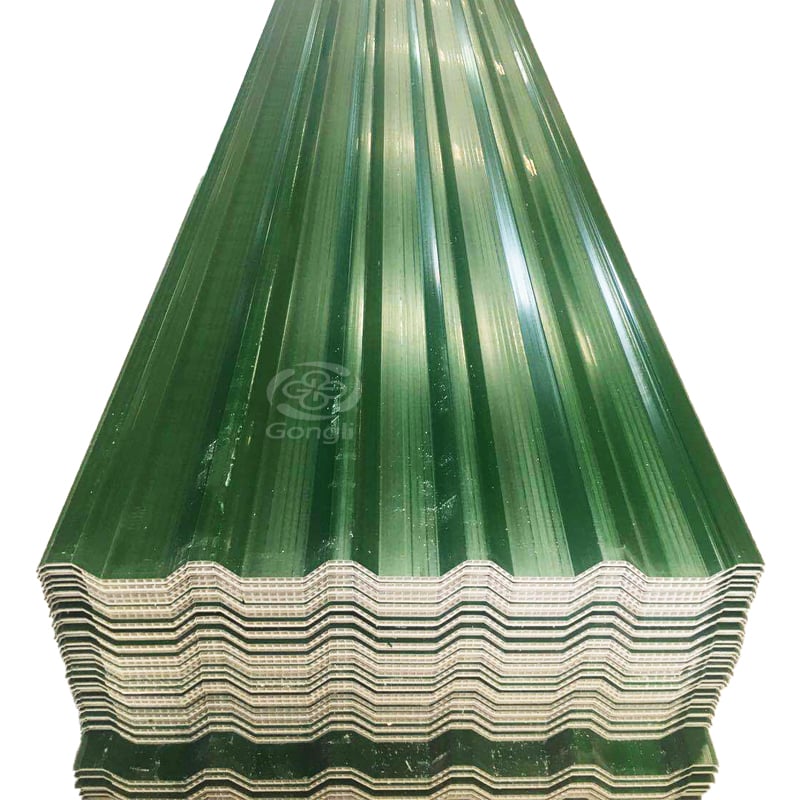
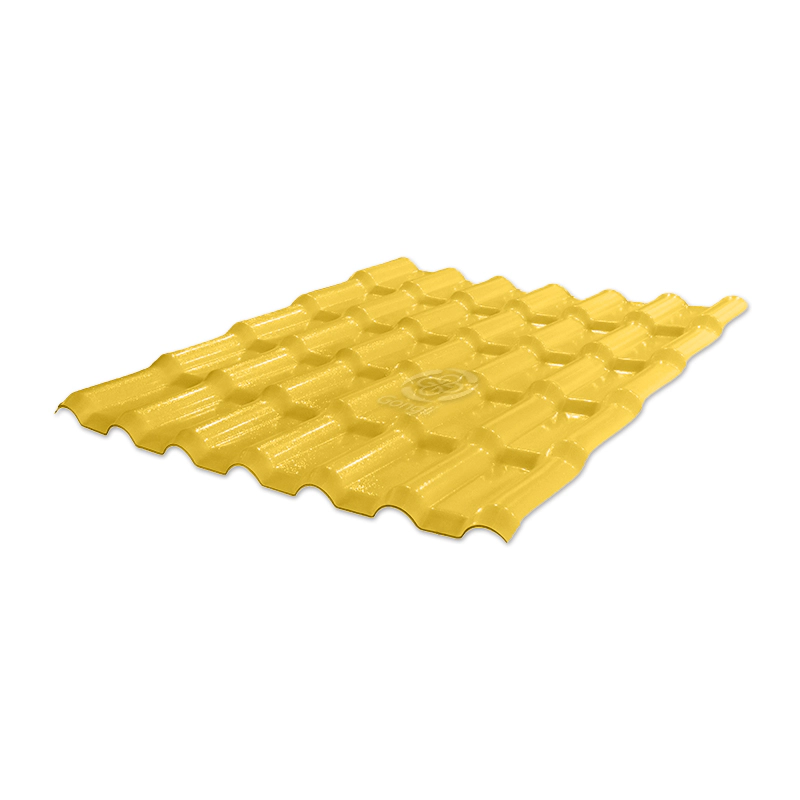
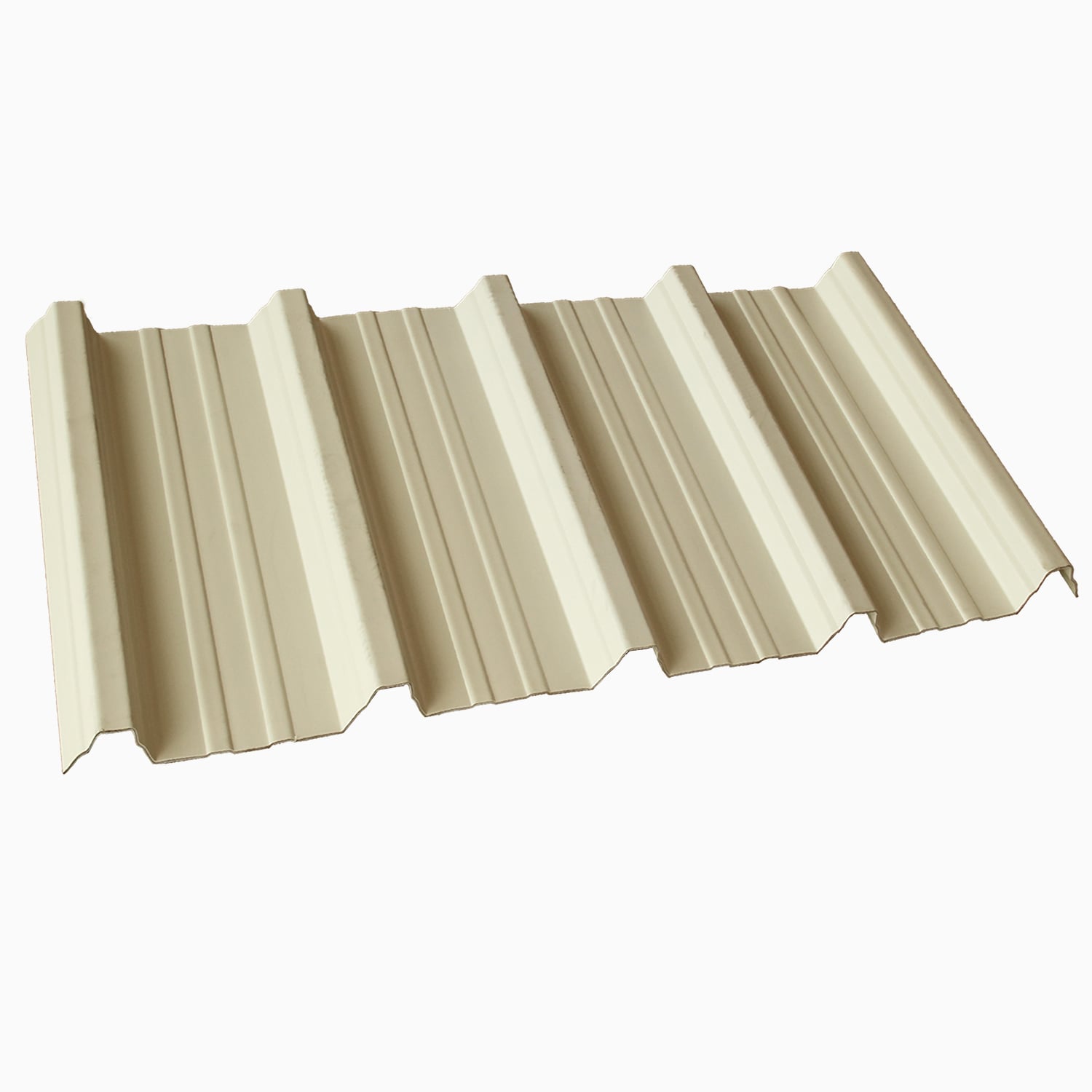
ຂ່າວຮ້ອນ
-
ວິທີເລືອກປ້ານຄັງທີ່ຖືກຕ້ອງ
2024-01-24
-
ປ້ານພลาສຕິກ PVC: ບັນຫາທີ່ສົມບູรณ์ທີ່ສຸດສํາລັບການປູຄັງ
2024-01-24
-
ພື້ນຖານຂອງການຜະລິດປ້ານເຊມີນຕິກຣິນ
2024-01-24