EN
EN
 AR
AR
 BG
BG HR
HR
 CS
CS
 DA
DA
 NL
NL
 FI
FI FR
FR
 DE
DE EL
EL
 HI
HI
 IT
IT JA
JA
 KO
KO
 NO
NO PL
PL PT
PT RO
RO
 RU
RU
 ES
ES
 TL
TL
 IW
IW
 ID
ID
 LT
LT
 VI
VI
 TH
TH
 TR
TR
 AF
AF
 MS
MS
 KM
KM
 LO
LO
 MY
MY

उपयुक्त चीनी शैली की छत की चादरें कैसे चुनें?
चीनी शैली की छत की चादरों की ऐतिहासिक उत्पत्ति और वास्तुकला महत्व
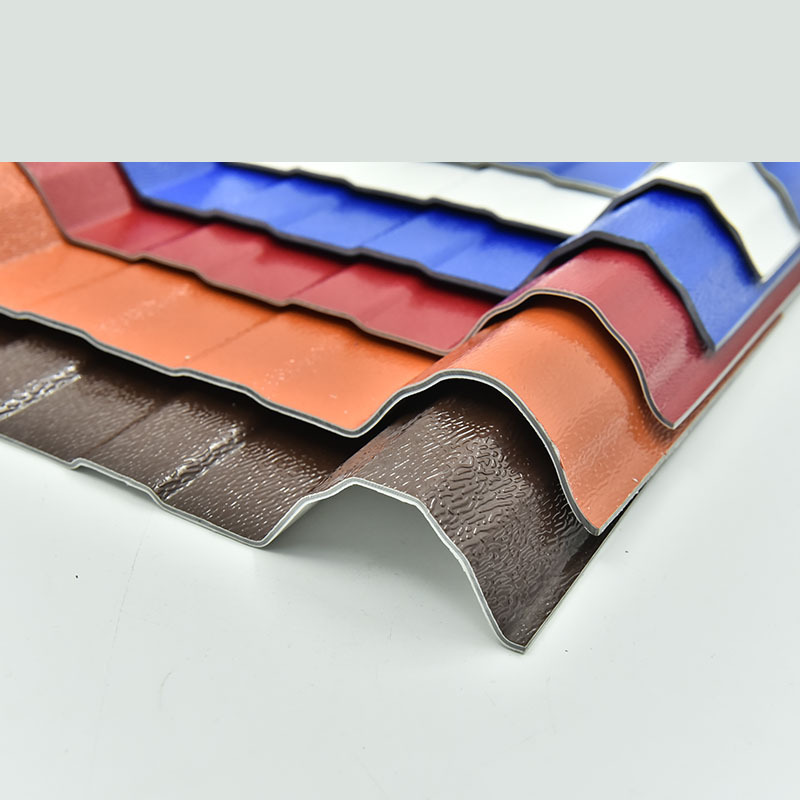
चीनी छत के टाइल्स की जड़ें दो हजार साल से भी अधिक पुराने राजवंशीय परंपराओं में निहित हैं। ये छतें केवल कार्यात्मक निर्माण तत्व नहीं थीं, बल्कि ये मानव के ब्रह्मांड में उसके स्थान के बारे में महत्वपूर्ण सांस्कृतिक विश्वासों का प्रतिनिधित्व करती थीं। सबसे उल्लेखनीय विशेषता ऊपर की ओर मुड़ी हुई लटकती छत के किनारे हैं, जिन्हें अक्सर 'उड़ते कोने' कहा जाता है। ये व्यावहारिक उद्देश्यों के साथ-साथ प्रतीकात्मक उद्देश्यों की भी पूर्ति करते हैं, जैसे इमारतों से बारिश को दूर रखना और आकाश व भूमि के बीच संबंध का प्रतीक बनना। ये लहरदार वक्र पहली बार हान राजवंश काल (लगभग 206 ईसा पूर्व से 220 ईस्वी तक) में प्रकट हुए। इन डिज़ाइनों के साथ-साथ छत के किनारों पर ड्रैगन के सिर जैसे प्रतीक भी आए, जो यह दर्शाते थे कि सत्ता किसके पास है और साथ ही बुरी आत्माओं से सुरक्षा भी प्रदान करते थे। विभिन्न इमारतों ने समाज में अपने महत्व को दर्शाने के लिए अलग-अलग शैलियों का उपयोग किया। उदाहरण के लिए, मंदिरों और राजकीय महलों में अपनी श्रेणी को दृश्य रूप से संप्रेषित करने के लिए वुतुन नामक विशेष बहु-स्तरीय छतों का उपयोग किया जाता था। लेकिन इन डिज़ाइनों के संरचनात्मक रूप से इतना अच्छा काम करने का एक अन्य कारण भी है। ढलानदार आकृति भारी बर्फ के भार को dougong नामक जटिल लकड़ी के ब्रैकेट्स पर फैलाने में मदद करती है, जिससे हर जगह मोटी सहायक दीवारों की आवश्यकता समाप्त हो जाती है। आज भी हम इन पारंपरिक छतों के संस्करण आधुनिक सामग्री जैसे रीइंफोर्स्ड कंक्रीट और धातु कोटिंग्स से बने देख सकते हैं, फिर भी उनमें वही बहता हुआ रूप और शुभ आभूषण बरकरार हैं जो शताब्दियों से चीनी वास्तुकला का हिस्सा रहे हैं।
आधुनिक चीनी शैली के छत की चपटों के सामग्री विकल्प और प्रदर्शन विशेषताएँ
समकालीन निर्माण पारंपरिक मिट्टी से परे चीनी शैली की छत की चपटों के लिए सामग्री की विविधता का विस्तार करता है, जिससे हस्ताक्षर बाह्य रूप को बरकरार रखते हुए बेहतर प्रदर्शन प्राप्त होता है। निर्माता अब आमतौर पर मिट्टी, कंक्रीट या धातु विकल्पों में से चयन करते हैं—प्रत्येक के अलग-अलग लाभ हैं।
मिट्टी, कंक्रीट और धातु विकल्प
लोग अभी भी मिट्टी की टाइल्स से प्यार करते हैं क्योंकि उनमें वास्तविक प्राकृतिक भावना होती है और वे सभी प्रकार के रंगों में आती हैं जो प्राकृतिक रूप से बदलते रहते हैं, जैसे कि हम सदियों पुरानी इमारतों में देखते हैं। विकल्पों की तलाश करने वालों के लिए, कंक्रीट की टाइल्स वास्तव में अच्छी कीमत-मूल्य डील हैं क्योंकि वे बहुत अधिक क्षति सहन कर सकती हैं। ये उन स्थानों पर विशेष रूप से अच्छी तरह काम करती हैं जहाँ मौसम कठोर होता है, और निर्माता उन्हें सांचों का उपयोग करके पारंपरिक टाइल्स जैसा दिखने के लिए आकार दे सकते हैं। धातु की टाइल्स भी होती हैं, जो ज्यादातर एल्युमीनियम या स्टील से बनी होती हैं और कुछ परत के साथ ढकी होती हैं। ये धातु की टाइल्स अपने हल्केपन की तुलना में बहुत मजबूत होती हैं, जिसका अर्थ है कि वास्तुकार बिना तनाव में संरचना के विफल होने की चिंता किए ही अद्वितीय घुमावदार छत के किनारों को डिजाइन कर सकते हैं।
स्थायित्व, मौसम प्रतिरोधकता और ऊष्मीय दक्षता
चीनी शैली की छत की चादरें आज विशेष कोटिंग्स और सीलिंग विधियों के साथ आती हैं जो खराब मौसम का बहुत अच्छा सामना करती हैं। मिट्टी और कंक्रीट की सामग्री पर सिरेमिक फिनिश उन्हें समय के साथ फीका पड़ने से रोकती है, और उन धातु की चादरों को पत्थर के टुकड़ों से सुरक्षा प्रदान की जाती है ताकि वे ओलों को संभाल सकें बिना क्षति के। इन आधुनिक छतों में सामान्य एस्फाल्ट शिंगल्स की तुलना में कम ऊष्मा चालन होता है, जिससे आंतरिक तापमान में लगभग 40% तक कमी आती है। इन छतों के अंतर्लॉकिंग भागों और छिपे हुए फास्टनर्स के साथ डिज़ाइन किए जाने के तरीके से मजबूत हवाओं का प्रतिरोध करने में मदद मिलती है (कुछ परीक्षणों में दिखाया गया है कि वे 110 मील प्रति घंटे से अधिक की गति पर भी टिकी रहती हैं)। इसके अलावा, इन टाइट सील्स के कारण पानी अंदर नहीं घुस पाता, जिसका अर्थ है कि इन छतों को लगभग कोई रखरखाव नहीं चाहिए और वे दशकों तक चलती हैं। सही ढंग से स्थापित होने पर, इन प्रणालियों में 30 से अधिक सौर परावर्तकता रेटिंग होती है, जिससे इमारतें ठंडी रहती हैं और एयर कंडीशनिंग लागत पर पैसे बचते हैं।
चीनी शैली की छत की चादरों को परिभाषित करने वाले डिज़ाइन विशेषताएँ और सौंदर्य तत्व
घुमावदार छज्जे, ऊपर की ओर मुड़े कोने, और प्रतीकात्मक आलंकारिक डिज़ाइन
चीनी छत की शैलियों को एशिया भर में मंदिरों और पारंपरिक इमारतों पर देखी जाने वाली उन लहरदार घुमावदार छज्जों और नाटकीय तरीके से ऊपर की ओर मुड़ी कोनों द्वारा तुरंत पहचाना जा सकता है। ये वास्तुकला सुविधाएँ केवल दिखावे के लिए नहीं हैं। वास्तव में, ये चीन के विविध जलवायु परिस्थितियों को देखते हुए इमारतों की नींव से वर्षा के पानी को दूर करने में मदद करती हैं। इसी समय, इन घुमावों का गहरा प्रतीकात्मक अर्थ है, जिसे अक्सर स्वर्ग की ओर बढ़ने या बुरी शक्तियों से सुरक्षा के रूप में जोड़ा जाता है। पुरानी इमारतों को ध्यान से देखें और आप शिखर टाइल्स और अंत टुकड़ों पर सभी प्रकार की नक्काशियाँ देख सकते हैं। ड्रैगन अक्सर दिखाई देते हैं, जो साम्राज्य अधिकार के लिए खड़े होते हैं, जबकि फीनिक्स कठिनाई के बाद पुनर्जन्म और नवीकरण के लिए प्रतीक हैं। इस तरह का विस्तृत ध्यान मनमाना नहीं है। इन तत्वों की व्यवस्था शताब्दियों पुराने फेंग शुई सिद्धांतों का अनुसरण करती है, जिसका उद्देश्य मानव निर्मित संरचनाओं और आसपास के वातावरण के बीच संतुलन बनाना है। वास्तुकारों ने इन छतों को डिजाइन करते समय यह ध्यान रखा कि स्थान हवा के प्रतिरूपों और सूर्य के प्रकाश के साथ कैसे अन्योन्य क्रिया करेंगे।
रंग पैलेट और ग्लेज़िंग तकनीक (उदाहरण के लिए, इम्पीरियल येलो, एज़ूर ब्लू)
पारंपरिक चीनी छत के डिज़ाइन सदियों से सख्त रंग नियमों का पालन करते आए हैं। पीली टाइल्स का उपयोग पहले सख्ती से साम्राज्यिक इमारतों के लिए आरक्षित था, जबकि मंदिरों में अक्सर उन गहरे नीले रंग की टाइल्स का उपयोग होता था। आज के निर्माता खास ग्लेज़िंग विधियों के जरिए इन रंगों को सही ढंग से प्राप्त करते हैं, जिसमें किल्न में कई बार फायरिंग से पहले कई बार सिरेमिक फ्रिट्स लगाए जाते हैं। इससे सतहें ऐसी बनती हैं जो मौसम को झेल सकती हैं लेकिन फिर भी पुरानी टाइल्स जैसी दिखती हैं। इनकी चमकदार उपस्थिति का कारण क्या है? यह मिट्टी के आधार पर सीसा रहित चमकदार सिरेमिक ग्लेज़ लगाने से आती है। इस दृष्टिकोण से चीज़ों को प्रामाणिक दिखावट बनाए रखने के साथ-साथ यह सुनिश्चित किया जाता है कि वे अब लंबे समय तक चलें। जब हम इन रंगीन छतों को देखते हैं, तो वास्तव में हम रंग के माध्यम से कही गई कहानियों को देख रहे होते हैं। यहाँ रंगों का चयन बिल्कुल भी अनियमित नहीं है—यह स्थिति और महत्व के बारे में प्राचीन परंपराओं का अनुसरण करता है, जिन्हें हज़ारों वर्षों से लोग मानते आ रहे हैं।
चीनी शैली की छत की चादरों के लिए व्यावहारिक स्थापना प्रक्रिया
संरचनात्मक समर्थन आवश्यकताएँ और ढलान संबंधी अनुशंसाएँ
उन घुमावदार चीनी शैली की छत की चादरों के साथ काम करते समय संरचनात्मक फ्रेमिंग को सही ढंग से बनाना बहुत महत्वपूर्ण है, क्योंकि इनका भवन के ऊपर बैठने का तरीका और विभिन्न क्षेत्रों में भार का वितरण ऐसा होता है। अधिकांश लोगों को लगता है कि पानी को उचित तरीके से निकालने के लिए और पारंपरिक दिखावट को बनाए रखने के लिए छत की ढलान लगभग 15 से 30 डिग्री के बीच रखना काफी उपयुक्त होता है। जहाँ नियमित रूप से बर्फ गिरती है, वहाँ 2021 के भवन नियम बताते हैं कि प्रबलित जंगली (rafters) और परलिन्स (purlins) कम से कम 50 पाउंड प्रति वर्ग फुट लाइव लोड दबाव को सहन करने में सक्षम होने चाहिए। और अंडरलेमेंट (underlayment) के बारे में मत भूलें—इसे छत के किनारे से लगभग छह इंच तक बाहर निकला होना चाहिए ताकि केशिका क्रिया के कारण छोटी-छोटी दरारों से पानी वापस भीतर न घुस सके। इस छोटी सी बारीकी का भवन के आंतरिक हिस्से में नमी न आने देने में बहुत बड़ा अंतर पड़ता है।
आधुनिक छत व्यवस्थाओं और भवन नियमों के साथ संगतता
पारंपरिक डिज़ाइनों को समकालीन प्रणालियों के साथ एकीकृत करने के लिए महत्वपूर्ण तकनीकी मापदंडों पर ध्यान देना आवश्यक है:
- धातु विविधताओं के लिए तापीय प्रसार अंतराल (प्रति 10 फीट में ¼")
- जंगल की आग वाले क्षेत्रों में ASTM E108 क्लास A अग्नि-रेटेड सामग्री
- IECC 2021 इन्सुलेशन मानकों को पूरा करने वाली वाष्प बाधाएँ
संघनन को रोकने के लिए क्रॉस-वेंटिलेशन चैनल्स को 40% आपेक्षिक आर्द्रता बनाए रखनी चाहिए—विशेष रूप से सीलबंद अटारी डिज़ाइन में यह महत्वपूर्ण है। स्थापना से पहले राष्ट्रीय भवन नियमों में स्थानीय संशोधनों की हमेशा पुष्टि करें।
अनुप्रयोग और बाजार रुझान: चीनी शैली की छत शीट्स आज कहाँ उत्कृष्ट प्रदर्शन कर रही हैं
आजकल चीनी शैली की छत की चादरें हर जगह दिखाई दे रही हैं, सिर्फ पुरानी इमारतों पर नहीं बल्कि आधुनिक वास्तुकला में भी। घुमावदार किनारे और पारंपरिक प्रतीक विशेष रूप से वाणिज्यिक इमारतों जैसे संग्रहालयों, शानदार होटलों और शहरी पार्कों पर खास तौर पर उभरते हैं, जहां डेवलपर्स के लिए अलग दिखना बहुत महत्व रखता है। ग्लोबल कंस्ट्रक्शन रिव्यू के 2023 के कुछ शोध के अनुसार, इस प्रवृत्ति में प्रति वर्ष लगभग 19% की वृद्धि हुई है, विशेष रूप से होटलों और सार्वजनिक इमारतों में, जहां लोग सांस्कृतिक रूप से प्रामाणिक कुछ चाहते हैं। यह दिलचस्प है कि निर्माता पारंपरिक आकृतियों को यूवी प्रतिरोधी पीवीसी कंपोजिट जैसी नई सामग्री के साथ कैसे मिला रहे हैं। ये सामग्री मौसम के खिलाफ बेहतर प्रतिरोध दिखाती हैं लेकिन फिर भी चीनी वास्तुकला से जुड़ी पारंपरिक छवि को बरकरार रखती हैं। कुछ वास्तुकार तो इस बात पर भी बात करते हैं कि यह संयोजन व्यावहारिक आवश्यकताओं और डिजाइन लक्ष्यों दोनों को एक साथ हल करता है।
दक्षिणपूर्व एशिया और पश्चिमी शहर जहाँ बड़ी एशियाई आबादी निवास करती है, इस बाजार में वर्तमान में सबसे अधिक वृद्धि देख रहे हैं। वहाँ के डेवलपर्स के सामने पारंपरिक वास्तुकला तत्वों को बनाए रखते हुए आज के प्रदर्शन मानकों को पूरा करने की चुनौती है। थर्मल दक्षता ब्याज को बढ़ावा देने वाला एक प्रमुख कारक बना हुआ है, विशेष रूप से क्योंकि हाल ही में गहरे रंग के विकल्प लोकप्रिय हो गए हैं क्योंकि वे ठंडे मौसम की अवधि के दौरान गर्मी को बेहतर ढंग से अवशोषित करते हैं। ग्रीन बिल्डिंग आंदोलन भी मांग को बढ़ा रहे हैं, जिसमें कंपनियां मानक मिट्टी की टाइल्स के लिए पर्यावरण के अनुकूल विकल्प बनाने के लिए कड़ी मेहनत कर रही हैं जो फिर भी पारंपरिक डिजाइनों से सभी को पहचाने जाने वाले विशिष्ट घुमावदार छत के किनारों को बनाए रखते हैं। कुछ फर्में तो यह भी दावा करती हैं कि उनकी नई सामग्री मूल दृश्य विशेषताओं से मेल खाती है जबकि निर्माण प्रक्रिया के दौरान अपशिष्ट उत्पादन को कम करती है।
| अनुप्रयोग क्षेत्र | प्राथमिक मांग ड्राइवर | उभरती सामग्री प्राथमिकताएं |
|---|---|---|
| सांस्कृतिक संस्थान | प्रामाणिक वास्तुकला अभिव्यक्ति | फीका-प्रतिरोधी लेपित धातु |
| प्रीमियम आवासीय | सौंदर्य से भिन्नता | हल्के पोलीमर कंपोजिट्स |
| वाणिज्यिक आतिथ्य | थीमेटिक डिज़ाइन में सामंजस्य | सौर-प्रतिबिंबित ग्लेज़्ड सिरेमिक्स |
यह विकास चीनी शैली की छत की चादरों को सांस्कृतिक संरक्षण और तकनीकी नवाचार के चौराहे पर स्थापित करता है—जो न केवल सौंदर्य आकांक्षाओं को पूरा करता है, बल्कि निर्माण विज्ञान की कठोर आवश्यकताओं को भी पूरा करता है। विभिन्न परियोजना पैमानों—मंदिर पुनर्स्थापन से लेकर मिश्रित उपयोग की जटिल संरचनाओं तक—में इनकी अनुकूलन क्षमता वैश्विक वास्तुकला अभ्यास में इनकी निरंतर प्रासंगिकता सुनिश्चित करती है।
अक्सर पूछे जाने वाले प्रश्न
चीनी शैली की छत की चादरों की उत्पत्ति क्या है?
चीनी छत की टाइल्स का इतिहास दो हजार वर्ष पुराना है और इनका उपयोग सांस्कृतिक एवं वास्तुकला उद्देश्यों के लिए किया जाता था, जिसमें हान राजवंश के दौरान झुकी हुई वक्र जैसे डिज़ाइन उत्पन्न हुए थे।
आधुनिक चीनी शैली की छत की चादरों में कौन-कौन सी सामग्री का उपयोग किया जाता है?
आधुनिक चीनी शैली की छत की चादरें मिट्टी, कंक्रीट और धातु से बनी हो सकती हैं, जिनमें से प्रत्येक अलग-अलग स्थायित्व और सौंदर्य गुण प्रदान करती हैं।
मौसम प्रतिरोधकता और तापीय दक्षता के संदर्भ में इन छतों का प्रदर्शन कैसा होता है?
इन छतों में कोटिंग और सीलन होती है जो उत्कृष्ट मौसम प्रतिरोध प्रदान करती है, जिससे थर्मल दक्षता आंतरिक तापमान को लगभग 40% तक कम कर देती है।
आधुनिक चीनी शैली की छत की चादरें आमतौर पर कहाँ उपयोग की जाती हैं?
वे अपने प्रामाणिक और सौंदर्यात्मक परिणामों के कारण सांस्कृतिक संस्थानों, प्रीमियम आवासीय भवनों और व्यावसायिक आतिथ्य में प्रचलित हैं।
अनुशंसित उत्पाद
गर्म समाचार
-
सही छत टाइल कैसे चुनें
2024-01-24
-
पीवीसी प्लास्टिक टाइलें: आदर्श छत सामग्री
2024-01-24
-
सिंथेटिक रेज़िन टाइल निर्माण की अनिवार्यताएँ
2024-01-24