EN
EN
 AR
AR
 BG
BG HR
HR
 CS
CS
 DA
DA
 NL
NL
 FI
FI FR
FR
 DE
DE EL
EL
 HI
HI
 IT
IT JA
JA
 KO
KO
 NO
NO PL
PL PT
PT RO
RO
 RU
RU
 ES
ES
 TL
TL
 IW
IW
 ID
ID
 LT
LT
 VI
VI
 TH
TH
 TR
TR
 AF
AF
 MS
MS
 KM
KM
 LO
LO
 MY
MY

Les feuilles creuses en PVC bicouche peuvent-elles être utilisées pour la décoration intérieure ?
Principaux avantages des feuilles creuses en PVC bicouche pour les applications intérieures
Matériau d'habillage intérieur léger, résistant à l'humidité et facile à installer
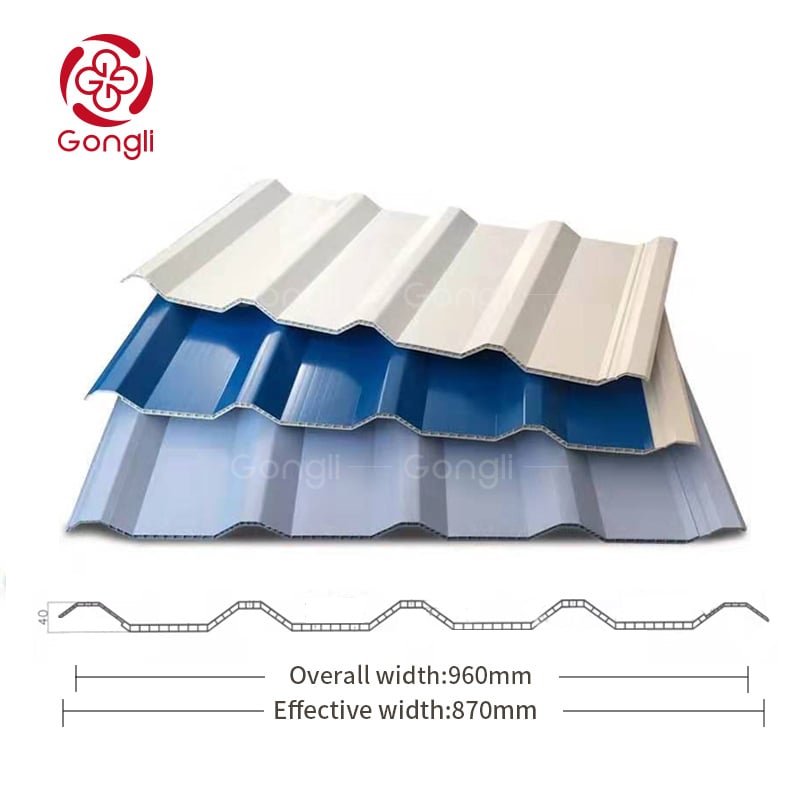
Les feuilles de PVC alvéolé ont vraiment changé la façon dont nous concevons les murs intérieurs et les plafonds, car elles offrent un équilibre idéal entre performance et praticité. Ces matériaux pèsent environ la moitié moins lourd que le verre ou les panneaux pleins, ce qui facilite grandement leur manipulation par les ouvriers et permet de terminer les travaux plus rapidement, sans risque de problèmes structurels. Ils résistent également très bien à l'humidité, ce qui les rend particulièrement efficaces dans les endroits où l'humidité est constamment présente, comme les salles de bains, les cuisines ou ces espaces de buanderie que tout le monde déteste. Ce matériau ne se déforme ni ne gonfle pas avec le temps, et il lutte efficacement contre la prolifération des moisissures. L'assemblage de ces panneaux ne nécessite aucun équipement spécial : la plupart des menuisiers disposent déjà de tous les outils nécessaires pour découper, percer ou façonner les pièces sur site. Les bords à emboîtement facilitent une installation sans accroc, tandis que plusieurs méthodes permettent de les fixer solidement, qu'il s'agisse d'adhésifs, de vis ou de clips invisibles qui confèrent aux murs et plafonds un aspect soigné. Toutes ces qualités font du PVC alvéolé un choix judicieux, aussi bien pour la rénovation d'une habitation que pour des projets commerciaux plus importants, où la rapidité d'exécution compte autant que la durabilité.
Diffusion naturelle de la lumière et polyvalence esthétique moderne dans les espaces intérieurs
Les feuilles creuses en PVC à double paroi possèdent une forme spéciale à plusieurs chambres qui fonctionne de manière particulièrement intelligente en matière de gestion de la lumière naturelle. Elles diffusent environ 70 à 85 % de la lumière solaire entrante, tout en bloquant près de 95 % des rayons UV nocifs. Le résultat est une lumière douce et agréable qui ne fatigue pas les yeux et donne l'impression que les espaces sont plus grands. Moins de lumière artificielle est nécessaire pendant la journée, ce qui permet de réaliser des économies, notamment dans les grands bâtiments où la lumière naturelle ne parvient pas facilement, ou dans les projets visant à réduire la consommation d'énergie. Les architectes apprécient particulièrement ces matériaux car ils offrent de nombreuses possibilités créatives. Pensez aux plafonds rétroéclairés sophistiqués des entrées de centres commerciaux, ou aux cloisons translucides entre bureaux qui permettent aux personnes de se voir tout en préservant leur intimité. Ces feuilles existent en versions transparentes classiques, dépolies pour flouter la vue, ou teintées pour différents effets esthétiques. Récemment, les fabricants ont commencé à les produire avec des textures imitant le bois ou la pierre. Toutes ces options permettent aux concepteurs de jouer pleinement avec la manière dont la lumière interagit avec leurs créations, dans tous types de bâtiments.
- Intérieurs minimalistes profitez de panneaux neutres à finition mate qui s'estompent élégamment en arrière-plan
- Affirmations audacieuses apparaissent avec des couleurs saturées utilisées pour les murs d'accent ou les installations sculpturales
- Formes organiques deviennent réalisables grâce à la flexibilité à froid du matériau, permettant des courbes douces impossibles à obtenir avec des alternatives rigides
Utilisations pratiques intérieures des feuilles creuses en PVC double paroi
Panneaux décoratifs muraux et systèmes de plafonds
Les feuilles de PVC alvéolé deviennent des choix populaires pour les revêtements muraux et de plafond car elles sont légères — environ 80 % plus légères que les matériaux traditionnels — tout en conservant une bonne stabilité dimensionnelle. La structure cellulaire confère à ces feuilles une rigidité suffisante pour enjamber des ossatures de plafond standard sans fléchir, même sur des portées d'environ 1,2 m de long, ce qui permet de conserver des lignes propres et contemporaines bien nettes. Les architectes les choisissent souvent dans des endroits comme les halls d'hôtel, les intérieurs de boutiques et les espaces de restauration où ils souhaitent créer des murs d'accent texturés. Les légères variations de la surface masquent les imperfections du matériau sous-jacent et offrent également une meilleure résistance aux dommages causés par l'humidité. Associées à un éclairage LED, ces feuilles transforment soudainement les plafonds et les murs décoratifs en sources lumineuses douces, procurant un bel éclairage d'ambiance sans créer de reflets gênants ni de zones trop lumineuses.
Cloisons et séparations semi-translucides
Les feuilles creuses en PVC Twinwall constituent d'excellents séparateurs d'espace car elles allient besoin de confidentialité et bonne gestion de la luminosité ainsi que du son. Ces panneaux polyvalents conviennent parfaitement comme cloisons de bureau, murs de salles de réunion ou même entre différentes zones d'une habitation. Ils laissent passer environ la moitié à trois quarts de la lumière ambiante tout en empêchant la vue directe à travers eux, ce qui permet de préserver une sensation d'ouverture sans provoquer de fatigue oculaire due au désordre visuel constant. Des tests réalisés par des laboratoires indépendants montrent que ces matériaux peuvent réduire les niveaux de bruit d'environ 15 à 20 décibels, selon une étude publiée l'année dernière dans le Building Acoustics Journal. Cela les rend particulièrement utiles dans les lieux où les personnes doivent parler tout en souhaitant bénéficier de moments de calme, comme les espaces de travail partagés, les salles d'attente d'hôpitaux ou les bâtiments scolaires. Le matériau lui-même n'absorbe pas facilement la saleté grâce à sa surface non poreuse, conserve ses couleurs même exposé au soleil près des fenêtres, et peut être façonné en courbes douces lors de l'installation. Cela permet aux concepteurs de créer des espaces distincts dans de plus grandes surfaces sans perdre la sensation d'ouverture ni la lumière naturelle.
Considérations relatives aux performances pour l'installation en intérieur
Propriétés d'isolation acoustique et thermique dans les environnements intérieurs
Les feuilles creuses en PVC Twinwall possèdent des chambres remplies d'air qui s'opposent efficacement à la transmission du son et de la chaleur. Utilisées en intérieur, ces feuilles peuvent réduire la transmission sonore d'environ 25 dB selon les indices STC. Cela fait une grande différence pour assurer l'intimité des conversations et réduire le bruit ambiant dans des lieux tels que les bureaux, les salles de classe et les immeubles d'habitation. Du point de vue thermique, ces petites poches d'air confèrent au matériau une valeur R comprise entre 0,5 et 0,7 par mm d'épaisseur. Cela surpasse la plupart des plastiques pleins et même certains systèmes en plaques de plâtre pour des épaisseurs comparables. Les économies d'énergie s'accumulent également : les bâtiments équipés de systèmes de climatisation constatent généralement une réduction de 10 à 15 % de leur consommation de CVC chaque année. De plus, comme ces feuilles sont très légères, elles peuvent être intégrées à des plafonds suspendus sans nécessiter de structures de soutien supplémentaires.
Conformité aux normes de sécurité incendie et durabilité à long terme en conditions intérieures
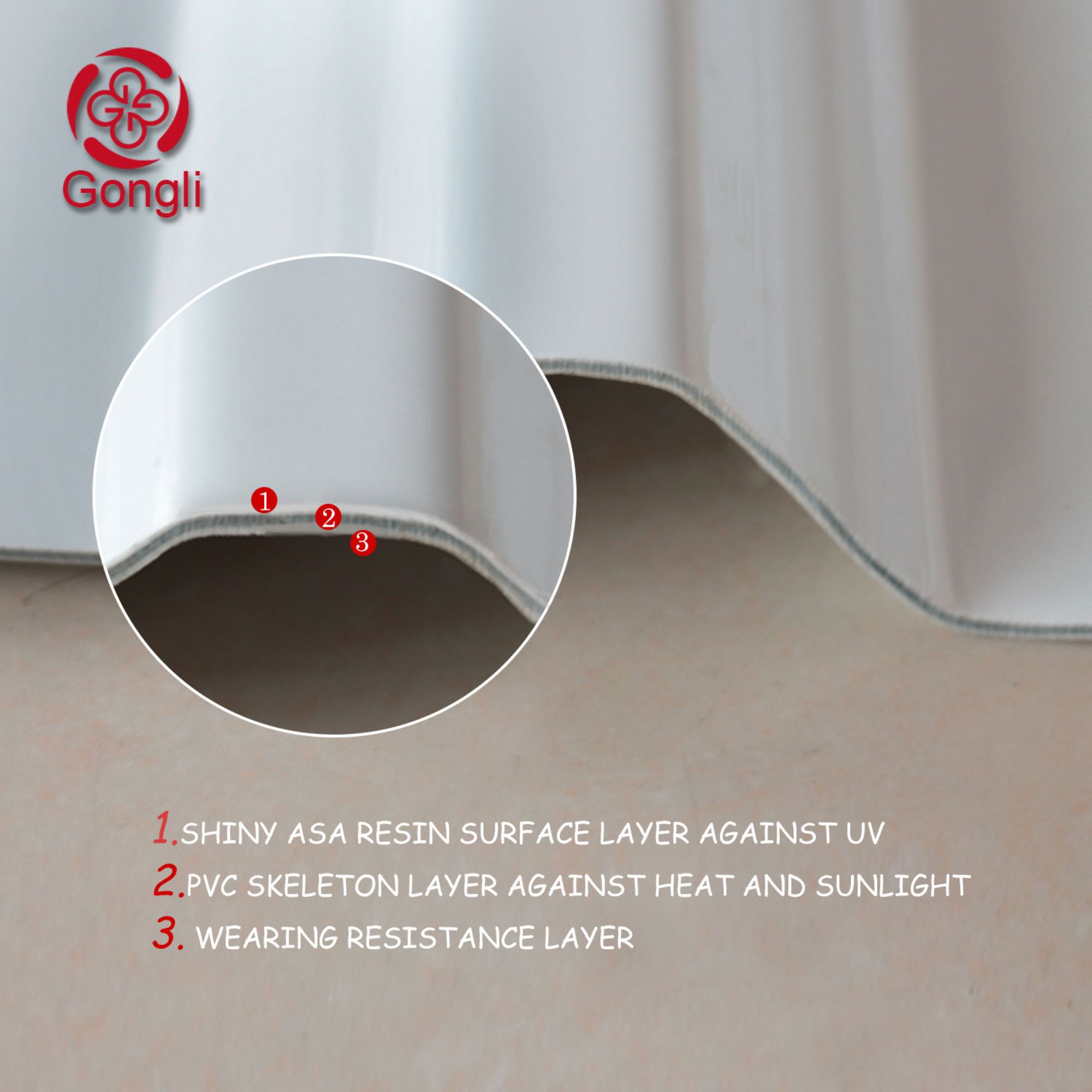
Lorsqu'elles sont utilisées en intérieur, les feuilles creuses en PVC à double paroi résistantes au feu répondent à la norme EN 13501-1 Classe B-s1,d0, ce qui signifie qu'elles présentent une faible propagation de la flamme, produisent peu de fumée lorsqu'elles sont exposées au feu et ne dégagent pas de particules enflammées. Le matériau contient des stabilisants UV qui aident à préserver la constance de la couleur et la résistance structurelle près des fenêtres, là où l'exposition au soleil pourrait poser problème. Des essais montrent que ces panneaux peuvent durer plus de 15 ans à l'intérieur des bâtiments dans des conditions normales. Contrairement aux panneaux en bois ou aux plaques en fibrociment, ce type de revêtement ne se déforme ni ne bombe lorsque le taux d'humidité augmente. Il résiste également à la moisissure et à d'autres problèmes de développement biologique fréquents dans les environnements humides. Étant donné que le matériau est chimiquement neutre, son nettoyage courant ne nécessite que des savons doux et des chiffons souples. Cela permet de conserver l'aspect esthétique des panneaux tout en préservant leurs propriétés ignifuges sans perte d'efficacité au fil du temps.
Questions fréquemment posées
Les feuilles creuses en PVC double paroi nécessitent-elles des outils spéciaux pour l'installation ?
Non, les feuilles en PVC double paroi ne nécessitent pas d'outils spéciaux pour l'installation. Les menuisiers habituels disposent généralement de l'équipement nécessaire pour couper et percer ces feuilles.
Les feuilles en PVC double paroi conviennent-elles aux zones à forte humidité ?
Oui, les feuilles en PVC double paroi sont excellentes pour les zones à forte humidité comme les salles de bains et les cuisines, car elles sont résistantes à l'humidité et ne se déforment ni ne gonflent avec le temps.
Les feuilles en PVC double paroi peuvent-elles assurer une isolation phonique ?
Les feuilles en PVC double paroi peuvent réduire la transmission du son d'environ 25 dB, ce qui les rend adaptées à l'isolation acoustique dans les espaces intérieurs.
Comment les feuilles en PVC double paroi interagissent-elles avec la lumière naturelle ?
Les feuilles en PVC double paroi possèdent une forme multicellulaire qui répartit uniformément la lumière, permettant une diffusion jusqu'à 85 % tout en bloquant 95 % des rayons UV nocifs.
Les feuilles en PVC double paroi sont-elles résistantes au feu ?
Oui, les plaques en PVC double paroi résistantes au feu répondent à la norme EN 13501-1 Classe B-s1,d0, offrant une faible propagation des flammes et une production de fumée minimale.