EN
EN
 AR
AR
 BG
BG HR
HR
 CS
CS
 DA
DA
 NL
NL
 FI
FI FR
FR
 DE
DE EL
EL
 HI
HI
 IT
IT JA
JA
 KO
KO
 NO
NO PL
PL PT
PT RO
RO
 RU
RU
 ES
ES
 TL
TL
 IW
IW
 ID
ID
 LT
LT
 VI
VI
 TH
TH
 TR
TR
 AF
AF
 MS
MS
 KM
KM
 LO
LO
 MY
MY

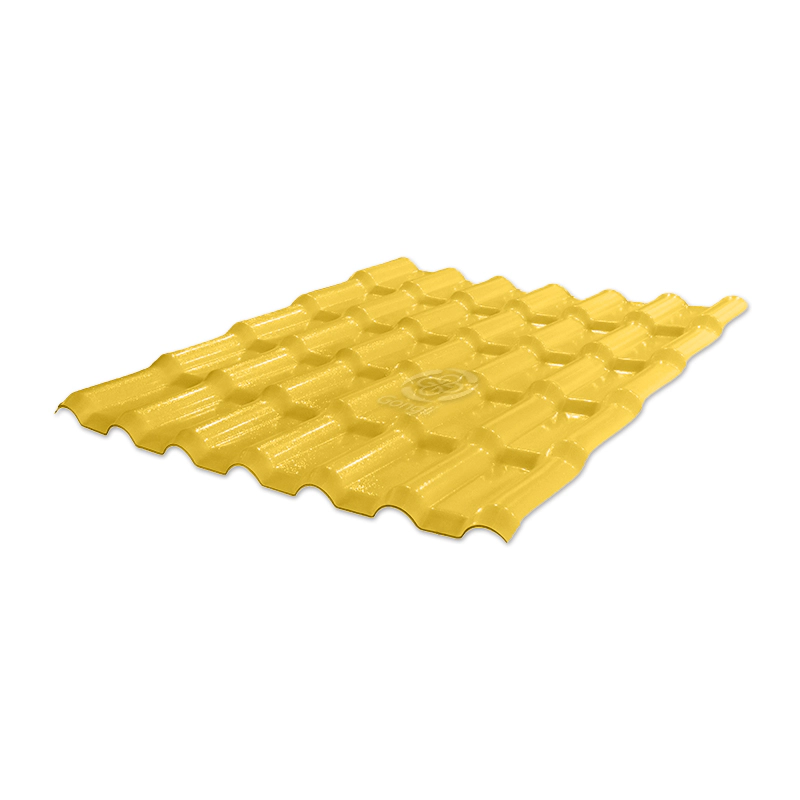
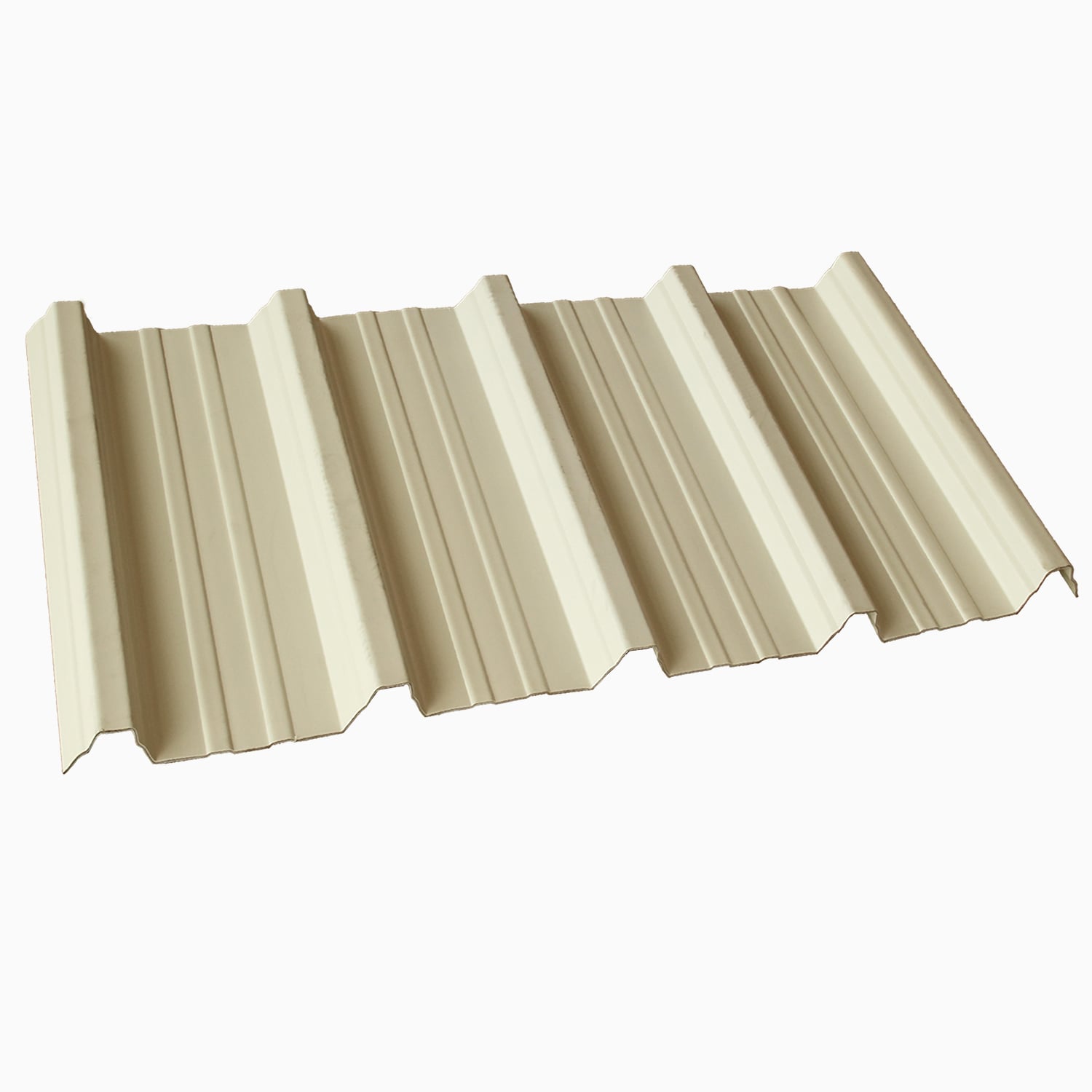
ASA-Synthetische-Harz-Dachziegel vereinen Eleganz mit außergewöhnlicher Haltbarkeit für hochwertige Dachkonstruktionen.
Materialaufbau, der optische Qualität und langfristige Witterungsbeständigkeit in Einklang bringt
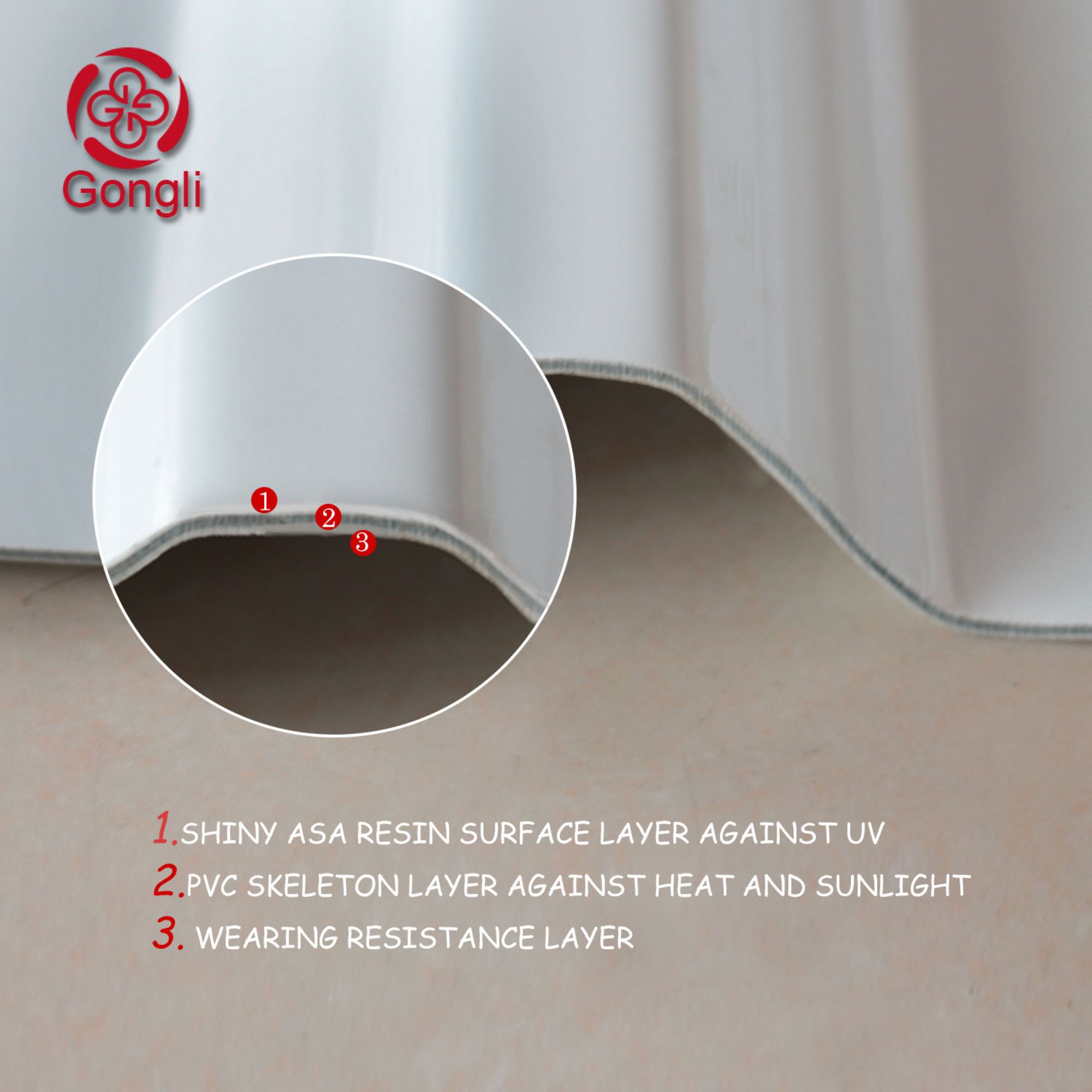
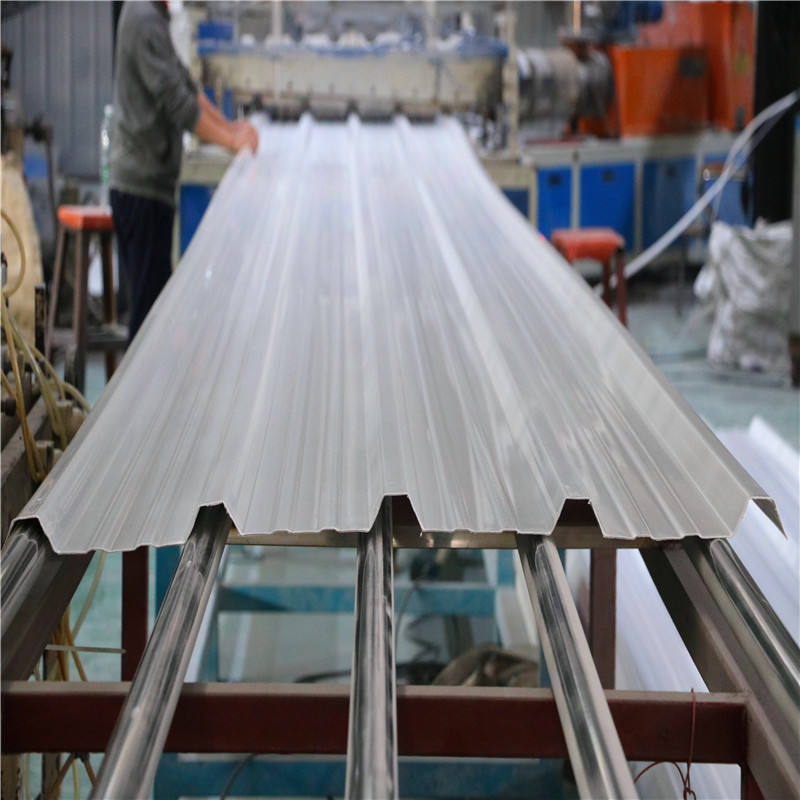
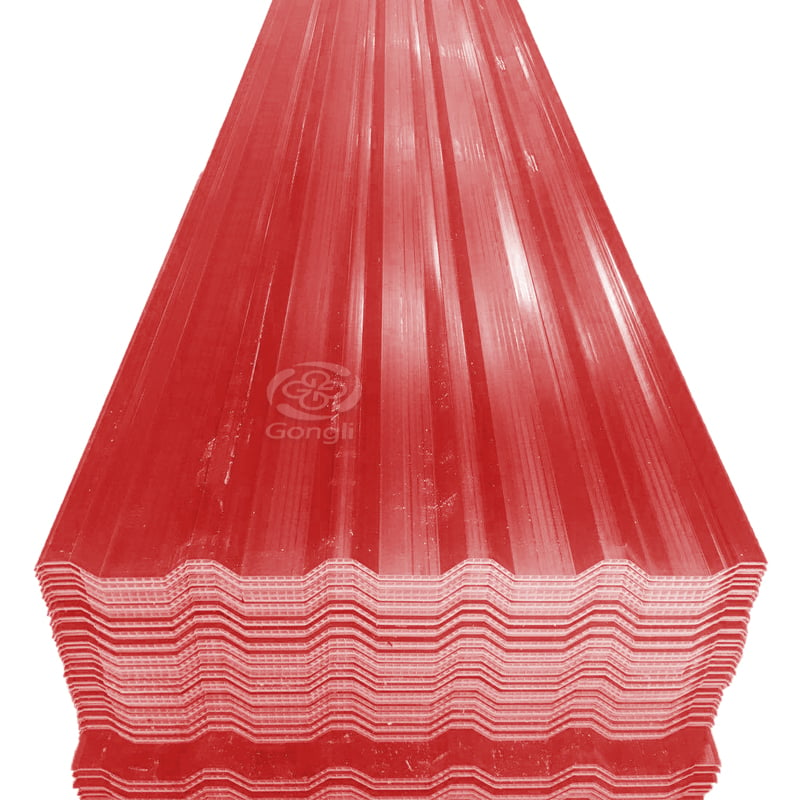
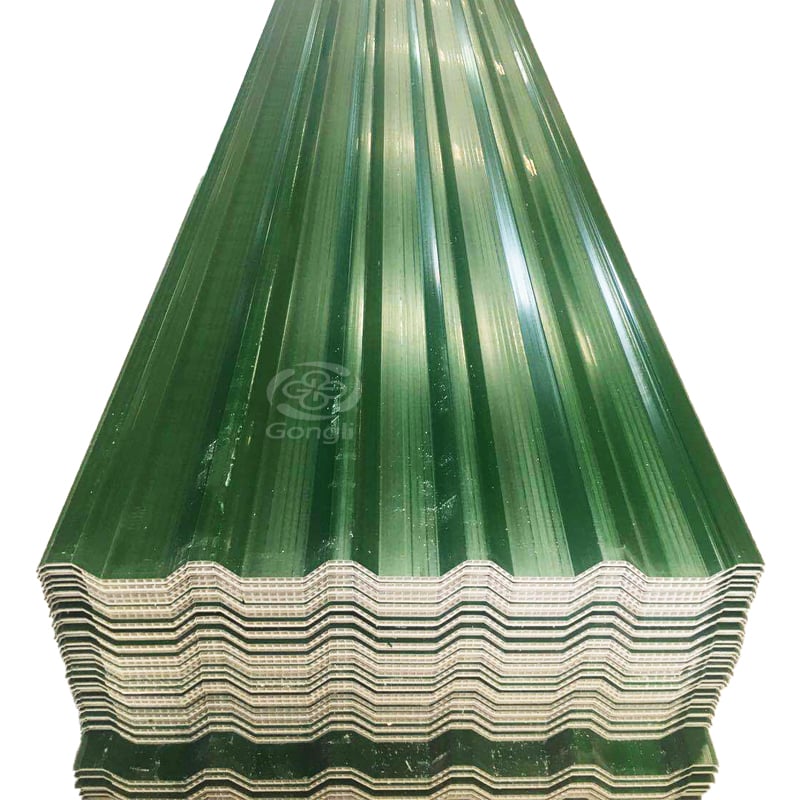
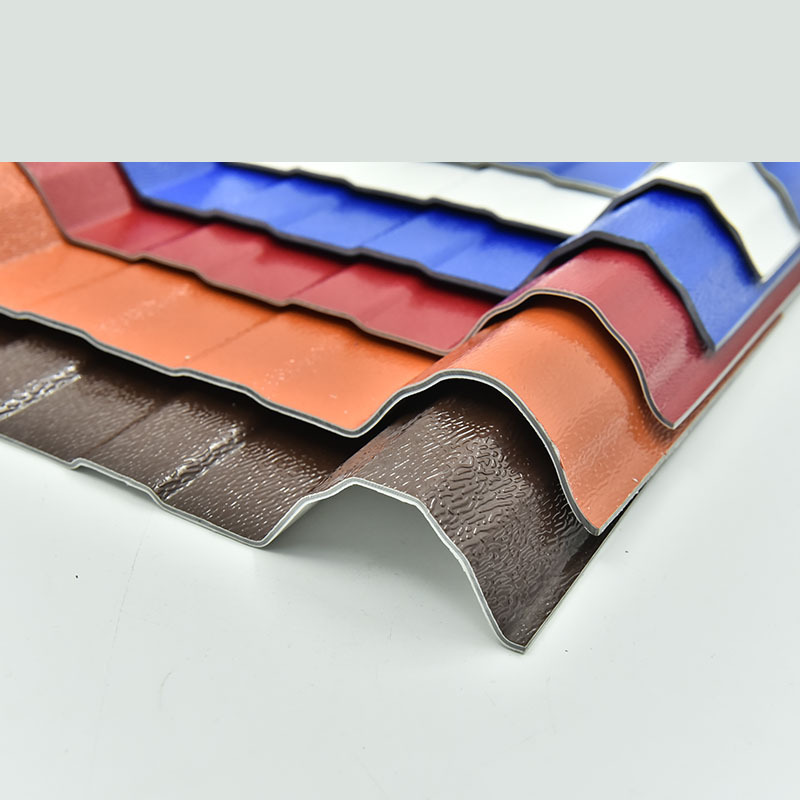
Richtig hergestellte Dachziegel aus ASA-Kunstharz nutzen eine mehrschichtige Co-Extrusionstechnologie, um dekoratives Erscheinungsbild und physikalische Leistungsfähigkeit zu vereinen. Eine dünne, aber dichte ASA-Außenschicht wirkt als primärer Schutzschild gegen ultraviolette Strahlung, sauren Regen und salzhaltige Luftkorrosion, während der modifizierte PVC-Grundstoff strukturelle Robustheit und Schlagfestigkeit bietet. Günstigere Alternativen reduzieren oft die Dicke der ASA-Schicht oder mischen recycelte Füllstoffe ein. Diese preisgünstigen Produkte mögen bei der Erstinstallation vergleichbar wirken, doch nach mehreren Jahren im Außenbereich treten häufig Oberflächenverfärbungen, Sprödigkeit und Rissbildung auf. Optischer Anspruch kann nicht unabhängig von der Materialzusammensetzung bestehen. Oberflächenfarbe, -struktur und Gesamtdauerhaftigkeit hängen sämtlich von der Auswahl der Rohstoffe und der Kontrolle des Extrusionsprozesses ab.
Beobachtungen aus einem Renovierungsprojekt in einem tropischen Landschaftsgebiet
Eine touristische Sehenswürdigkeit in Südostasien führte eine Dachsanierung an mehreren Pavillons und Villen durch. Die Projektplaner bevorzugten traditionell gestaltete geschwungene Dachformen, um die lokale kulturelle Ästhetik widerzuspiegeln. Zu den ursprünglichen Angeboten gehörten Tonziegel und beschichtete Metallplatten. Das Gewicht der Tonziegel erforderte eine starke Verstärkung der bestehenden Dachkonstruktionen; zudem zeigten Metallproben ein hohes Korrosionsrisiko unter den ganzjährig feuchten Küstenbedingungen. Die Ingenieurteams entschieden sich stattdessen für ASA-Kunstharz-Dachziegel. Das Material ließ sich schneiden und formen, um komplexen geschwungenen Dachgeometrien ohne umfangreiche statische Nachrüstungen anzupassen. Die fertiggestellten Einbauten wurden wiederholt schweren Monsunregenfällen und intensiver Sonneneinstrahlung ausgesetzt. Inspektionsberichte vor Ort vermerkten eine stabile Farbleistung ohne flächendeckende Oberflächenschäden. Dieses reale Projekt zeigt, wie polymere Dachbaustoffe Konflikte zwischen architektonischem Design und rauen Umgebungsbedingungen lösen.
Leistungsvergleich zwischen gängigen Premium-Dachmaterialien
Verschiedene Dachlösungen bieten Kompromisse hinsichtlich optischer Qualität, Gewicht, Korrosionsbeständigkeit und Komplexität der Montage vor Ort. Die Referenzdaten stammen aus veröffentlichten Prüfberichten der Baustoffindustrie. Die nachfolgende Tabelle fasst wesentliche praktische Kennwerte zusammen.
| Dachmaterial | Oberflächenästhetische Leistung | Einheitsgewicht | Korrosionsbeständigkeit | Typischer Wartungsaufwand |
|---|---|---|---|---|
| As Dachfliesen aus synthetischem Harz | Vielfältige mattierte oder klassisch simulierende Profile | Leichtgewichtig, ca. 5–7 kg/m² | Ausgezeichnete Beständigkeit gegenüber Säure- und Salznebel | Gering, lediglich periodische Oberflächenreinigung erforderlich |
| Traditionelle Ton-Dachziegel | Authentische Vintage-Struktur | Schwer, 42–55 kg/m² | Mäßig, Risiko von Frostsprengung | Regelmäßige Inspektion auf gebrochene Stücke |
| Beschichtete Metall-Dachplatten | Moderne, stromlinienförmige Optik | Mittel, 4–6 kg/m² | Anfällig, falls die Beschichtung beschädigt wird | Im Laufe der Zeit erforderliche Neu-Beschichtung |
| Zement-Dachziegel | Stabile erdfarbene Optik | Schwer: 38–48 kg/m² | Gefahr von Ausblühungen und Abplatzungen | Moos entfernen und Risse jahreszeitlich überprüfen |
Ästhetische Flexibilität für vielfältige architektonische Gestaltungsanforderungen
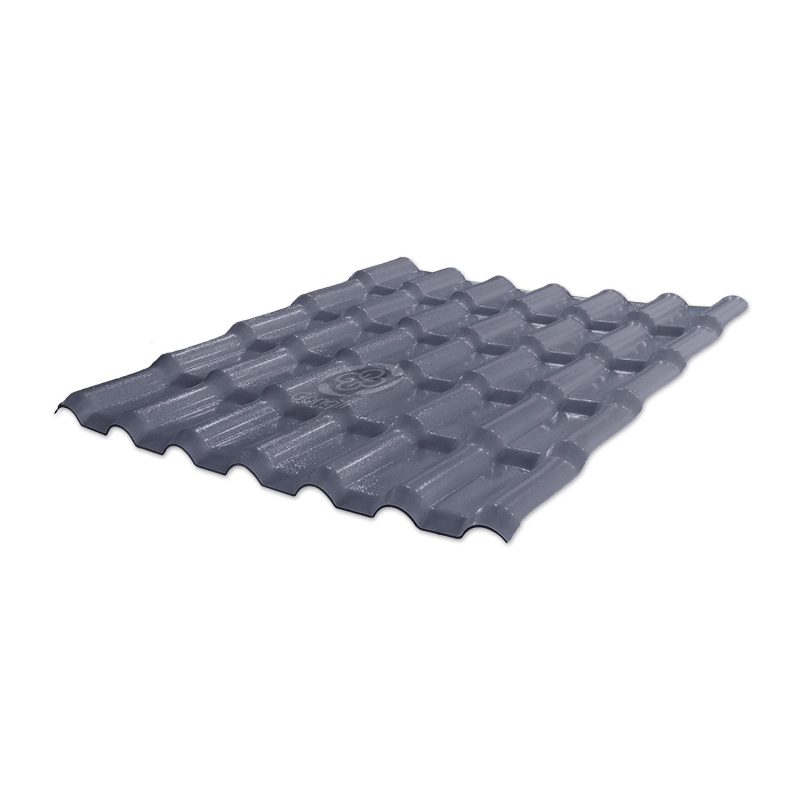
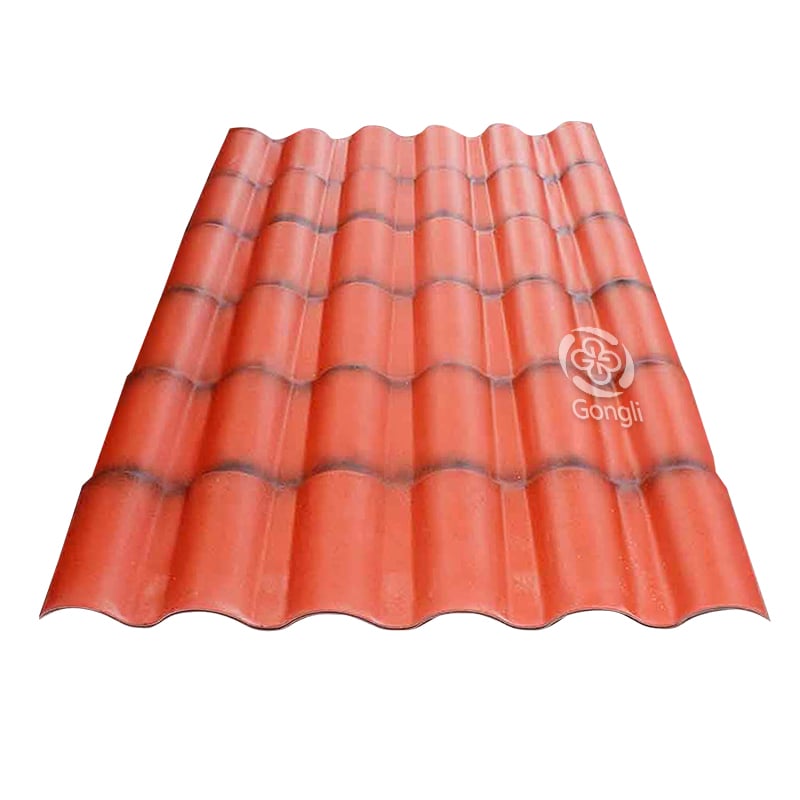
Viele Menschen ordnen Polymer-Dachdeckungen fälschlicherweise ausschließlich funktionalen Kategorien zu und ignorieren ihr architektonisches Gestaltungspotenzial. ASA-Synthetikharz-Dachziegel können die Silhouette klassischer gewölbter Antikziegel nachbilden und gleichzeitig moderne, minimalistische Dachlayouts unterstützen. Mehrere matt- und halbglänzende Farboptionen passen zu Villen, touristischen Einrichtungen und kommerziellen Sanierungsprojekten. Komplette Zubehörsysteme – darunter Firstabdeckungen, Abschlusskappen und Regenrinnenverbinder – gewährleisten visuelle Kontinuität über komplexe, mehrfach verbundene Dachkonstruktionen hinweg. Planungsteams erhalten Freiheit, stilistische Ziele zu verfolgen, ohne durch die hohen Gewichtsbeschränkungen keramischer oder zementgebundener Ziegelsysteme eingeschränkt zu sein.
Physische Einschränkungen, die eine sorgfältige Standortbewertung erfordern
Selbst hochwertige Polymer-Dachmaterialien weisen inhärente physikalische Einschränkungen auf, die sich aus den Eigenschaften der Polymere ergeben. Bei starken jahreszeitlichen Temperaturschwankungen treten deutliche Wärmeausdehnung und -schrumpfung auf. Eine unzureichend geplante Befestigungsmusterung ohne vorgesehene Bewegungsspielräume kann zu Verzug oder Lockerung der Befestigungselemente führen. Die Leistung sinkt zudem, wenn minderwertige Chargen aus recyceltem Rohmaterial verwendet werden. Es ist wichtig, produktbedingte Schwächen von Installationsfehlern zu unterscheiden. Branchentestdokumente weisen darauf hin, dass neben der Dachziegelqualität selbst auch korrekte Lattabstände, die Auswahl geeigneter Befestigungselemente sowie Überlappungsmaße maßgeblich die Langzeitzuverlässigkeit des Daches beeinflussen.
Praktische Bewertungskriterien vor der endgültigen Auswahl des Dachmaterials
Mehrstufige Bewertungsschritte reduzieren vermeidbare Risiken bei Dachprojekten unterschiedlicher Größenordnung.
- Überprüfen Sie lokale Klimafaktoren wie UV-Intensität, Niederschlagsmuster und Salznebelfeinfluss in Küstenregionen.
- Vollständige statische Berechnung der Tragstruktur, um zu bestätigen, dass die Dachkonstruktion das Gewicht der ausgewählten Dachziegel tragen kann.
- Vor der Bestellung größerer Mengen muss die Verfügbarkeit passender Zubehörteile für Firste, Täler und Kantenabschlüsse überprüft werden.
- Vergleich unabhängiger Prüfberichte mit Fokus auf Witterungsbeständigkeit, Schlagfestigkeit und Entflammbarkeitskennwerte.
Eine ausgewogene Bewertung berücksichtigt architektonisches Design, Materialdauerhaftigkeit und vor Ort herrschende Bauverhältnisse gleichermaßen. Gongli stützt sich auf langjährige Erfahrung als Mitwirkender an den nationalen Industriestandards für Dachbaustoffe. Das Produktionssystem setzt ausschließlich neu importierte Rohstoffe ein; mehrere halbautomatische Produktionslinien gewährleisten eine konsistente Komponentenqualität für globale Bauprojektpartner.